From Maurice Okafor,
A socio-cultural organisation in Enugu State, the Nkpokote Nsukka Development Forum (NNDF), has urged stakeholders to adopt a unified and non-partisan strategy toward the development of Enugu North Senatorial District, popularly known as the Nsukka Cultural Zone, noting that the area possesses both the intellectual strength and financial capacity to drive its growth without relying solely on government.
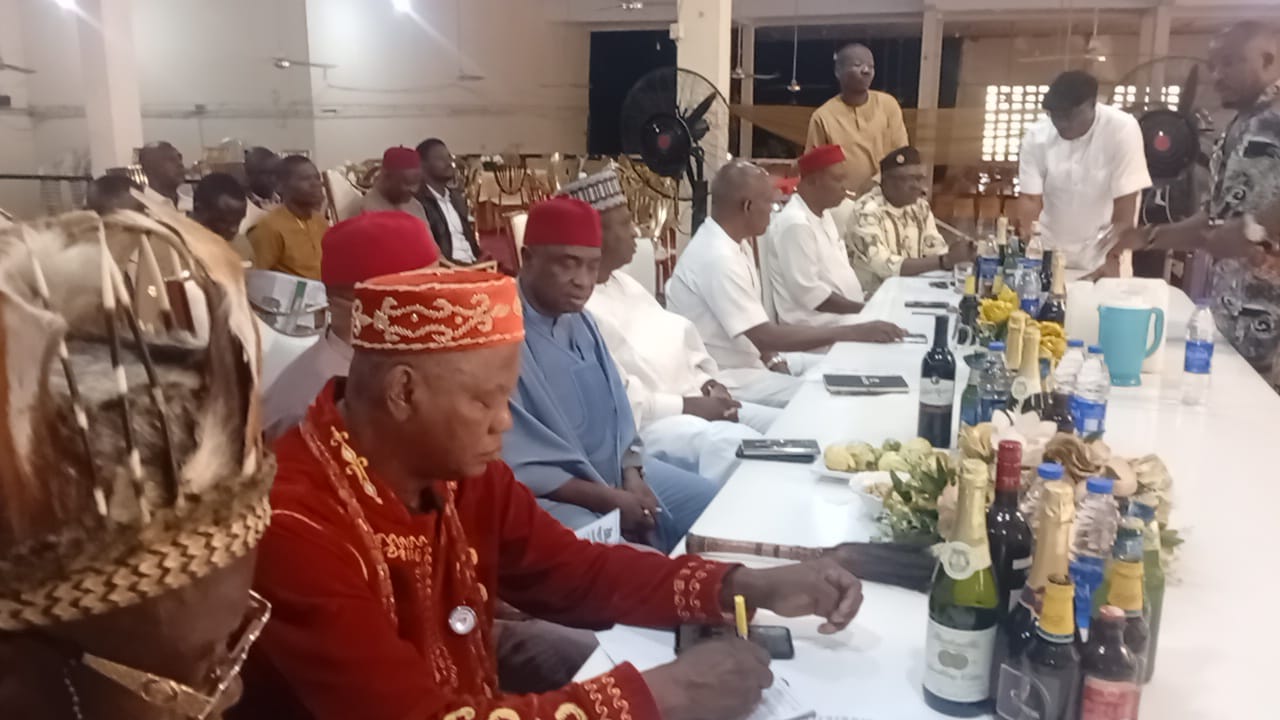
The appeal was made during a colloquium organised by the group at the University of Nigeria, Nsukka (UNN) on January 4, 2026, with the theme, “Nsukka Rising: Honouring Our Best, Building Our Future.”
In a press statement jointly signed by NNDF President, Barr. Barth I. Ugwuoke; Secretary General, Engr. Chukwuemeka Agbo; and Chairman of the Central Planning Committee, Dr. Felix I. Ugwu, and made available to journalists in Enugu yesterday, the forum declared that Nsukka must take responsibility for its own development.
Part of the statement reads, “With unity of purpose, disciplined organization, and institutional continuity, Nsukka is poised to move from silent greatness to strategic leadership within Enugu State and Nigeria at large”.
The Nkpokote Nsukka Development Forum (NNDF) said it would champion a new phase of coordinated, institutionalised, and non-partisan development across the Nsukka Cultural Zone.
The colloquium, attended by sons and daughters of the Nsukka zone within and outside the country, including members of the diaspora, noted that although the region has produced outstanding scholars, military officers, entrepreneurs, professionals, and public servants, it has yet to translate this human capital into structured political influence, economic strength, and sustainable development.
The statement reads further, “Nsukka’s greatest challenge is not lack of talent or resources, but the absence of coordination, institutions, and strategic unity.
“Nsukka is already rising through growing cultural confidence, educational dominance, entrepreneurial success, and youth engagement, but this rise must now be organized, disciplined, and anchored on long-term collective strategy.
“NNDF therefore is committed as a non-partisan platform for consensus building, collective bargaining, and regional development that is insulated from electoral cycles and partisan conflicts”.
On the economic front, participants at the colloquium adopted a transformation agenda designed to shift Nsukka from a subsistence-driven economy to one powered by production and investment. The plan includes agricultural value-chain development, agro-processing, cooperative investment schemes such as the Nsukka Investment Club, mobilisation of diaspora capital, and the creation of local industrial clusters to integrate the region’s land, people, and global networks into a single economic system.
On security, NNDF described safety as the bedrock of prosperity and pledged to deploy the expertise of retired security personnel, youth-driven vigilance groups, and community-based intelligence systems to tackle rising threats.
The statement reads further, “The Forum is committed to supporting community-based intelligence systems, youth-driven vigilance networks, and the integration of retired security professionals to create a secured economic corridor across the Nsukka zone and its border communities”.
The colloquium also resolved to bridge the longstanding gap between the University of Nigeria and host communities by strengthening town-and-gown partnerships through mentorship channels, research-to-policy platforms, and skills-to-enterprise initiatives. According to NNDF, these steps will ensure that academic knowledge and innovation translate directly into local development and youth empowerment.
The forum described the youth of Nsukka as current stakeholders rather than future participants, pledging to create structured programmes for mentorship, entrepreneurship, civic education, ethical leadership, and participation in community security.
Participants also reaffirmed the importance of culture, values, and identity in sustainable development.
“The Forum is committed to cultural revival, indigenous language and history, ethical leadership, and inter-generational mentorship, declaring that Nsukka’s heritage is not a relic of the past but a strategic asset for the future.
The honourees at the colloquium were urged to see themselves not merely as award recipients but as partners in attracting development projects to the Nsukka Cultural Zone. They were encouraged to mentor younger generations, invest in their communities, influence policy, and support NNDF’s institutional framework for regional transformation.