…Urges equity, collaboration
By Cyriacus Nnaji

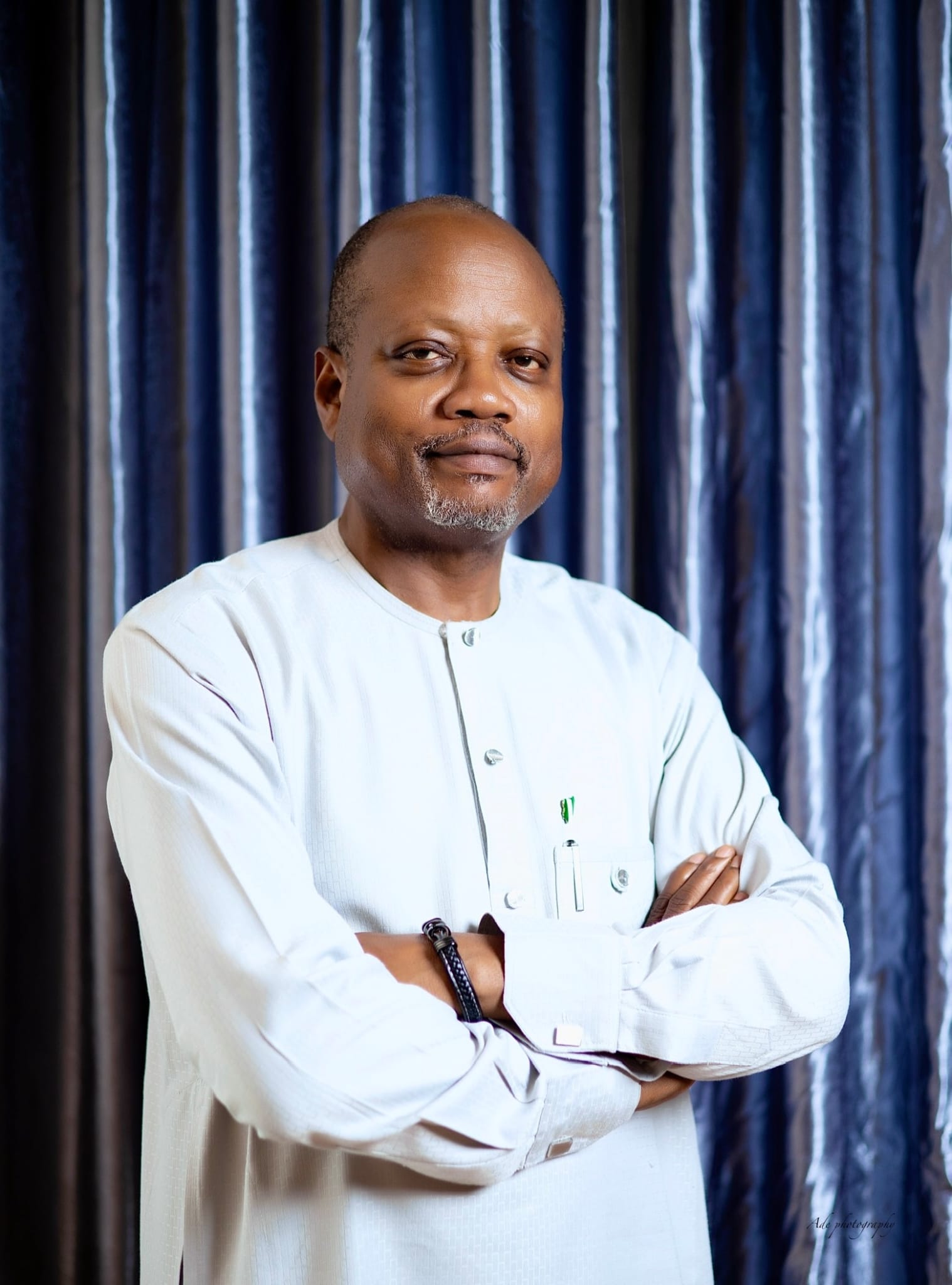
Pastor Peters Omoragbon, the Executive President of Nurses Across the Borders and Director for International Liaison of the Nigerian Nurses Charitable Association UK, has called for the review of the recent press release from the Nigerians in Diaspora Commission (NiDCOM) regarding the planning of the Diaspora Health Impact Initiative 2026 (DHII 2026).
Omoragbon who is also the President of the Diaspora Nurses Association of Nigeria (DNAN), and Chairman of the Health Committee of the Nigerians in Diaspora Organisation Europe, in a release on Thursday, February 19, 2026, while acknowledging the contribution of NiDCOM and the Federal Ministry of Health, for the DHII 2026 under the theme, “Harnessing Global Diaspora Medical Expertise to Strengthen Local Health Systems for National Development,” which he said is both timely and laudable, averred however that the engagement framework is regrettably, exclusionary and fails to reflect the holistic, multi-disciplinary nature of effective healthcare delivery.
Omoragbon who is also the General Secretary of the Nigerians in Diaspora Organisation UK Chapter, said, “We acknowledge and commend the Federal Government of Nigeria, through NiDCOM and the Federal Ministry of Health, for the vision behind DHII 2026. The substantial financial remittances from the Diaspora, exceeding $20 billion annually, are well-documented, but the intellectual and professional capital—the knowledge transfer and specialist skills—is an even more invaluable asset for our nation’s development.
“However, it is with a deep sense of concern and a call for constructive recalibration that we must address a significant oversight in the planning and announcement of this initiative. The press statement, as released, presents an engagement framework that is, regrettably, exclusionary and fails to reflect the holistic, multi-disciplinary nature of effective healthcare delivery,” Omoragbon disclosed.
He called for equal recognition for all Healthcare professionals saying that Healthcare is not the purview of a single profession; “It is a symphony of specialised skills working in concert. You cannot build a resilient health system by engaging only a section of the orchestra. The success of any medical intervention, from a routine consultation to a complex surgical procedure, hinges on the seamless collaboration of physicians, nurses, midwives, pharmacists, and a host of allied health professionals. A surgeon’s expertise is rendered ineffectual without the expertise of the professional nurse in the operating theatre, the vigilant midwife in the maternity ward, or the pharmacist ensuring the integrity of the medication supply chain. This is not merely a matter of professional courtesy; it is an empirical reality of modern healthcare delivery. One professional group cannot deliver holistic healthcare in the absence of the others. That is why in civilised clime-the healthcare sector is referred to as a Multi-Disciplinary Team (MDT), and which is why the systems here are working here in the Diaspora whereas, the reverse is the case in Nigeria where a professional group lord it over others.” That mentality must discouraged even by agency of government including NiDCOM.
He stated that it is disheartening that in the conceptualisation and rollout of DHII 2026, NiDCOM and the Federal Ministry of Health have seemingly accorded undue recognition to one professional body while failing to engage with the full spectrum of healthcare professionals, both in Nigeria and the Diaspora, adding that the absence of structured, early engagement with bodies representing the thousands of Diaspora nurses and allied professionals—such as the Nigerian Nurses Association of North America, (NANNNA), the Nigerian Nurses Charitable Association UK, (NNCA UK) and the Diaspora Nurses Association of Nigeria (DNAN)—represents a missed opportunity and undermines the very principle of inclusive partnership that the National Diaspora Policy espouses. “It is more ironic when there have been empirical evidence of such multi-sectoral engagements by the Federal Ministry of Health, the NIDCOM in the past under the Diaspora Professionals Health Initiative (DPHI) involving the current key players in previous regimes. What has changed? Governance is a continuum,” he said.
He spoke on what he called Empirical Evidence of Diaspora Contributions: A Collective Effort, “Our concern is not born of a desire for recognition alone, but from a wealth of experience demonstrating that the most impactful interventions are collaborative. We draw your attention to our successful medical outreaches in previous years, by the above named nursing associations including the work of Nurses Across the Borders International with the Nigerians in Diaspora Organisation Europe in 2024 and 2025, where NiDCOM was represented at the highest level including the Federal Ministry of Health and Social Welfare. These missions were no single-professional endeavours. They were comprehensive, multi-disciplinary efforts that brought together doctors, nurses, and other specialists to deliver holistic care. These missions succeeded precisely because they integrated the full care continuum, ensuring that diagnosis was coupled with skilled nursing care, patient education, and follow-up protocols.
These real-world outcomes provide the empirical evidence that sustainable health systems strengthening requires the equal participation of all professionals. By focusing the assignment of “operational delivery” exclusively to medical associations led primarily by physicians, the current framework inadvertently marginalises the critical leadership and clinical roles of nurses and allied professionals who are equally committed to the Homeland’s development.”
Omoragbon therefore called for immediate withdrawal and restructuring of the DHII 2026 as it presently is. “Consequently, we respectfully but firmly call for the withdrawal of the press statement in its current form, as it does not reflect the principles of inclusivity and collective bargaining that are fundamental to the success of a national initiative of this scale.
“We urge NiDCOM and the Federal Ministry of Health to demonstrate a renewed commitment to equitable engagement by, Constituting an Inclusive Planning Committee that will: Immediately expand the planning and implementation framework for DHII 2026 to include representatives from all major healthcare professional groups, including Diaspora nursing associations, pharmacy associations, and other allied health bodies from Nigeria, the UK, North America, and beyond.
“Restructuring the Operational Framework: Redefine the “operational delivery” teams to be genuinely multi-disciplinary, reflecting the collaborative reality of healthcare delivery and ensuring that the skills of all professionals are harnessed and valued and Ensuring Future Collaboration: Commit to a standing protocol that all future health engagements with the Diaspora are designed and executed in true partnership with the full range of professional bodies, both at home and abroad.
“We stand ready to lend our extensive networks, expertise, and human resources to make DHII 2026 a resounding success. However, true success will be measured not just by the number of procedures performed, but by the strength of the partnerships built and the inclusivity of the process. We look forward to a future where every healthcare professional from the Diaspora is seen, heard, and engaged as an equal partner in building the resilient and equitable healthcare system that Nigeria deserves,” the statement concluded.