By Adagher Tersoo
With the 2027 governorship election in Adamawa State just a year away, political conversations across the state have shifted from speculation to serious analysis of candidates’ visions for progress.
Citizens are asking not just who will win, but who can transform Adamawa from a state of untapped potential into a thriving hub of opportunity, security, and prosperity. The stakes are high.
With a predominantly young population, abundant natural resources, and a largely agrarian economy, Adamawa has all the ingredients for growth. Yet, structural challenges, ranging from insecurity and unemployment to gaps in healthcare and education have kept the state from realising its full potential.
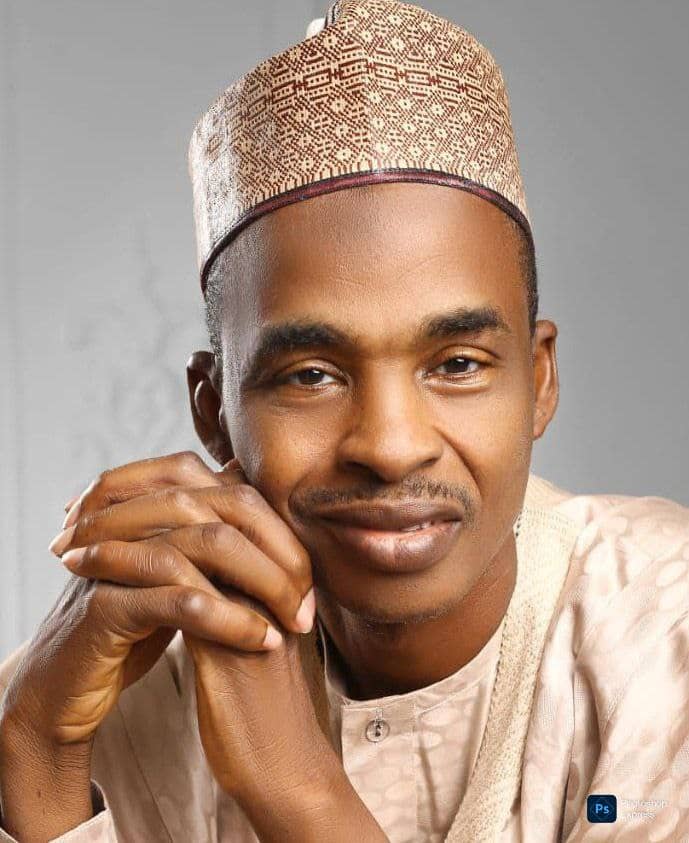
Amid this backdrop, Dr. Salihu Bakari Girei has emerged as a reform focused contender with a comprehensive plan to reinvigorate the state.
His career in public service spans decades, encompassing both state and federal roles where he has demonstrated tangible results.
He has served as Executive Chairman of the Adamawa State Universal Basic Education Board (ADSUBEB), Commissioner for Local Government Affairs and Higher Education, and currently as Director of Research and Development/Centres of Excellence at the Tertiary Education Trust Fund (TETFund).
Across these roles, Dr. Bakari has earned a reputation as a leader who combines technical expertise with a commitment to delivery.
At the core of Dr. Bakari’s vision is the Adamawa Transformation Mission, a structured 10-point blueprint that targets immediate needs while laying the groundwork for sustainable development.
The pillars of this agenda cover education, health, agriculture, rural development, youth empowerment, peace and security, civil service reform, sports, value addition on solid minerals, and strengthening traditional institutions.
The strategy show both urgency and continuity. Short-term initiatives focus on rapid, visible improvements such as infrastructure upgrades, employment programs, and enhanced healthcare delivery while long-term reforms aim to reposition Adamawa as a competitive, knowledge-driven, and economically diversified state by 2031.
For Dr. Bakari, transformation is not about temporary fixes but building resilient systems that will sustain progress for generations.
“Our dedicated civil servants deserve a decent and enviable livelihood, both during and after their retirement from service. Based on this summation, the call to service for me, if elected as Governor of Adamawa State, will be to pursue a 10-Point agenda of consolidating past achievements, anchored in fine-tuning my programmes, to align with global technological advancement and high impact on the citizens. I am certain that a responsible and responsive government can change the narrative and ensure prosperity,” Dr Bakari stated.
Education sits at the heart of Dr. Bakari’s agenda, showing both his professional background and personal commitment to human capital development. His plan prioritises investments across all levels of education, from primary schools to tertiary institutions.
Infrastructure expansion, teacher training, and improved learning outcomes are also central to ensuring that no child is left behind. He promised to direct special attention toward integrating Almajiri children into formal education, a move aimed at addressing systemic exclusion and promoting social cohesion.
Dr. Bakari’s record speaks for itself. During his tenure at SUBEB, he renovated more than 5,000 classrooms, established special primary schools, and provided motorcycles to rural headteachers to improve supervision.
He stated; “As the then Executive Chairman of Adamawa SUBEB, I built and renovated over 5,000 classrooms in primary schools throughout the State that were hitherto in deplorable condition, and established special primary schools.
“For more than a decade since leaving office, little has been achieved in this sector, therefore, there is a need for significant, yet focused investments to restore the schools to their former standards.
“As Governor, I will undertake the rehabilitation of schools that are in disrepair. I will furnish, equip and establish new schools that meet international standards. I have observed that the standard of primary education has embarrassingly deteriorated due to the low quality and morale of teachers.”
He also championed teacher motivation programmes and special allowances for educators in underserved communities. At the tertiary level, his plans include revitalising Adamawa State Polytechnic and the State University, expanding faculties in engineering, medicine, and law, and ensuring students have reliable utilities and 24-hour internet access.
The overarching goal is to equip Adamawa’s youth with skills and knowledge aligned with modern economic demands.
Agriculture, employing over 70% of Adamawa’s population, remains underdeveloped despite the state’s rich arable lands. Dr. Bakari, himself a practicing farmer, plans to modernise the sector by providing inputs, mechanisation support, and irrigation systems.
His vision positions Adamawa as the agricultural hub of Northern Nigeria. Beyond cultivation, the agenda emphasises agro-allied industries to process raw produce locally, generate wealth, and create jobs.
Adamawa’s mineral wealth also features prominently in the economic revival plan. Gold, diamond, uranium, and other solid minerals will be industrially processed to boost employment and attract private investment.
By aligning mineral exploitation with local development needs, Dr. Bakari aims to create a diversified economy where agriculture, industry, and technology coexist as engines of growth.
Rural communities, often left behind in development planning, are central to Dr. Bakari’s agenda. Infrastructure improvements, electricity, potable water, modern roads, and community facilitiesare designed to curb urban migration and create equitable opportunities across the state.
Healthcare reforms are equally ambitious. Maternity clinics will be established in every ward, hospitals will be rehabilitated and equipped, and vulnerable groups including children under five, pregnant women, and the elderly will have access to free care. Primary Health Care Centres will be revitalised, while plans for a state teaching hospital aim to support a future College of Medicine at the State University.
These initiatives are intended not only to save lives but also to improve productivity and strengthen the human capital base.
With over 60% of the population under the age of 35, youth empowerment is a critical pillar of Dr. Bakari’s mission. The Adamawa Youth Enterprise Fund (AYEF) will provide grants and low-interest loans to support startups. Vocational and skills centres will focus on ICT, renewable energy, agribusiness, and the creative industries. By creating pathways for youth engagement and entrepreneurship, Dr. Bakari intends to reduce crime, foster innovation, and nurture a generation of self-reliant citizens.
Dr. Bakari also plans to support security agencies with infrastructure, technology, and logistics while strengthening community policing and intelligence networks. By improving coordination between state security structures and local communities, he aims to create a safer, more resilient society where citizens can work, learn, and thrive without fear.
His agenda extends to modernising the civil service into a merit-based, technologically driven workforce. Reforms include prompt payment of salaries, performance-based promotions, and adoption of digital governance to reduce corruption. Retirees will benefit from welfare funds, healthcare access, and recognition programs.
A motivated civil service, he said, is central to delivering sustainable development and ensuring that policies translate into measurable outcomes for citizens.
Recognising the cultural importance of traditional leaders, Dr. Bakari plans to renovate palaces and integrate traditional institutions into governance and development efforts. Similarly, sports will be leveraged as a tool for youth development, with new stadia in Mubi, Michika, and Ganye, alongside revitalised school competitions. These initiatives aim to foster social cohesion, promote talent, and harness sports as a platform for national and regional recognition.
Dr. Bakari’s candidacy has attracted endorsements from former education secretaries, commissioners, women leaders, and indigenous groups, signalling support across political, ethnic, and professional divides.
His ability to unify stakeholders and present a coherent vision resonates with citizens seeking substantive change rather than political rhetoric. This cross-cutting appeal enhances his credibility as a candidate capable of steering Adamawa toward sustained growth and prosperity.
The 2027 governorship election represents a defining moment for Adamawa State. Dr. Bakari’s Adamawa Transformation Mission offers a holistic blueprint that addresses urgent challenges while laying the foundation for long-term socio-economic development.
Adamawa stands at a crossroads and the choice before voters is clear, maintain the status quo or embrace a leader with the vision, experience, and determination to deliver tangible results.
For many citizens, Dr. Bakari is not just a candidate, he embodies hope, transformation, and the promise of a prosperous future. With his 10-point agenda, Adamawa’s path to revival, growth, and social equity is mapped, offering a compelling vision for the next generation.
As the countdown to 2027 continues, stakeholders and citizens alike are watching closely, hopeful that Adamawa will finally realise its potential under leadership that combines experience, integrity, and bold, actionable plans.
Dr. Bakari’s campaign is a call to action and a blueprint for progress that blends immediate relief with structural reforms and sustainable growth.
Adagher Tersoo. A Communication and Public Relations Expert writes from Abuja.