By Mercy Aikoye
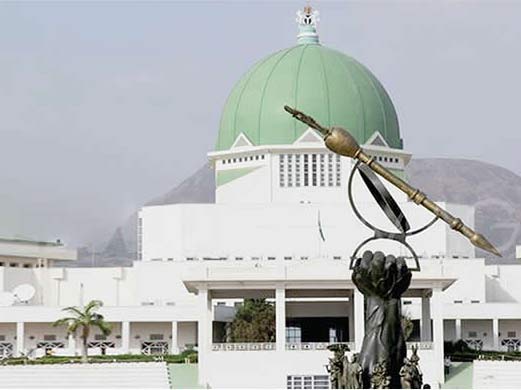
The National Assembly has initiated efforts to reform Nigeria’s planning and budgeting framework as part of a broader strategy to position the country toward achieving a $1 trillion economy.
The move will be driven through a high-level national policy dialogue scheduled to bring together key stakeholders from government, the private sector, and policy institutions.
The two-day event is slated for April 14 and 15, 2026, at the Bola Ahmed Tinubu International Conference Centre in Abuja.
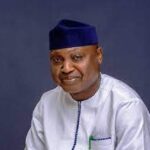
Chairman of the House Committee on National Planning and Economic Development, Gboyega Isiaka, said the dialogue aims to address persistent disconnects between national development plans and budget implementation.
According to him, the gap has long hindered sustainable economic growth in the country.
Isiaka noted that Nigeria’s current economic growth rate of 3.54 per cent remains inadequate to meet its long-term development goals.
“We cannot continue on a business-as-usual trajectory. Growth must be accelerated and deliberately aligned with a structured and implementable national plan,” he said.
Reflecting on past development efforts, Isiaka stressed that planning alone is insufficient without effective execution, consistency, and adaptability.
“This dialogue is about getting it right going forward,” he added.
Deputy Chairman of the House Committee on Budget and National Planning, Hon. Clement Jimbo, underscored the importance of strategic planning in national development.
“If you fail to plan, you are invariably planning to fail,” he said, calling for a more responsive and coordinated budgeting system.
Jimbo disclosed that the dialogue will examine alternative approaches, including performance-based budgeting, to improve efficiency and accountability.
“What we need is a system that reflects our realities while enhancing transparency and results,” he said.