By Myke Uzendu
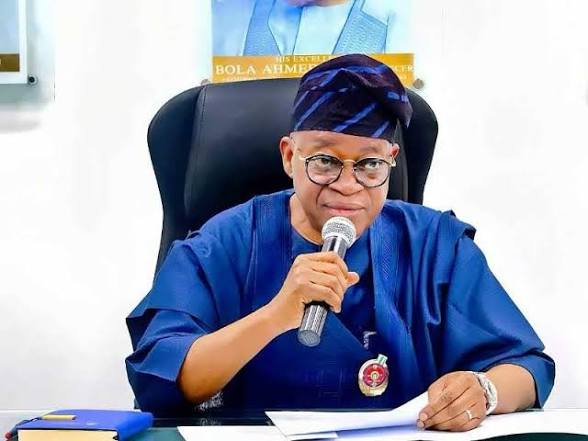
The Minister of Marine and Blue Economy, Dr Adegboyega Oyetola, has said Nigeria’s maritime sector has undergone significant transformation in the three years since the Federal Ministry of Marine and Blue Economy was established by President Bola Ahmed Tinubu.
Oyetola, while presenting the ministry’s three-year scorecard, said revenues generated by agencies under the ministry rose to N1.83 trillion in 2025, representing a 160 per cent increase from the N700.79 billion recorded in 2023.
He attributed the revenue growth to regulatory reforms, improved revenue assurance, digitisation and efforts to close financial leakages.
The minister said the transformation agenda was designed to harness Nigeria’s 853-kilometre coastline and extensive inland waterways as engines of revenue generation, trade, maritime security, employment and sustainable economic development.
“At the heart of our mandate is a simple but powerful objectffive: to turn Nigeria’s vast marine resources into sustainable economic value for Nigerians,” he said.
Oyetola identified the approval of Nigeria’s first National Policy on Marine and Blue Economy in May 2025 as one of the major achievements of the ministry.
He said the policy had provided a unified framework for shipping, fisheries, offshore energy, marine biotechnology and other emerging sectors, replacing what he described as a fragmented approach to managing the country’s marine resources.
“This policy gives us a clear roadmap. It provides the predictability and transparency investors need while ensuring that our marine resources are developed sustainably,” he said.
The minister said the government had embarked on a comprehensive modernisation programme covering the Apapa, Tin Can Island, Onne, Rivers, Calabar and Warri ports.
The programme, according to him, includes channel improvements, modern cargo-handling facilities and increased digitisation of terminal operations to improve efficiency and enable Nigerian ports handle larger volumes of international trade.