…Claims party will win presidency without Kano
By Myke Uzendu, Abuja
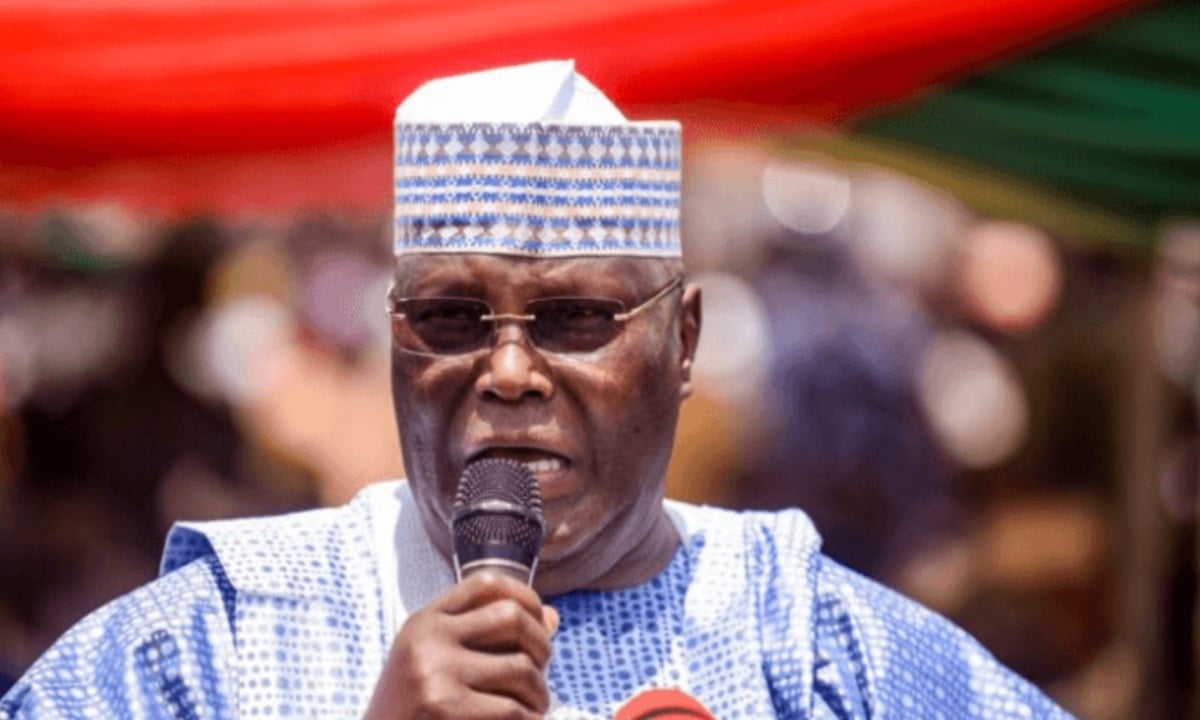
The African Democratic Congress Presidential Campaign Council (ADC-PCC) has accused Senator Rabiu Musa Kwankwaso of undermining opposition unity following his call for former Vice President Atiku Abubakar to step down for Peter Obi ahead of the 2027 presidential election.
The council alleged that Kwankwaso’s position could serve the political interests of President Bola Tinubu and the ruling All Progressives Congress (APC), rather than strengthen the opposition’s efforts to challenge the incumbent administration.
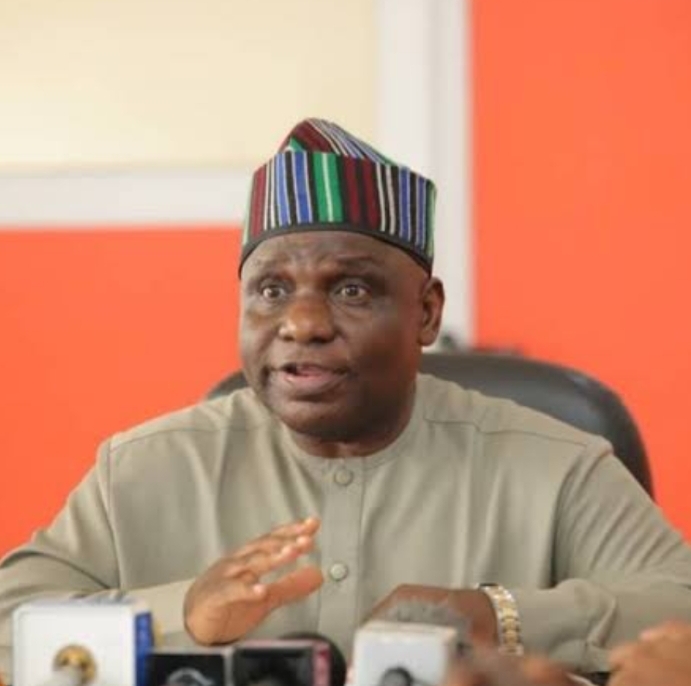
The Director of Media and Publicity of the ADC-PCC, Kola Ologbondiyan, made the allegation while reacting to Kwankwaso’s interview on Channels Television.
Ologbondiyan faulted the former Kano State governor for focusing on opposition leaders instead of criticising the Tinubu administration, which he said Nigerians were eager to vote out because of the economic hardship, hunger, poverty and insecurity in the country.
He also expressed confidence in Atiku’s ability to secure support in Kano State, Kwankwaso’s political stronghold, with or without the former governor’s backing.
“Rather than campaigning against President Tinubu, whose administration Nigerians are eagerly working to vote out, Kwankwaso is fixated on Atiku Abubakar, the ADC candidate, whom millions of Nigerians believe can restore economic stability and make life affordable again,” Ologbondiyan said.
Questioning Kwankwaso’s motives, the ADC-PCC spokesman said the former governor’s intervention raised concerns about his political calculations ahead of the 2027 election and his longer-term ambitions.
“Why is Kwankwaso so obsessed with Atiku? The answer may lie in his own political calculations.
“Having reportedly described the office of the Vice President as a ‘spare tyre’, he appears more concerned about positioning himself for the 2031 presidential election rather than addressing the urgent challenges confronting Nigerians today,” he said.
The campaign council further alleged that Kwankwaso’s position appeared more beneficial to the ruling party than to the opposition, arguing that opposition leaders should concentrate on building a united front against the incumbent government.
Ologbondiyan cited the 2003 and 2007 presidential elections, arguing that former President Muhammadu Buhari secured victories in Kano despite not having Kwankwaso’s support at the time.
He maintained that the former governor’s political influence should not be regarded as indispensable to any candidate seeking votes in the state.
“What Kwankwaso is doing amounts to advancing President Tinubu’s interests. It is a familiar APC strategy to use willing collaborators within the opposition to create confusion, sow division and weaken the collective efforts to bring about political change,” he said.
The ADC-PCC spokesman also questioned Kwankwaso’s political trajectory, citing his movement across different political platforms as what he described as repeated political repositioning.
“From the PDP to the APC, back to the PDP, then to the NNPP, the ADC, and now the NDC, Kwankwaso’s political journey calls for serious reflection. His latest interventions appear to be taking him back into the political shadows of the APC,” Ologbondiyan said.
He contrasted Atiku’s political relationships across the country with Kwankwaso’s support base, arguing that the former vice president had developed networks across Nigeria’s six geopolitical zones over more than three decades.
“Atiku Abubakar is a cosmopolitan, detribalised and nationally recognised political figure who has built relationships across the North, South, East and West over more than three decades.
“Kwankwaso, on the other hand, has concentrated much of his political strength within Kano State. His ability to translate that regional influence into broad national electoral success remains a major question,” he said.
Ologbondiyan also referenced Kwankwaso’s fourth-place finish in the 2023 presidential election, questioning whether his political influence had translated into sufficient nationwide support.
“If his political relevance were as extensive as he suggests, why did he finish fourth in the last presidential election?” he queried.
The ADC-PCC further alleged that Kwankwaso’s call for Obi to emerge as the opposition’s preferred candidate could be linked to his personal political ambitions ahead of the 2031 election. It argued that the intervention was not necessarily driven by a commitment to defeating the APC in 2027.
The council urged Nigerians and the media to focus on what it described as the broader task of uniting opposition forces, rather than allowing disagreements among opposition figures to dominate the political debate.
It also called on Kwankwaso and his allies to reconsider their position and support Atiku’s candidacy.
“Our campaign, however, invites Kwankwaso and his allies to reconsider their position and support the formidable candidacy of Atiku Abubakar.
“Atiku remains our preferred pathway to defeating President Tinubu and ending the hunger, poverty and insecurity that the APC administration has foisted on our nation.
“The task before opposition leaders is not to undermine one another for personal political advantage but to unite around the urgent national mission of rescuing Nigeria,” Ologbondiyan concluded.