
By Jonathan Lois
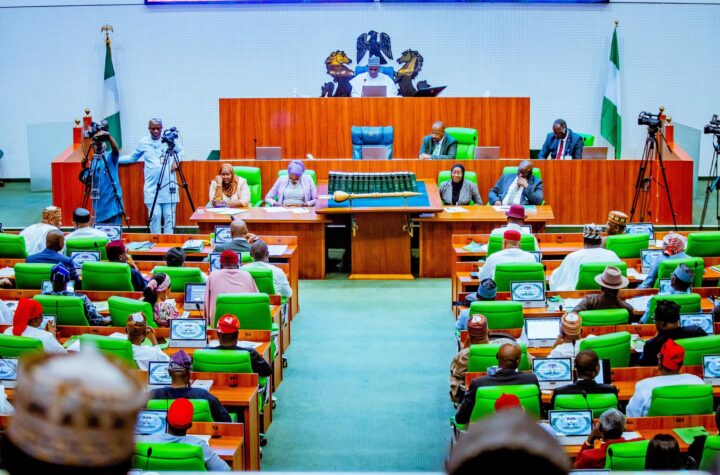
The House of Representatives on Thursday began debate on a bill seeking sweeping reforms to the Central Bank of Nigeria (CBN), with lawmakers pushing for stronger oversight, clearer governance structures and improved transparency in the nation’s monetary system.
Leading debate on the Central Bank of Nigeria (Amendment) Bill, sponsor of the legislation said the current CBN Act, enacted in 1991, no longer reflects Nigeria’s financial realities or global standards.
The Bill, sponsored by the Majority Leader, Rt. Hon. Prof. Julius Ihonvbere and Hon. Okey Joe Onuakausi, proposes major structural changes aimed at modernizing the apex bank and tightening accountability.
According to the sponsor, the reforms will separate the roles of the CBN Governor and the Chairman of its Board to prevent excessive concentration of power and ensure professional oversight. The Bill also proposes a single, non-renewable six-year tenure for the Governor and Deputy Governors, along with a ban on partisan political involvement by CBN leadership.
Another key feature of the legislation is the restriction of Ways and Means financing to 10 percent of the previous year’s actual revenue—a measure aimed at curbing fiscal indiscipline and inflationary pressure.
The Bill also mandates a uniform exchange rate regime and prohibits the use of foreign currencies for local transactions except through authorized channels. In addition, any future currency redesign or demonetization would require a 90-days notice, an impact assessment and a formal briefing to the National Assembly.
To strengthen financial system stability, the proposed law introduces enhanced macro-prudential tools, regular stress tests and reforms to the Monetary Policy Committee (MPC), including the inclusion of independent external experts.
The Bill further seeks to improve transparency by requiring quarterly publication of monetary policy decisions, economic forecasts and financial stability reports.
The lawmakers emphasized that the proposed amendments are not targeted at any individual but are necessary structural reforms intended to fortify the Nigerian economy.
“These amendments are forward-looking and designed to restore confidence in monetary policy, ensure accountability and keep the CBN strong, transparent and professionally managed,” the sponsor told the House.
The Bill is expected to be considered for Second Reading after lawmakers conclude their debate.


