By MU Abubakar
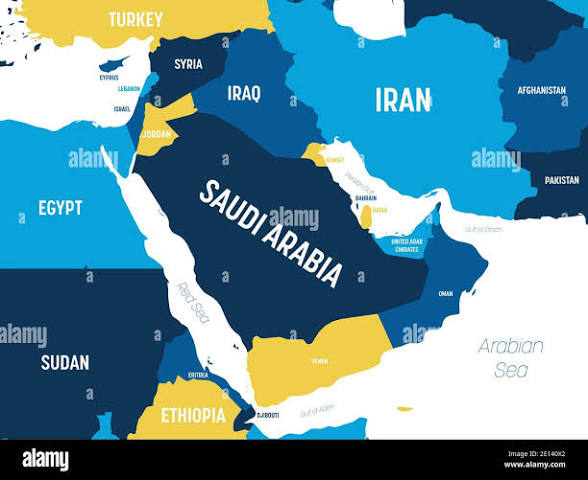
Gulf Cooperation Council (GCC) states have borne the overwhelming impact of Iran’s retaliation in the ongoing US-Israel-Iran conflict, receiving 83 percent of Tehran’s missile and drone strikes compared to just 17 percent directed at Israel, according to new analysis.
The conflict, which began on February 28 following a joint US-Israeli offensive against Iran, has rapidly escalated into a regional crisis, drawing in Gulf nations that neither participated in nor were consulted about the initial attacks. By March 1, all six GCC countries had come under Iranian fire, with the Washington-based Stimson Center describing the situation as an “escalating war that no GCC member sought.”
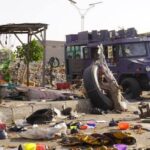
Despite Iran’s claims that its targets were limited to US-linked military installations, a growing pattern of strikes on civilian infrastructure has emerged. On the first day alone, missiles and debris hit key locations in the United Arab Emirates, including Dubai International Airport, the Burj Al-Arab hotel, Jebel Ali port, and the Palm Jumeirah. A total of 137 missiles and 209 drones were launched at the UAE in what analysts describe as an attempt to undermine its status as a global hub for tourism and investment.
Saudi Arabia, Bahrain, and Qatar were also targeted early in the conflict, with attacks on critical infrastructure such as the Ras Tanura oil refinery, Aramco facilities, and the Shaybah oil field. Saudi authorities confirmed intercepting multiple drones aimed at Riyadh, while civilians reported experiencing explosions in areas previously considered secure.
Even Oman, which had recently mediated talks between Iran and the United States, has not been spared. Since March 3, the country has recorded several strikes on oil and civilian facilities.
Cumulatively, GCC states have faced 4,391 missile and drone attacks since the conflict began, compared to 930 launched at Israel. The UAE remains the most heavily targeted, with 2,156 strikes and at least 11 fatalities reported. Saudi Arabia has recorded 723 attacks, resulting in two deaths and multiple injuries.
Although most incoming projectiles have been intercepted, marking a significant test of Gulf air defense systems, the scale and intent of the attacks have raised serious concerns across the region. Analysts argue that Iran’s strategy appears aimed at widening the conflict and increasing economic and political pressure on US allies.
Chris Doyle, director of the Council for Arab-British Understanding, noted that Iran’s targeting of civilian infrastructure undermines its claims of focusing solely on military objectives. He suggested that Tehran is attempting to stretch US and allied defenses across multiple fronts while increasing the cost of continued military engagement.
Similarly, Caroline Rose of the New Lines Institute said Iran’s approach is designed to demonstrate its capacity to destabilize the region and pressure GCC states into pushing for a halt to US operations. However, she warned that the strategy may be backfiring, with some Gulf countries reconsidering their stance and potentially moving closer to direct involvement in the conflict.
In response to the attacks, GCC countries, alongside Jordan, have intensified diplomatic efforts. The United Nations Human Rights Council on Wednesday adopted a resolution condemning Iran’s actions and calling for reparations over the loss of life and damage to infrastructure.
In a joint statement, Saudi Arabia, the UAE, Kuwait, Bahrain, Qatar, and Jordan strongly denounced what they described as “blatant Iranian attacks” and violations of sovereignty, international law, and the UN Charter. The countries also warned of emerging threats from Iran-linked sleeper cells and affiliated groups, while reaffirming their right to self-defense under international law.
The developments have heightened tensions across the Middle East, with growing fears that the conflict could expand further if diplomatic efforts fail to contain the crisis.