By Mercy Aikoye
Civil society organisations have called on the National Assembly to investigate the sources, funding and policy frameworks behind programmes targeted at Nigerian children, warning that foreign influence could shape policies without adequate consideration of the country’s cultural and social realities.
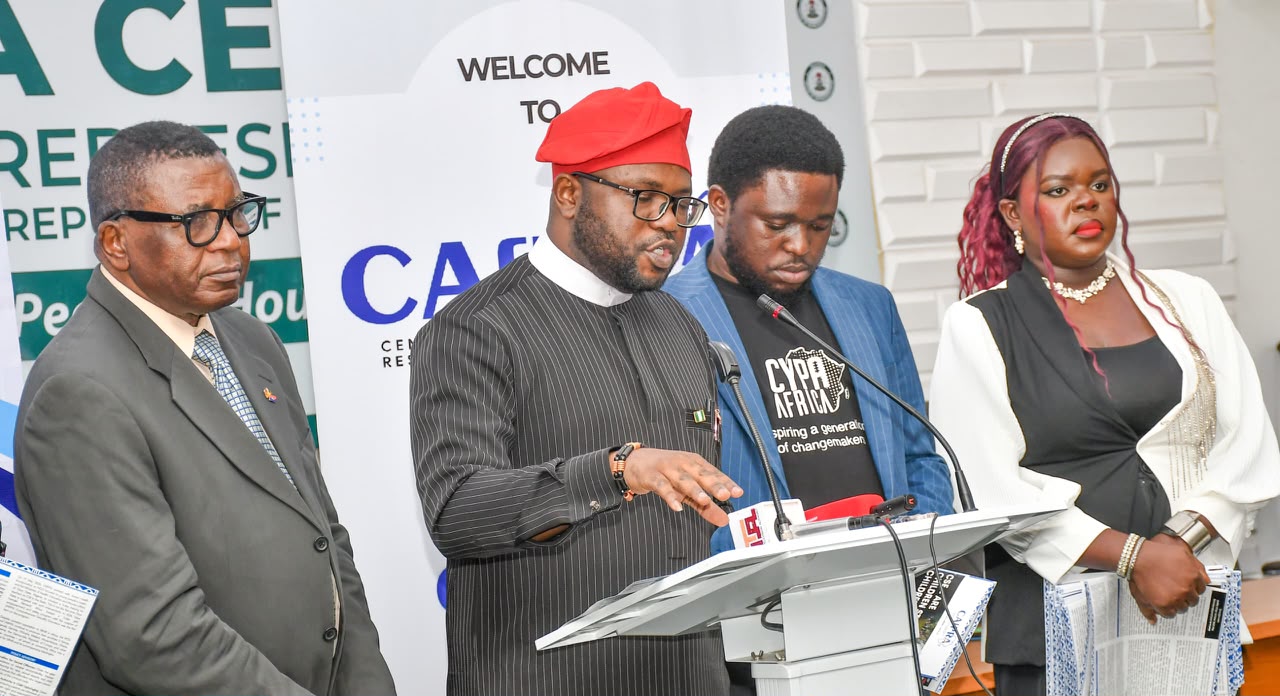
The call was made in Abuja during a media engagement on children, family values, education and public policy, organised by the Centre for African Policy Research and Advisory (CAFPRA) and other civil society groups on Thursday.
The organisations urged lawmakers to look beyond individual bills and scrutinise the broader frameworks, partnerships, educational materials and funding arrangements guiding programmes implemented in Nigerian schools and communities.
CAFPRA Executive Director, Dr. Segun Adebayo, said policies adopted by African governments must reflect the realities of their respective societies, stressing the need for wider consultation before decisions affecting children are implemented.
“We are dedicated to policies of the land, to be sure that the policies of government in Africa are consistent with the realities of Africa,” Adebayo said.
He called for the involvement of parents, educators, child-rights advocates, community leaders and civil society groups in the formulation of policies concerning children, arguing that international frameworks should not be adopted automatically without assessing their suitability to Nigeria.
Human rights lawyer and public affairs analyst, Sonnie Ekwowusi, said public opinion would remain critical to the success of controversial policies and proposed legislation, noting that sustained advocacy could determine whether such proposals eventually receive legislative backing.
The groups also raised concerns about terminology contained in some international frameworks, including “bodily autonomy,” “sexual rights” and “gender identity,” urging policymakers to clearly define such concepts and assess their age-appropriateness and compatibility with Nigerian laws, culture and family structures.
Speaking on the practical challenges facing children, Jane Chukwu of InnerCity Missions for Children said effective child protection must address poverty, family breakdown, inadequate education and other conditions that expose children to vulnerability. She disclosed that her organisation was establishing a free school in Abuja for children from disadvantaged backgrounds, alongside educational and vocational initiatives.
The CSOs said they had written to the Presidency and National Assembly leadership and planned further engagements with lawmakers and relevant committees. They also announced plans to present an African Charter on Family Values and Sovereignty to the National Assembly, while urging the media to investigate the origin, funding, objectives and implementation of programmes affecting Nigerian children to ensure greater transparency and accountability.