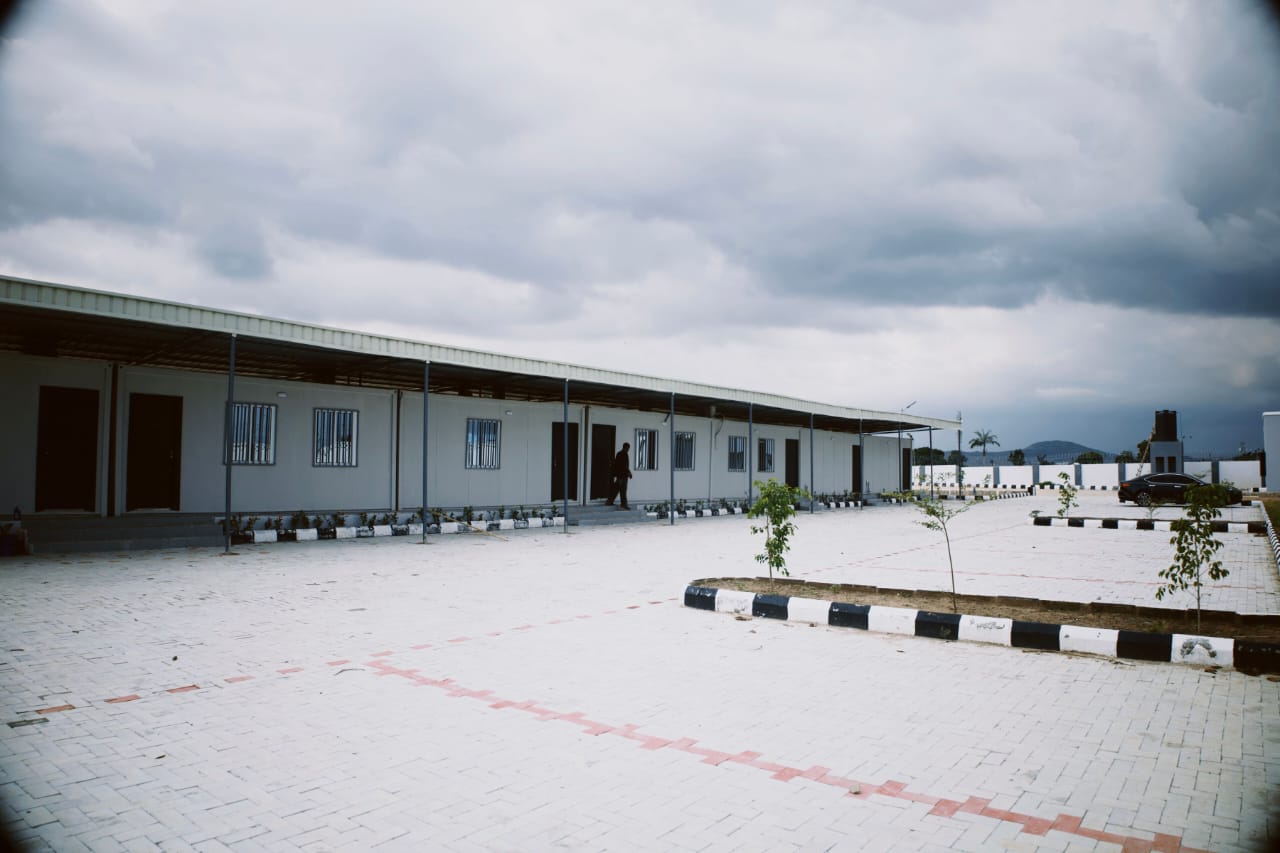
TRÏNŪ Bonded Warehouse gives Abuja a secure, compliant facility for storing and clearing imported cargo
TRÏNŪ Bonded Warehouse, a subsidiary of Sirlyon Limited, has commissioned a customs-controlled bonded warehouse in Kuje, Abuja.
This facility provides importers and their agents with a secure, compliant environment to store and clear cargo away from the seaports.
The bonded warehouse includes on-site office accommodation for Customs and other regulatory agencies, alongside weighbridge services, customs documentation and clearance support, container and general cargo storage, and cargo handling and consolidation.
On-site offices for regulators allow customs processes to take place where the cargo is stored.“TRÏNŪ was built around a simple observation: businesses shouldn’t have to keep moving back and forth to where their cargo isn’t ultimately going,” said Bilal Ajijola, CEO of TRÏNŪ Bonded Warehouse.
“By creating a secure, customs-controlled facility in Abuja, we’re bringing more of that process closer to where the goods are actually needed. You store, process and clear your cargo closer to its destination.
”The launch comes as the Nigeria Customs Service strengthens oversight of cargo in transit and under bond.
With capacity for [about 700] containers, TRÏNŪ has been set up to serve importers, exporters, freight forwarders and clearing agents handling Abuja-bound cargo within that framework.“Our ambition is to build more than a warehouse,” Ajijola added.
“We want TRÏNŪ to become an important inland gateway for trade into Abuja and Northern Nigeria, connecting businesses to global markets while making the movement of goods more efficient, secure and accessible.
”About TRÏNŪ Bonded Warehouse: TRÏNŪ Bonded Warehouse is a subsidiary of Sirlyon Limited that provides bonded warehousing, cargo handling and customs facilitation services in Nigeria.
The company focuses on developing secure inland logistics infrastructure that enables businesses to store, process, and move cargo closer to their destination markets.