By Mercy Aikoye
The proposed bill to relocate the Nigerian Safety Investigation Bureau (NSIB) has sparked intense debate among aviation stakeholders. The bill seeks to move the NSIB from the Federal Ministry of Aviation and Aerospace Development to the Office of the Secretary to the Government of the Federation (OSGF).
Stakeholders have expressed divergent views on the proposal. The Ministry of Aviation opposed the bill, while the OSGF supported it. The Permanent Secretary of the Ministry of Aviation, Dr. Abubakar Kana, urged lawmakers to retain the NSIB under the aviation ministry.
Dr. Kana argued that the NSIB should remain under the ministry with a strengthened legal and operational framework.
“I recommend that the National Assembly retain the Nigerian Safety Investigation Bureau within the Federal Ministry of Aviation,” he said.
However, the Permanent Secretary for Political and Economic Affairs at the OSGF, Engr. Gagare Nadungu, argued that the Presidency offers a centralized coordination structure better suited to host the NSIB. This would promote broader national oversight and institutional independence.
The Permanent Secretary, Federal Ministry of Special Duties and Intergovernmental Affairs, Dr. Onwusoro Maduka, emphasized the need for the NSIB to operate independently, especially in accident investigations. This would ensure impartiality and credibility.
The sponsor of the bill, Hon. Isiaq Abiodun Akinlade, cited global best practices, noting that leading accident investigation bodies operate as autonomous agencies, reporting directly to the highest levels of government. This guarantees independence, credibility, and efficiency.
Akinlade listed key challenges facing the NSIB, including lack of institutional independence, overlapping mandates, and limited access to high-level decision-making. He argued that relocating the NSIB to the Presidency would overcome these structural limitations.
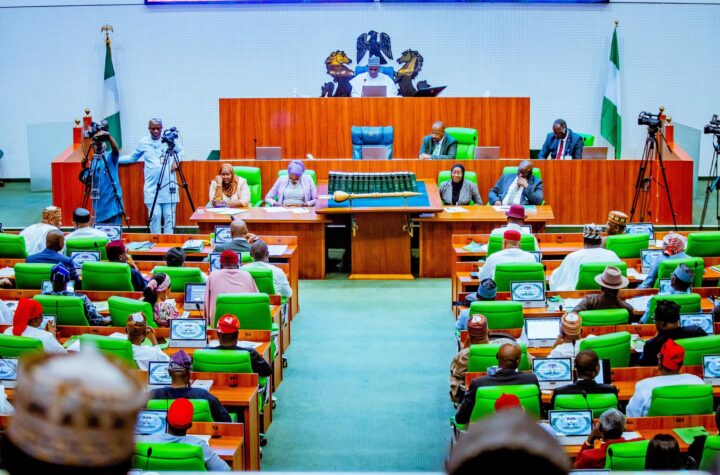
The House of Representatives is committed to providing legislative support to strengthen key sectors of the national economy. Hon. Kwamoti Laori, representing the Speaker, described the amendment as a proactive effort to enhance transport safety and align Nigeria’s systems with global standards.
The Chairman of the House Committee on Special Duties, Hon. Agbedi Fredrick, emphasized the importance of public input in shaping laws that impact national infrastructure. “We are here today because we care about the safety of Nigerians,” he said.