
By Mercy Aikoye
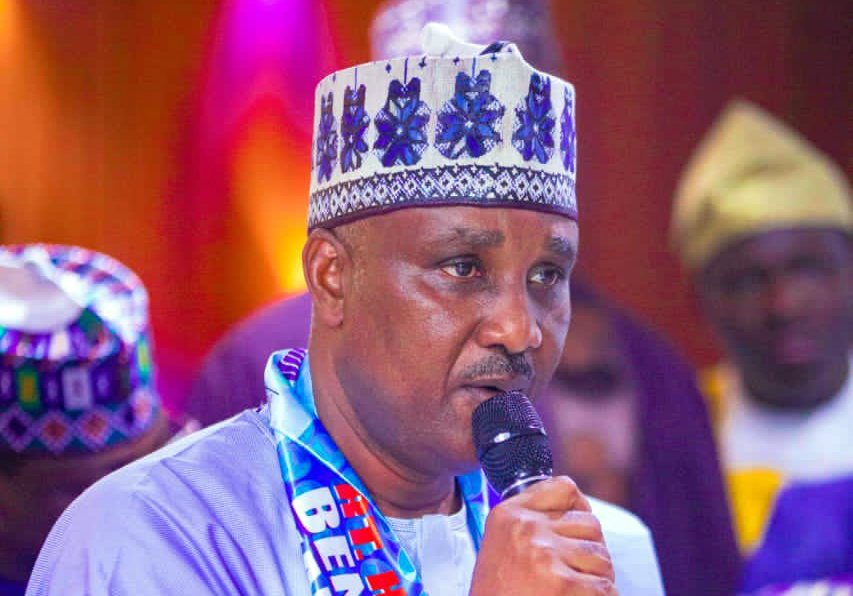
Nigeria’s journey to a trillion-dollar economy depends on the growth and empowerment of small and medium-sized enterprises (SMEs). This is the view of the Speaker of the House of Representatives, Tajudeen Abbas. According to him, SMEs account for over 90% of businesses worldwide and contribute nearly 70% of employment in many developing economies.
In Nigeria, SMEs account for over 84% of businesses and contribute about 48% to the National Gross Domestic Product (GDP). However, many of these businesses fail within their first year of operation due to poor access to formal credit, poor infrastructure, and poor management skills. “Sadly, whole half of these businesses fail within their first year of operation largely because of poor access to formal credit, poor infrastructure, poor access to technology, and poor management skills,” Abbas said.
To address these challenges, policy support is essential. Governments must enact and implement reforms that incentivize financial institutions to lend to SMEs. “If our regulatory environment is burdened with complex licensing, high compliance costs, and opaque tax systems, we would only be stopping the growth of SMEs,” Abbas emphasized.
The House of Representatives is working on several legislative measures to strengthen SMEs. These include the Innovation and Entrepreneurship Support Bill, 2025, which proposes a national framework for innovation hubs, tax incentives for tech startups, and private sector mentorship partnerships. The Factoring and Invoice Discounting Bill is also designed to convert SME receivables into immediate working capital.
The Nigeria Tax Act 2025 provides zero percent Companies Income Tax for small businesses with annual turnover under N100 million. This move is expected to boost the growth of small businesses and promote economic development.
There is a strong link between economic empowerment and youth development. Providing young Nigerians with viable economic opportunities reduces vulnerability to drug abuse. “Economic empowerment is a powerful tool for drug-use prevention. When young people are engaged in meaningful work, the possibility and incentive to experiment with substances reduces dramatically,” Abbas said.
The National Drug Law Enforcement Agency (NDLEA) is committed to collaborating with the National Assembly and partners to strengthen youth-friendly entrepreneurship programs, expand access to drug education, and support community-based rehabilitation. This partnership is crucial in addressing the challenges facing Nigerian youths and promoting economic development.


