By Chuks Oyema-Aziken, ABUJA
The Federal Ministry of Environment on Thursday convened key stakeholders in Abuja to validate a landmark policy brief aimed at combating marine litter and strengthening Nigeria’s transition to a circular economy.
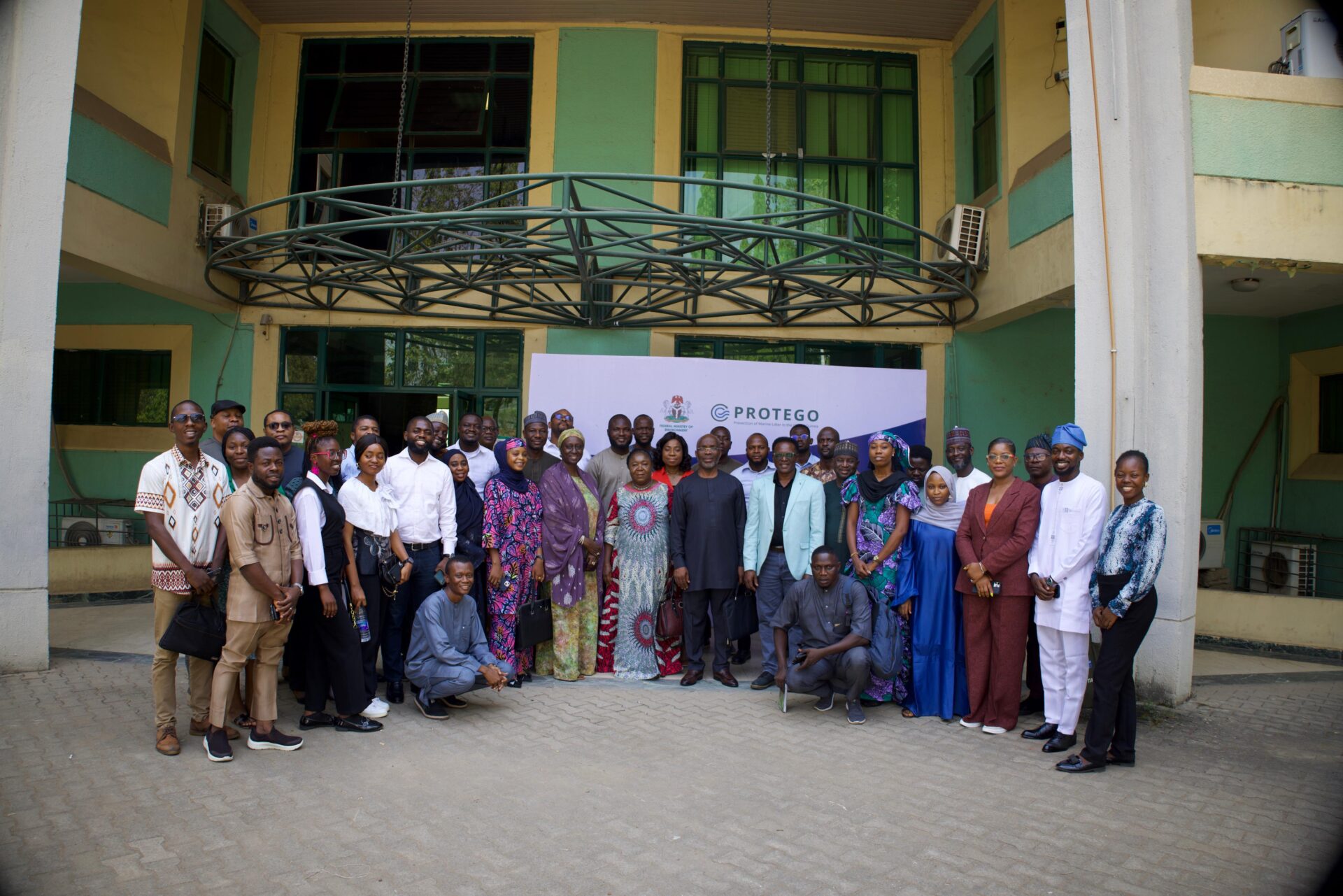
The validation workshop, held at the Green Building of the Federal Ministry of Environment in Abuja, was organised in collaboration with PROTEGO (Prevention of Marine Litter in the Gulf of Guinea), bringing together environmental experts, regulators, development partners and private sector actors.
At the centre of discussions was a draft document titled “Policies, Institutional Set-up and Financing of Marine Litter Prevention in Nigeria,” designed to address long-standing structural and financing gaps in the country’s waste management system.
The initiative is supported by the German Federal Ministry for the Environment, Nature Conservation, Nuclear Safety and Consumer Protection and led by adelphi, with implementation in Nigeria by WASTE Africa and NCIC.
Speaking at the event, Falmata Bukar-Kolo, Deputy Director of the Solid Waste Management and Technology Division at the Federal Ministry of Environment, said the workshop was convened to validate a draft policy that would help curb marine litter, particularly plastics flowing from inland communities into the sea.
She warned that plastic pollution has severe consequences for aquatic ecosystems and human health, noting that microplastics have entered the food chain through fish consumption.
According to her, clogged waterways, soil contamination and greenhouse gas emissions from burning plastics further compound the crisis.
Bukar-Kolo stressed that plastics, though widely used, are non-biodegradable and remain in the environment for years, making improved waste management and safer alternatives to single-use plastics an urgent priority.
She added that improper waste disposal practices have worsened the problem and called for behavioural change, better enforcement of regulations and coordinated action among stakeholders.
Regional Coordinator of PROTEGO, Clem Ugorji, said Nigeria’s marine litter challenge carries environmental, economic and reputational costs, but expressed optimism that coordinated policy frameworks, strengthened institutions and sustainable financing could reverse the trend.
A major highlight of the policy brief is the proposed harmonisation of institutional mandates among agencies such as the National Environmental Standards and Regulations Enforcement Agency, Nigerian Maritime Administration and Safety Agency and National Inland Waterways Authority, which currently have overlapping responsibilities on water pollution.
The document recommends the establishment of a Unified Inter-Agency Coordination Framework to ensure collaboration rather than duplication in enforcement and regulatory oversight.
On financing, the brief proposes mandatory Extended Producer Responsibility (EPR), requiring manufacturers to take responsibility for the lifecycle of their packaging, as well as innovative funding mechanisms such as blue bonds and environmental levies to support coastal waste infrastructure.
It also emphasises the domestication of federal policies at the state level, particularly in littoral states such as Lagos State and Cross River State, to ensure effective enforcement beyond Abuja.
The workshop concluded with stakeholders formally endorsing the policy brief and adopting a 2025–2040 implementation roadmap, marking what organisers described as a decisive shift from prolonged dialogue to concrete action in protecting Nigeria’s marine and coastal environment.