By Livinus Nnebedum
The combine efforts of agricultural scientists in the research institutes, universities, colleges of agriculture, Agricultural Development Program (ADP ), Food and Agriculture Organization (FAO), the World Bank and the International Organizations across the globe are urgently needed to help the growing population of the developing and underdeveloped Nations of the world.
Food distribution experts have postulated that food insecurity could become one of the greatest humanitarian problems of the 21st century. Food security could be defined as access, by all people at all times to enough food, for an active healthy life.
World population has increased to over 7.5 billon. Nigeria population has also increased to over 200 million.
Most of our people go to bed undernourished. Who will feed the growing population? International Organizations, planners, agricultural scientists,world leaders e.t.c are challenged to resolve the problems of food insecurity, poverty and unfolding population explosion.
The strategies should include massive food production applying mechanised farming, improved farming, technologies, encouraging rural farmers by providing adequate access to modern facilities– good roads, electricity supply on continuous basis, good markets, storage facilities e.t.c. There is need to improve access to credit facilities and allow small-scale rural farmers grow towards large-scale commercial farmers. In many developing countries Nigeria inclusive, the roods along which produce are transported from farms to cities are inadequate and unmotorable. This means longer transportation time, greater wastage in the end, higher prices and so on.
Protest and strikes against high fuel prices can cause disruption of food supply in Nigeria. Fuel crisis of 1994 to 1999 had caused series of industrial/strike actions leading to shortages in food supply resulting from high transport costs.
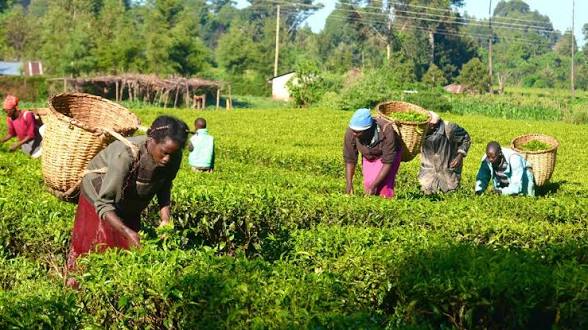
There is need for the government at all levels to encourage commercial agriculture. Agricltural Revolution is very vital. The elites, the NGO’s, the big farmers and people who have the where-withal to go into large-scale farming with modern implement, techniques and using improved varieties or species of animals for higher productivity. Farming with local tools, use of human muscle as labour input in agriculture cannot produce enough to feed the expanding population of Nigeria. These are peculiar to small-scale rural farmers. There is need to lift them up and in fact all the farmers to higher levels. No matter how old the farmers are, they continue to work in thier farms. There is no retirement age nor pension and gratuity in his occupation. In their rural centres the farmers lack good healthcare facilities, their children trek long distance in thirst for education. Motorable roads are few, water and electricity are limited and there is continuous power failure with intermittent power supply. Electricity supply is never regular. They can hardly afford to watch television. At dawn in the remote villages the farmers are already awake preparing for long day of work especially every market day, some move by feet several kilometres to the market to sell their farm produce. They carry the heavy load on thier heads since some of them lack transport facilities.
Farmers need help to increase their farm outputs, income and improve their standard of living. Farm mechanization should be given priority to reduce druggery in farm operations because rural small-scale farmers spend a lot of energy and human muscle in feeding this Nation.
Livinus Nnebedum, expert in Agricultural Extension Communication writes from Federal College of Education (Technical), Umunze, Anambra State.