By Myke Uzendu, Abuja
The Independent National Electoral Commission (INEC) has assured Nigerians that it is intensifying preparations for the 2027 general elections, with emphasis on transparency, technology, public trust and collaboration with the media and civil society.
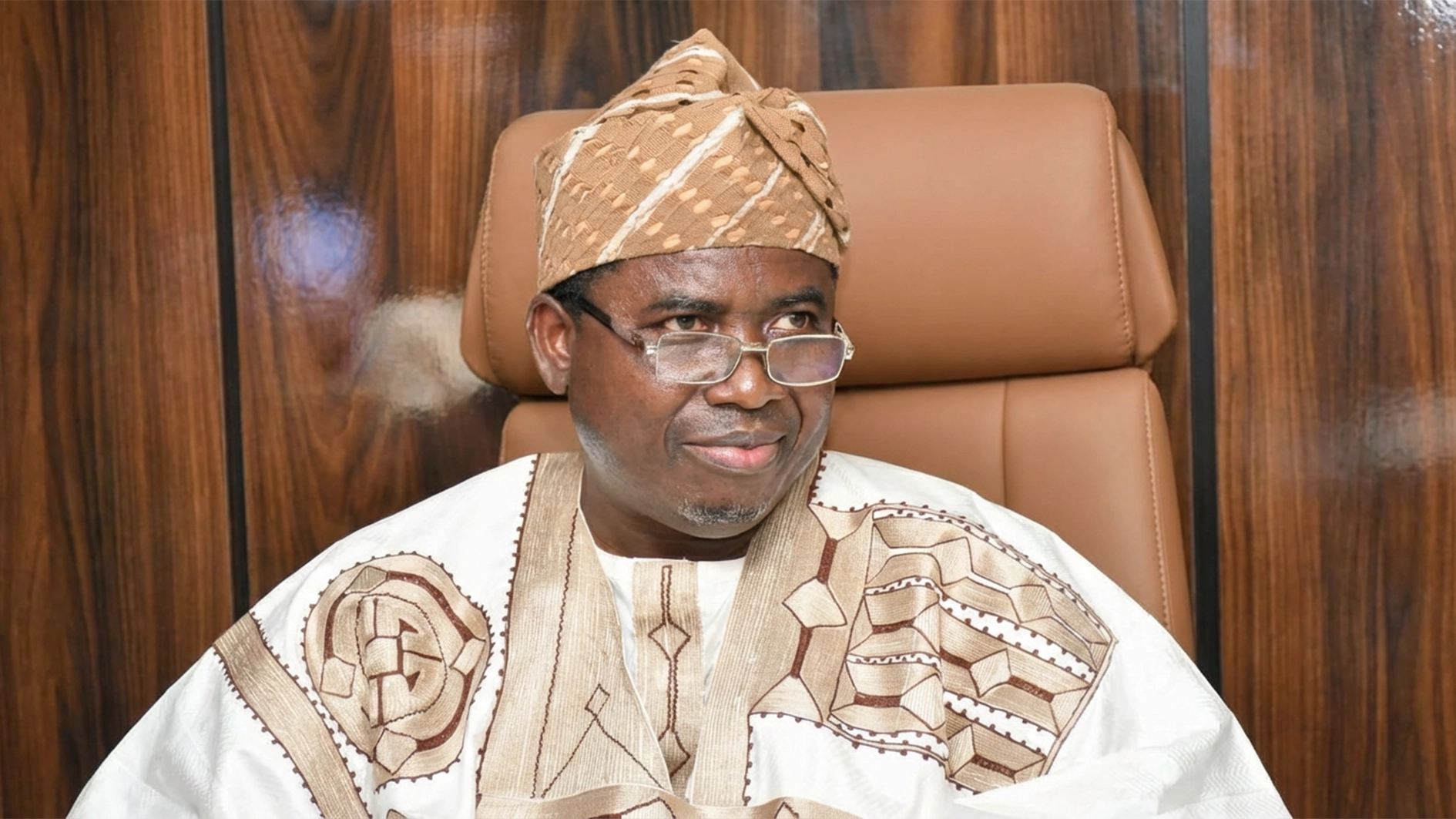
INEC Chairman, Prof. Joash O. Amupitan, SAN, gave the assurance on Monday in Abuja at a strategic workshop organised by the Nigerian Guild of Editors (NGE) in collaboration with INEC.
The workshop, themed “Strengthening Democracy Through Partnership Among Editors, Civil Society and Electoral Institutions,” comes 101 days before the January 16, 2027 presidential and National Assembly elections and 124 days before the February 6 governorship and State Houses of Assembly elections.
Amupitan said the timing of the engagement was deliberate, stressing that credible elections could not be achieved by INEC alone.
“The ultimate arbiter of electoral integrity is public trust,” he said, adding that such trust required “an active, transparent, and unshakeable partnership between the electoral umpire, civil society, and the free press.”
The chairman said INEC had completed eight of the 14 major activities contained in its revised timetable for the 2027 elections and was advancing towards the ninth milestone.
He announced that nationwide collection of Permanent Voters’ Cards (PVCs) would commence on Friday, October 9, 2026, urging the media to educate voters on collection locations.
According to him, the three phases of the Continuous Voter Registration exercise produced 10,772,421 new registrations, while the National Register of Voters now contains more than 103 million voters following the completion of the Automated Biometric Identification System cleanup.
Amupitan said the Commission had also introduced online voter registration and printable PVC technology to reduce barriers associated with registration and collection of voter cards.
On technology, the INEC chairman disclosed that 57,000 new Bimodal Voter Accreditation System (BVAS) devices had been acquired, while existing devices had undergone software hardening, battery optimisation and biometric calibration.
He said the enhanced eEC8A system would enable polling-unit results to be digitised, authenticated and uploaded to the INEC Result Viewing Portal (IReV).
He added that INEC was integrating artificial intelligence tools for anomaly detection and cybersecurity.
“We are committed to ensuring that every valid vote counts and is seen to count,” Amupitan said.
He also warned political parties and candidates against vote-buying, saying INEC was working with the Federal Ministry of Justice, EFCC, ICPC and NFIU to monitor illegal campaign spending.
“Elections must be decided by the conviction of the voter, not the depth of a candidate’s pocket,” he declared.
The chairman further warned against political violence, intimidation and hate speech, saying the Commission would work through the Inter-Agency Consultative Committee on Election Security (ICCES) to track incidents and dangerous campaign rhetoric.
On the media, Amupitan urged editors to strengthen fact-checking and verification, particularly in the face of deepfakes, manipulated videos and coordinated disinformation.
“When information is verified before publication, you perform a sacred public service,” he told editors.
Earlier, NGE President, Mr Eze Anaba, said the workshop was critical to strengthening the relationship between the electoral body and the media.
“Elections are not merely about casting ballots; they are about trust,” Anaba said.
He expressed concern about the growing reliance on the courts to resolve electoral disputes, saying: “Hopefully, with this next round of elections, citizens’ votes will speak.”
Anaba said credible elections were a shared responsibility involving INEC, political parties, the media and citizens, adding that “the credibility of the media itself is an essential component of the credibility of the electoral process.”
Also speaking, Executive Director of the Centre for Media and Society, Dr Akin Akingbolu, warned that fabricated newspaper front pages, fake campaign materials and manipulated videos posed serious threats to the 2027 elections.
He said public trust in the media remained an important resource, describing it as “a form of electoral infrastructure” that must be protected.
Akingbolu urged news organisations to establish verification leads within election desks and ensure that election results were traced to lawful declarations.
His message to journalists was simply “verify before you amplify.”
He also called on INEC to improve the speed and clarity of its communication with newsrooms, warning that “when official information moves at the speed of rumour, unofficial information inevitably fills the vacuum.”
Akingbolu proposed an INEC-Editors Verification Compact to establish clear commitments on information authentication, communication of discrepancies and responses to false information.
INEC National Commissioner, Mohammed Haruna, said the Commission had conducted several elections since Amupitan assumed office, including the Anambra, FCT, Ekiti and Osun elections, as well as several legislative bye-elections.
Haruna said the elections had progressively improved, while acknowledging the contribution of stakeholders, particularly the media.
He said the workshop was aimed at ensuring that stakeholders worked together to deliver credible elections in 2027.
Haruna also announced that INEC would hold a press conference on Tuesday, October 6, marking 100 days to the first phase of the general elections, where the chairman would brief local and international media on the Commission’s state of readiness.