By Chesa Chesa
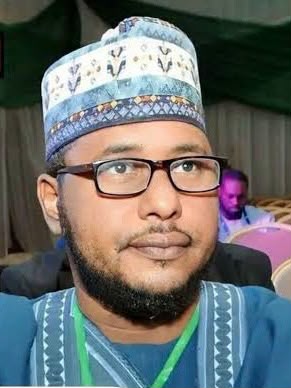
The Senior Special Assistant to the President on Community Engagement (North-West), Abdullahi Tanko Yakasai, has said the region is seeking ₦20 billion in climate financing over the next four years to tackle flooding, drought, migration and other environmental challenges.
Yakasai disclosed this while speaking with State House correspondents on the sidelines of the inaugural Northwest Climate Summit held at the Presidential Villa, Abuja on Tuesday, where he outlined plans to establish a regional climate marketplace, a climate academy and a climate fund.
He said the initiative was designed to strengthen climate action across the region by connecting state and local governments with development partners and financial institutions, while equipping young people with the skills needed to address climate-related challenges.
According to him, the climate marketplace will provide a platform for states and local governments to showcase their climate programmes and attract partnerships and funding from international development agencies, financial institutions and local partners.
“The climate marketplace is where local governments and states can go to the platform and put up what they do on climate change, so that international development partners and financial institutions can see their programmes and determine how they can partner and collaborate with the subnationals,” he said.
On youth development, Yakasai said the proposed Climate Academy would train 10,000 young people across the North-West in climate resilience, climate action and other areas related to environmental sustainability.
He added that the third pillar, the climate fund, would mobilise resources to address the region’s climate-related problems, including flooding, drought and the need for renewable energy.
Yakasai said the fund would be channelled through the Office of the Senior Special Assistant to the President on Community Engagement to support interventions aimed at mitigating the effects of climate change across the region.
He described the summit as the first regional climate summit and climate marketplace of its kind in Nigeria and Africa, adding that it was organised in partnership with the Northwest Governors Forum and the Northwest Development Commission.
The presidential aide said the initiative was part of efforts to attract development and expand climate-related interventions in the region, which faces several environmental and socioeconomic challenges.
On the forthcoming United Nations climate change summit, Yakasai said discussions and outcomes from the regional gathering would help shape Nigeria’s engagement at the international forum.
He explained that preparations for the initiative began during the previous year’s United Nations General Assembly, adding that the latest summit provided an opportunity to consolidate discussions and identify areas where the region’s priorities could align with international climate action efforts.
“We want to take what we have done here, the discussions we have had, and see where we can match our strengths with what we will see at the international climate change summit,” he said.
Yakasai identified flooding, drought, migration, dry-season challenges and renewable energy needs among the major issues the proposed climate interventions would address.
He also cited the recent ginger disease outbreak as an example of a challenge requiring attention within the broader climate and agricultural sustainability agenda.
He said the proposed financing would help the region tap into growing global interest in climate finance and support practical measures to reduce the impact of environmental challenges on communities.
In his contribution, the Lead Consultant | North West Climate Summit 2026, Dr. Mea Boykins, said that the summit had been “both an incredible honor and a meaningful opportunity to contribute to advancing climate action in Nigeria. Bringing together global leaders, government officials, development partners, private sector executives, and key stakeholders at the Presidential Villa in Abuja was a tremendous privilege.
“The summit represented more than a gathering of influential voices; it was an opportunity to foster strategic partnerships, mobilize investment, and advance innovative solutions to some of the most pressing climate challenges facing Northern Nigeria.
“The true success of this summit will be measured not by who was in the room, but by what we accomplish together after leaving it.”