By Myke Uzendu, Abuja
The Inter-Party Advisory Council (IPAC) has called on the National Assembly to urgently revisit and amend the Electoral Act 2026, warning that its current provisions could undermine the credibility of the 2027 general elections.
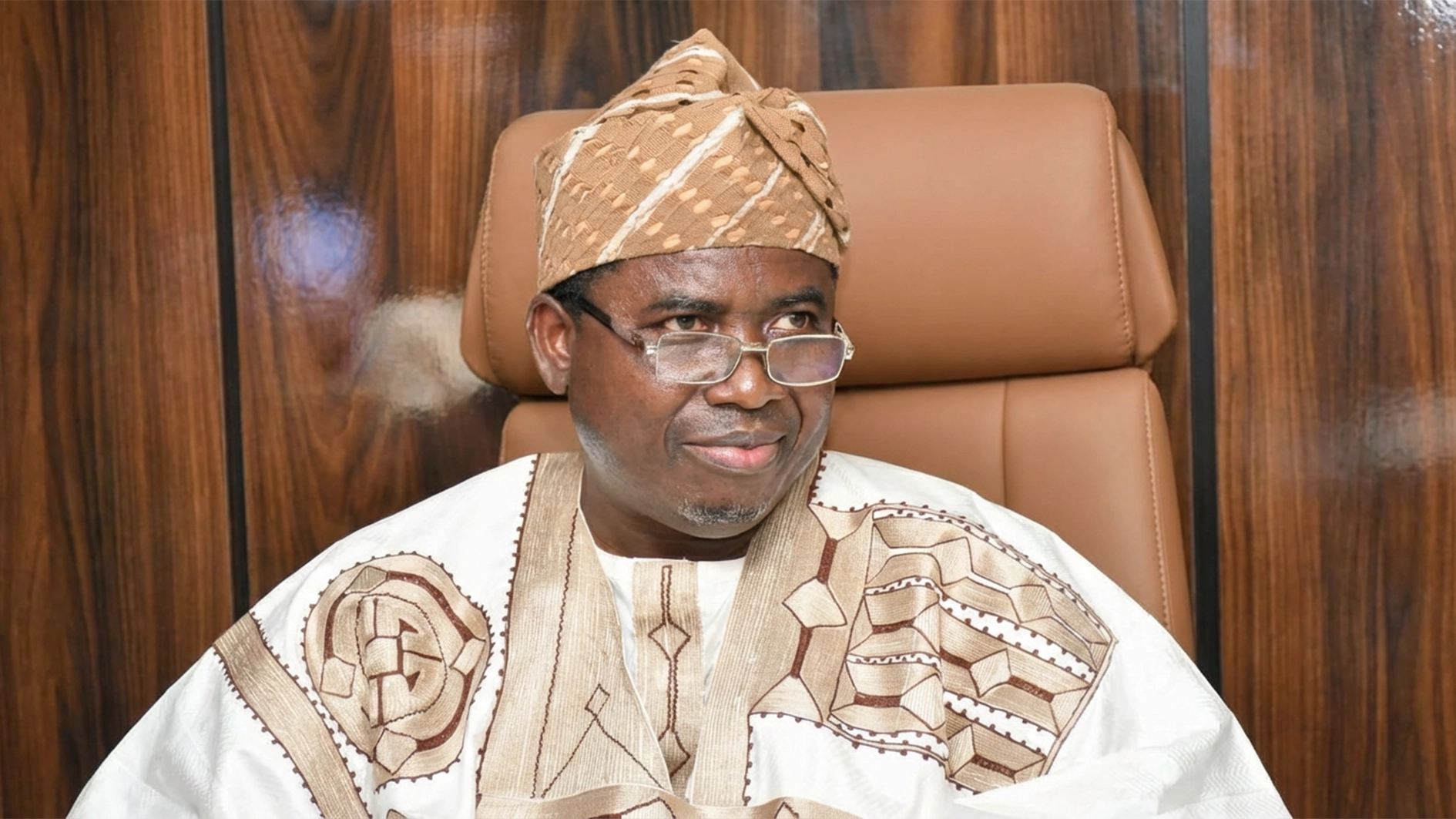
Speaking at a consultative meeting convened by the Independent National Electoral Commission (INEC) in Abuja on Tuesday, IPAC National Chairman, Dr. Yusuf Mamman Dantalle, described the law as a “regression” that falls short of public expectations.
Dantalle said Nigerians had actively participated in public hearings on electoral reforms with the hope of producing a more inclusive and progressive legal framework, but expressed disappointment that the final Act did not reflect those aspirations.
“It represents a significant setback that must be urgently addressed in the national interest,” he said, warning that the current framework could weaken democratic processes and constrain political parties ahead of the polls.
The IPAC chairman particularly faulted the provision mandating direct primaries, insisting that the choice of candidate selection methods should remain an internal affair of political parties. He also criticised the requirement for parties to submit membership registers, including National Identification Numbers (NIN), within a limited timeframe, describing it as impractical and potentially disenfranchising millions of Nigerians.
Dantalle further called for the restoration of mandatory electronic transmission of election results, stressing that it remains critical to transparency and public trust. He noted that lapses in result transmission during previous elections had contributed to voter apathy and skepticism.
On electoral offences, IPAC raised concerns over what it described as weakened penalties for vote buying, reiterating its demand for the establishment of an Electoral Offences Commission to ensure accountability and deter malpractice.
In his opening remarks, INEC Chairman Prof. Joash Amupitan (SAN), said the meeting was part of ongoing efforts to strengthen Nigeria’s electoral framework and prepare for a compressed election timetable ahead of 2027.
Amupitan noted that the Commission had undertaken a comprehensive review of its regulations and guidelines to align with the Electoral Act 2026, emphasizing that credible elections begin with transparent processes leading to candidate emergence.
“We cannot navigate a 2027 horizon using a 2022 map,” he said, adding that the updated guidelines aim to promote fairness, accountability, and inclusivity across political parties.
He highlighted key areas covered in the revised regulations, including party operations, primaries, campaign conduct, and election financing, while also introducing measurable benchmarks for the participation of women, youth, and persons with disabilities.
The INEC chairman urged political parties to view the regulations as safeguards rather than restrictions, calling for constructive engagement to improve the electoral system.
With the 2027 general elections scheduled for January and February, stakeholders stressed the need for urgent reforms to address legal and operational gaps, warning that failure to act could erode public confidence in the democratic process.
Present at the meeting were the chairmen and secretary of all the political parties including Sen. Nenadi Usman (Labour Party) Abdulrahman Mohammed (PDP), Dan Nwanyanwu (Zenith Labour Party) and other stake holders.