By Stella Odueme
The Federal Ministry of Regional Development (MRD), in partnership with the United Nations Development Programme (UNDP), is set to commence a series of zonal technical validation workshops across Nigeria’s six geopolitical zones aimed at refining the draft National Regional Development Policy (NRDP) 2026–2030.
The workshops, described as the final nationwide consultation phase for the policy, will bring together stakeholders from federal and state governments, Regional Development Commissions, local government authorities, civil society organisations, academia, the private sector, and traditional institutions.
According to a joint press statement issued by the Ministry and UNDP on Wednesday, the NRDP is designed to provide a comprehensive framework for addressing regional disparities, unlocking economic opportunities, and promoting inclusive and balanced national development.
The policy, developed with technical support from UNDP, aligns with Nigeria’s Medium-Term National Development Plan (MTNDP), the Sustainable Development Goals (SDGs), and the African Union Agenda 2063.
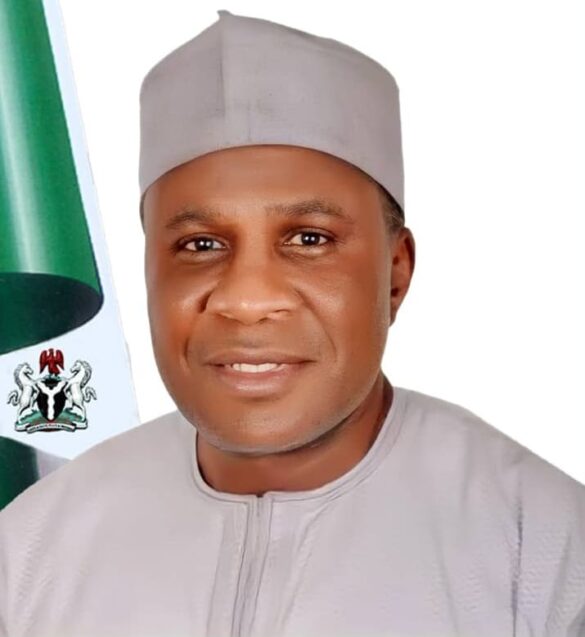
Speaking on the initiative, the Minister of Regional Development, Engr. Abubakar Momoh, described the policy as a critical national framework for coordinating development efforts across the country’s regions.
“This policy provides the guiding framework for regional development in Nigeria. Each Development Commission is expected to derive its master plan and operational agenda from it, in line with the Ministry’s mandate to coordinate regional development efforts. Stakeholders must now engage it critically to ensure it is robust, inclusive, and implementation-ready,” he said.
The Ministry noted that UNDP’s technical partnership helped strengthen the policy’s design through methodological support and the integration of global best practices in regional development planning, governance, and implementation.
UNDP Nigeria Resident Representative, Ms. Elsie G. Attafuah, said the policy reflects a significant shift towards people-centred and inclusive development.
“The National Regional Development Policy signals a decisive shift — one that takes a people-centric and inclusive approach.
At UNDP, we are proud to stand alongside the Ministry of Regional Development, Regional Development Commissions and state governments in advancing this ambition through our Integrated Smart States Programme approach,” she said.
Attafuah added that the Integrated Smart States Programme (ISSP) supports balanced and locally driven development by integrating trade, digital innovation, and sustainable energy solutions to create jobs and strengthen regional competitiveness.
She further stated that validating the framework across all six geopolitical zones would help Nigeria transform its regional diversity into a shared national advantage.
According to the statement, the workshops are expected to generate evidence-based recommendations on growth hubs and corridors, financing mechanisms, governance structures, and cross-cutting priorities such as gender inclusion, climate resilience, digital transformation, and youth development.
The zonal workshops are scheduled to hold as follows: South East in Enugu on May 11; South South in Port Harcourt on May 13; North Central in Lafia on May 25; South West in Ibadan on June 3; North West in Kano on June 8; and North East in Maiduguri on June 10. A National Consolidation and Political Validation meeting will hold in Abuja on June 24, 2026.
The statement added that each zonal engagement would produce a formal communiqué and technical report to support the national consolidation process ahead of submission of the final policy document to the Federal Executive Council for approval.
UNDP, the leading United Nations agency focused on addressing poverty, inequality, and climate change, currently operates in over 170 countries.
In Nigeria, the organisation is implementing its Integrated Smart States Programme, which focuses on innovation, digital transformation, trade and investment, clean energy systems, community development, and the promotion of locally driven economic growth.