
By Chuks Oyema-Aziken
Stakeholders have called for urgent and coordinated action to strengthen climate governance, gender inclusion, and environmental reporting in Nigeria amid growing concerns over the impact of climate change and toxic pollution on vulnerable communities.
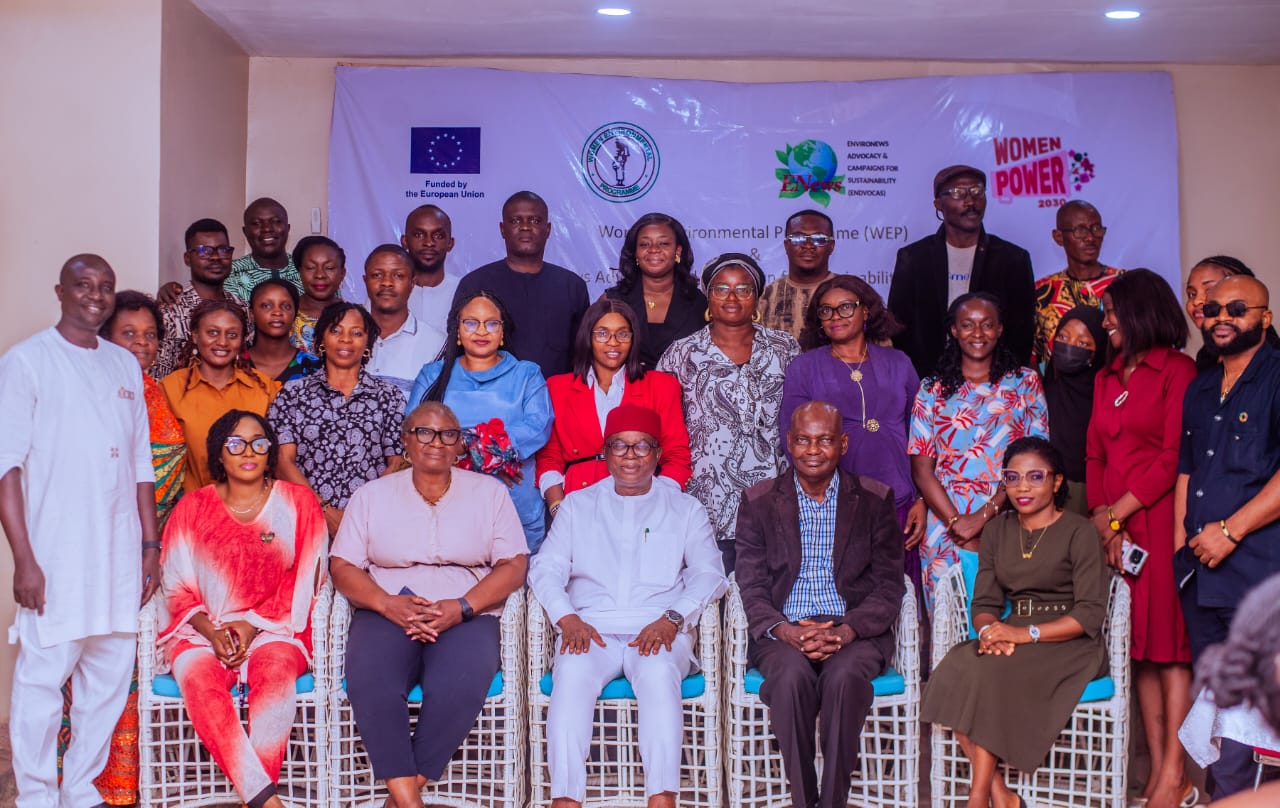
The call was made at a two-day Media Training on Climate Governance and Gender Mainstreaming in the United Nations Framework Convention on Climate Change (UNFCCC) and the Minamata Convention on Mercury held in Abuja and organised by EnviroNews Advocacy & Campaigns for Sustainability (Endvocas) in collaboration with the Women Environmental Programme and the Climate and Sustainable Development Network of Nigeria.
Welcoming participants to the conference, Publisher of EnviroNews Nigeria and Executive Director of Endvocas, Michael Simire, described the gathering as timely, noting that worsening climate impacts such as floods, heatwaves, biodiversity loss, and pollution were becoming more severe across the country.
Simire said global environmental frameworks such as the UNFCCC and the Minamata Convention on Mercury provided pathways for addressing climate and chemical pollution challenges but stressed that their effectiveness depended on public understanding, media engagement, and institutional accountability.
He emphasised the strategic role of journalists in shaping public discourse, saying the media remained critical in influencing policy, educating citizens, amplifying community voices, and strengthening environmental governance through informed reporting.
The EnviroNews publisher also highlighted the importance of gender mainstreaming, noting that women and girls were disproportionately affected by climate change and mercury pollution despite remaining underrepresented in policy discussions and environmental decision-making.
Delivering a keynote address titled “From Personal Effort to National Action: Reimagining Climate Change Governance in Nigeria,” former two-time member of the House of Representatives and sponsor of Nigeria’s Climate Change Act 2021, Sam Onuigbo, warned that climate change had evolved from a distant environmental concern into a serious developmental, humanitarian, and national security challenge.
Onuigbo said climate change was already affecting livelihoods across Nigeria through devastating floods, droughts, desertification, food insecurity, shrinking water bodies, displacement, and rising temperatures, stressing that the consequences were becoming increasingly visible nationwide.
He pointed to the shrinking of the Lake Chad Basin as one of the clearest indicators of ecological degradation, linking environmental stress to migration, social instability, farmer-herder clashes, and worsening insecurity in several regions.
The former lawmaker said Nigeria had made institutional progress through the Climate Change Act 2021, which established the National Council on Climate Change and introduced frameworks for emissions reduction, carbon budgeting, climate financing, and integration of climate action into governance and national development planning.
He also commended the administration of Bola Ahmed Tinubu for climate-related reforms, including fuel subsidy removal, renewable energy initiatives, implementation of the Electricity Act 2023, climate-smart agriculture, compressed natural gas programmes, and green financing efforts aimed at supporting sustainable development.
Also welcoming partcipants, Founder and Global Lead of the Women Environmental Programme, Priscilla Mbarumun Achakpa, described climate change and mercury pollution as urgent threats affecting women, children, artisanal miners, farmers, and low-income communities, while urging stronger environmental awareness and public engagement.
Achakpa called on journalists to go beyond routine headlines by simplifying complex environmental issues, countering misinformation, investigating climate governance, and amplifying the voices of vulnerable communities, insisting that stronger collaboration among media professionals, civil society, researchers, and policymakers was essential to building a more climate-resilient Nigeria.
