By Stella Odueme
The House of Representatives Committee on Power has called on electricity Distribution Companies (DisCos) owing outstanding market obligations to urgently settle their debts, warning that continued defaults could threaten liquidity and the sustainability of Nigeria’s electricity market.
The Chairman of the Committee, Rt. Hon. (Barr.) Nwokolo Victor Onyemaechi, made the call during an oversight visit to the headquarters of the Nigerian Independent System Operator (NISO) in Utako, Abuja, on Wednesday.
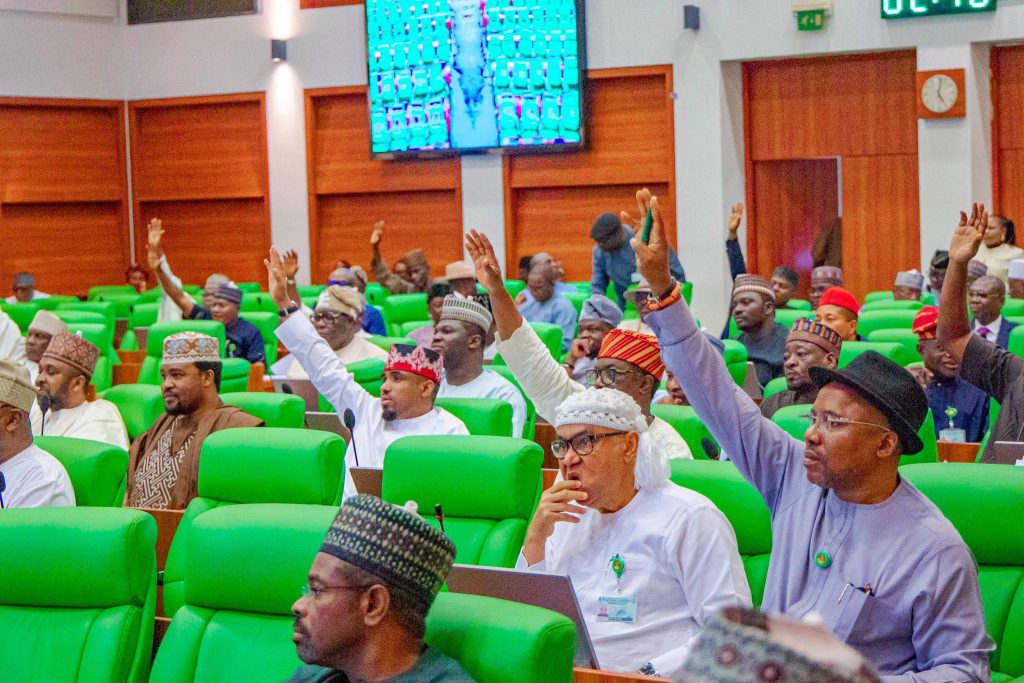
The visit also afforded members of the Committee the opportunity to witness an ongoing public hearing organised by NISO on outstanding market obligations and other compliance issues involving selected electricity distribution companies.
The lawmakers participated in a hearing involving the Ibadan Electricity Distribution Company (IBEDC), as part of NISO’s ongoing engagement with DisCos over outstanding market debts, Events of Default and compliance with the rules of the Nigerian Electricity Market.
The hearing was chaired by NISO’s Executive Director, Market Operations, Engr. Dr Edmond Eje.
Speaking during the engagement, Onyemaechi expressed concern over the rising level of market obligations owed by some DisCos, stressing that the failure of market participants to meet their financial responsibilities could negatively affect the entire electricity value chain.
He said improved liquidity was essential to the stability and long-term growth of the Nigerian Electricity Supply Industry (NESI).
The Committee Chairman urged IBEDC and other affected distribution companies to take concrete steps towards clearing their outstanding obligations and improving compliance with market rules and regulations.
The affected DisCos include Benin Electricity Distribution Company (BEDC), Enugu Electricity Distribution Company (EEDC), Ibadan Electricity Distribution Company (IBEDC), Jos Electricity Distribution Company (JEDC), Kaduna Electricity Distribution Company (KAEDCO), Port Harcourt Electricity Distribution Company (PHEDC) and Kano Electricity Distribution Company (KEDCO).
According to Onyemaechi, resolving market defaults is critical to strengthening liquidity, ensuring the sustainability of electricity market operations and improving power supply to consumers.
Following the public hearing, the lawmakers proceeded with their scheduled oversight meeting with the management of NISO.
Welcoming the delegation, the Managing Director and Chief Executive Officer of NISO, Engr. Abdu Bello Mohammed, commended the House Committee on Power for its continued oversight and support for reforms in the electricity sector.
Mohammed explained that NISO emerged as one of the key outcomes of reforms introduced under the Electricity Act 2023, which provided the legal framework for the restructuring of the Transmission Company of Nigeria (TCN) and the establishment of an independent system operator.
He briefed the lawmakers on NISO’s activities since its establishment, including its statutory responsibilities and five-year development plan.
According to him, the plan is focused on strengthening system operations, improving electricity market operations, enhancing system planning and supporting the effective coordination of Nigeria’s power system.
Mohammed stressed the need for sustained collaboration between the National Assembly, NISO and other stakeholders in addressing the financial and structural challenges confronting the Nigerian Electricity Supply Industry.
He commended the Committee for its intervention on the issue of market defaults, noting that improved liquidity would enable market participants to meet their obligations, sustain operations and contribute to improved electricity service delivery.
The NISO boss also appealed for continued legislative support and constructive oversight, saying stronger cooperation among institutions and stakeholders was necessary to strengthen the electricity market.
He added that such collaboration would support efforts to stabilise the national grid and achieve a more reliable and sustainable electricity supply across the country.
The oversight visit highlights increasing legislative attention to the financial and operational challenges facing Nigeria’s electricity sector, particularly the persistent issue of outstanding market obligations and their impact on liquidity within the Nigerian Electricity Supply Industry.