By Myke Uzendu
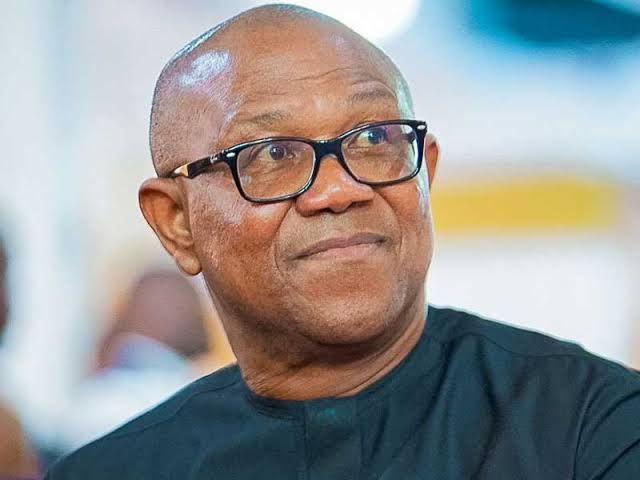
The Presidential Candidate of Nigeria Democratic Congress (NDC) Peter Obi has called for an independent audit of the Lagos-Calabar Coastal Highway project, demanding transparency over public expenditure, the extent of work completed and the authority behind reported alterations to the project.
Obi, through his media office, said Nigerians deserved clear answers about the project’s current status, particularly amid questions surrounding its scope and reported truncation.
In a statement issued on Tuesday and signed by the Peter Obi Media Office spokesman, Idris Zekeri Jnr, the former Anambra State governor reiterated his position that government spending should prioritise projects capable of delivering the greatest benefits to the largest number of Nigerians.
The statement revisited Obi’s earlier criticism of the coastal highway project, arguing that Nigeria’s deteriorating inland roads should receive greater attention before the government commits substantial resources to ambitious infrastructure developments.
According to the media office, Obi’s position was not opposition to infrastructure development but a call for responsible prioritisation, prudent spending and value for money.
The former presidential candidate’s media office raised questions about the amount spent on the highway, the work completed so far and the circumstances surrounding any changes to the project.
It also demanded clarification on who authorised the reported alterations and who would be held accountable if investigations established waste or mismanagement.
“Nigerians are entitled to clear answers. How much money has been spent? What has been completed? Who approved any alterations, and who will be held responsible for any waste or mismanagement established by the evidence?” the statement asked.
The media office maintained that major public infrastructure projects should be subjected to transparent scrutiny, insisting that public funds must be managed in the interest of citizens.
It called for an independent audit and a comprehensive account of the project’s present status to enable Nigerians to assess how public resources had been utilised.