By Abbanobi -Eku Onyekachi
Abuja
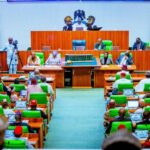
Critical stakeholders in the health sector on Thursday disagreed on the Senate’s move to establish a National Agency for Malaria Eradication. The disagreement came to the fore during a public hearing on the bill sponsored by Senator Ned Nwoko (Delta North).
The Chief State Counsel in the Federal Ministry of Justice, Imarha Reuben, argued that creating a new agency would duplicate existing ones and contradict the implementation of the Orosanye report. “The Federal Ministry of Justice is against the National Agency for Malaria Eradication (Establishment) Bill 2025 SB 172 to avoid duplication of functions of existing similar agencies,” he said.
Dr. Kolawole Maxwell, Chairman of the Malaria Technical Working Group in Nigeria, also opposed the proposed agency, suggesting that the government should focus on total elimination of malaria instead of eradication. He recommended housing the malaria program within a coordinated government structure to avoid fragmentation.
However, not all stakeholders shared the same view. The President of the Environmental Health Officers Association, FCT Chapter, Ismaila Haruna Dankogi, supported the move, saying it would help shift the country’s approach from curative to preventive. Dr. Chioma Amajoh, Executive Director of Community Vision Initiative, also backed the proposal, citing the need for coordinated action against malaria.
The President of the Senate, Godswill Akpabio, emphasized the need for institutionalized eradication backed by law, science, and accountability. The Chairman of the Committee, Senator Ipalibo Banigo (Rivers West), thanked stakeholders for their inputs and assured them of objective consideration of their submissions.
What are the potential implications of establishing a National Agency for Malaria Eradication in Nigeria, and how might it impact the country’s healthcare system?