By Mercy Aikoye
The National Public Hearing on the Review of the 1999 Constitution marks a significant moment in Nigeria’s democratic journey. President Bola Ahmed Tinubu has reaffirmed his administration’s commitment to constitutional reforms that will strengthen Nigeria’s institutions, promote justice, and guarantee fundamental rights.

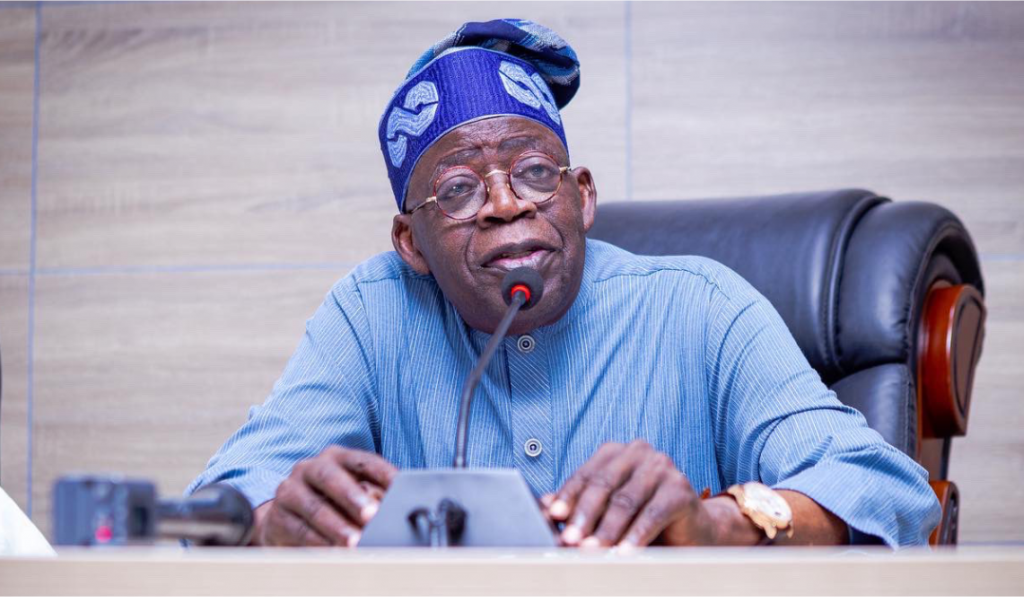
Tinubu described the ongoing constitutional review process as a “golden opportunity” to advance democracy and nation-building. “The Constitution is the supreme law of the land. It is not static, but a living document that must continually respond to the realities, aspirations, and challenges of our people,” he said.
The President commended the House of Representatives Committee on Constitution Review, chaired by Deputy Speaker Hon. Benjamin Kalu, for creating an inclusive platform that engages citizens, civil society, and traditional institutions in the amendment process. “I urge all participants to approach this exercise with a spirit of patriotism, responsibility, and constructive dialogue,” Tinubu said.
The Speaker of the House of Representatives, Hon. Abbas Tajudeen, highlighted several transformative amendments under consideration, including reserved seats for women and guaranteed representation for persons with disabilities. “Reform delayed is reform denied, and Nigerians deserve clarity and closure,” he said.
The Deputy Speaker disclosed that the committee received and compiled 87 amendment bills from nationwide public hearings and memoranda. Among the proposals are electoral reforms, devolution of powers, and local government autonomy. “The ultimate authority for this process resides with you, the sovereign people of Nigeria,” Kalu said.
Both leaders assured Nigerians that the process would be transparent, participatory, and shielded from political manipulation. “Constitutional reform is a marathon, not a sprint. Your continued engagement is crucial to see this through,” Kalu emphasized.
The hearing marks the final stage of public consultation before the National Assembly begins voting on the proposed amendments. If passed and ratified, Nigeria could soon witness its most sweeping constitutional overhaul since 1999, reshaping its governance, security, inclusivity, and democratic accountability for generations to come.