By Chesa Chesa
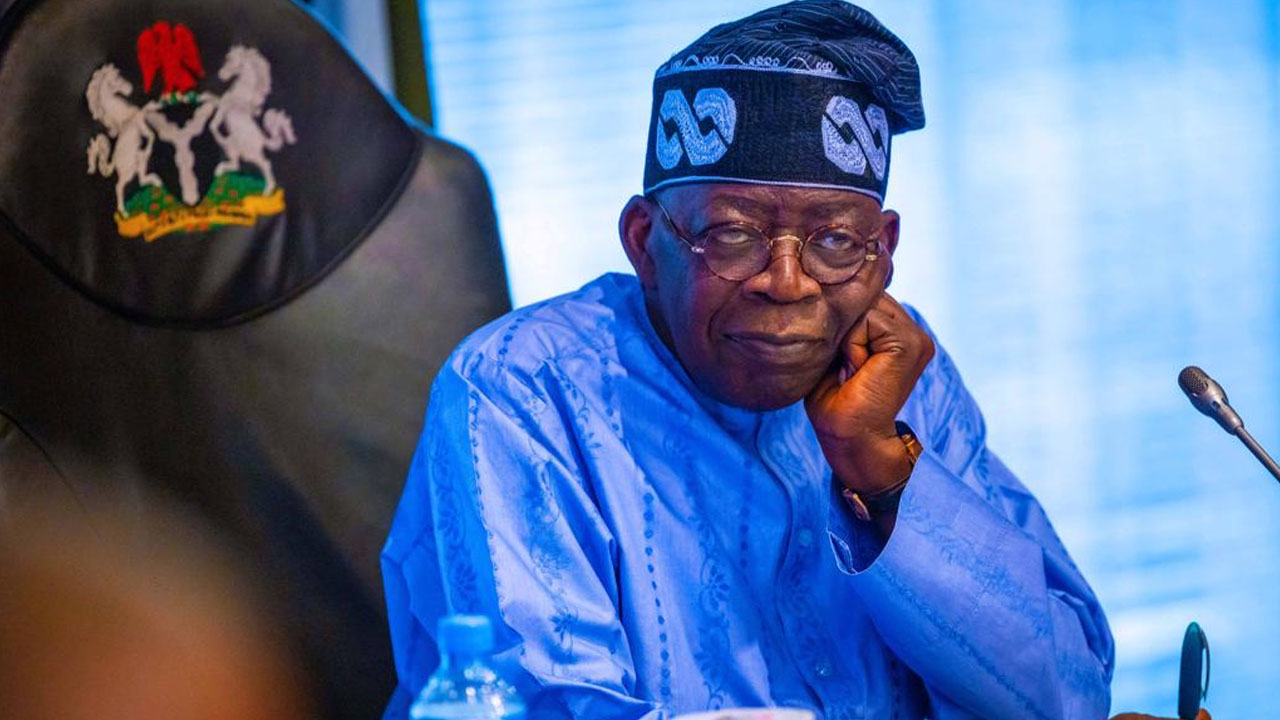
When the global chairman of Shell paid a courtesy visit to President Bola Ahmed Tinubu last week, it was more than a diplomatic gesture. It was a signal—one that Nigeria’s oil and gas sector, long weighed down by uncertainty and declining investment, may be edging back into global investors’ good books.
According to the Group Chief Executive Officer of the Nigerian National Petroleum Company Limited (NNPCL), Mr. Bayo Ojulari, the visit was primarily to thank the President for a series of Executive Orders issued early last year aimed at making Nigeria’s investment environment more competitive.
“The competition for investment is global. Other African countries, Guyana, the Far East—everyone is changing policies very dynamically to attract capital. Following the Petroleum Industry Act (PIA), it became clear that additional incentives were needed”, Ojulari explained. Those incentives, he said, have begun to deliver tangible results.
One of the earliest outcomes of the executive orders was Shell’s successful divestment of its onshore joint venture assets to Renaissance. While divestment is often viewed negatively, Ojulari said the transaction sent a powerful message to international investors.
“It showed the world the President’s commitment—not only to investors coming in, but also to their ability to exit when necessary. Investment is dynamic,” he said. That clarity and flexibility helped restore confidence, not just for Shell, but across the international investment community.
With the divestment concluded, Shell moved quickly to deepen its offshore footprint. Over the last 18 months, the company took a Final Investment Decision (FID) of about $5 billion on the Bonga North deepwater project, followed by another $2 billion investment in a shallow-water gas development project.
“In total, Shell alone has invested over $7 billion since these incentives were announced,” Ojulari noted. “And that’s just one company. You can imagine the multiplier effect.”
Perhaps the most striking takeaway from the visit was Shell’s forward-looking commitment. According to Ojulari, the company indicated its readiness to pursue investment opportunities worth as much as $20 billion in Nigeria over the next few years “This level of commitment comes from confidence—confidence in leadership, transparency, and the consistency of policy. Not just promises, but things investors can touch and feel”, he said.
Shell also discussed its next major target: the Bonga Southwest project. With a projected capital expenditure approaching $10 billion, the project represents one of the largest potential investments in Nigeria’s offshore sector in recent years.
Ojulari was quick to stress that the headline figures tell only part of the story. Large-scale oil and gas projects, he said, translate directly into jobs, local participation and industrial revival. “It means more Nigerians involved during construction. Fabrication yards that have been idle for years will come back to life,” he said, noting that many local investors have kept such facilities afloat despite years without major projects.
Beyond the construction phase, the benefits stretch decades into the future. Operating a project like Bonga Southwest would require manpower, maintenance services and material supplies for 20 to 30 years—the typical lifespan of such assets. “That’s sustained employment, sustained local content, and sustained economic activity,” Ojulari said.
As concession holder under Nigeria’s Production Sharing Contracts (PSCs), NNPCL sits at the intersection of government policy and international capital. Ojulari described the company’s role as both facilitator and watchdog.
“Our responsibility is to be the conscience of government and the conscience of Nigerians. We must ensure that the assumptions and promises made are correct and authentic”, he stated. He further explained that NNPCL continues to work closely with international partners—Shell, Chevron, ExxonMobil and Total—while engaging other arms of government to refine proposals that can secure presidential approval for future investment decisions.
The presence of Shell’s global chairman in Abuja, Ojulari said, underscored the seriousness of the moment. It was both an expression of gratitude and a statement of intent.
According to him: “Today was about Shell saying thank you to Mr. President for his ambition, transparency and personal commitment to improving the investment climate. But it was also about showing they are ready to continue investing in Nigeria.”
As global capital grows more selective, Nigeria’s challenge will be sustaining this momentum—turning renewed confidence into long-term economic gains. For now, the numbers, the projects and the renewed dialogue suggest the tide may finally be turning.