By Dr Lemmy Ughegbe
In Nigeria, government communication has long struggled with a credibility problem. Too often, it has been seen not as a channel for truth, but as a platform for managing perception, where official narratives compete uneasily with the lived realities of citizens. It is within this climate of scepticism that Mohammed Idris turns 60.
For decades, the office of the Minister of Information has been anything but neutral. It evolved into a defensive outpost of government where communication was often reactive, credibility fragile, and public trust, repeatedly bruised, grew increasingly scarce. Nigerians did not merely question official narratives; they learned, over time, to doubt them instinctively.
That erosion of trust did not happen overnight. It was built over years of inconsistencies, selective disclosures, and a communication culture that too often prioritised image over integrity.
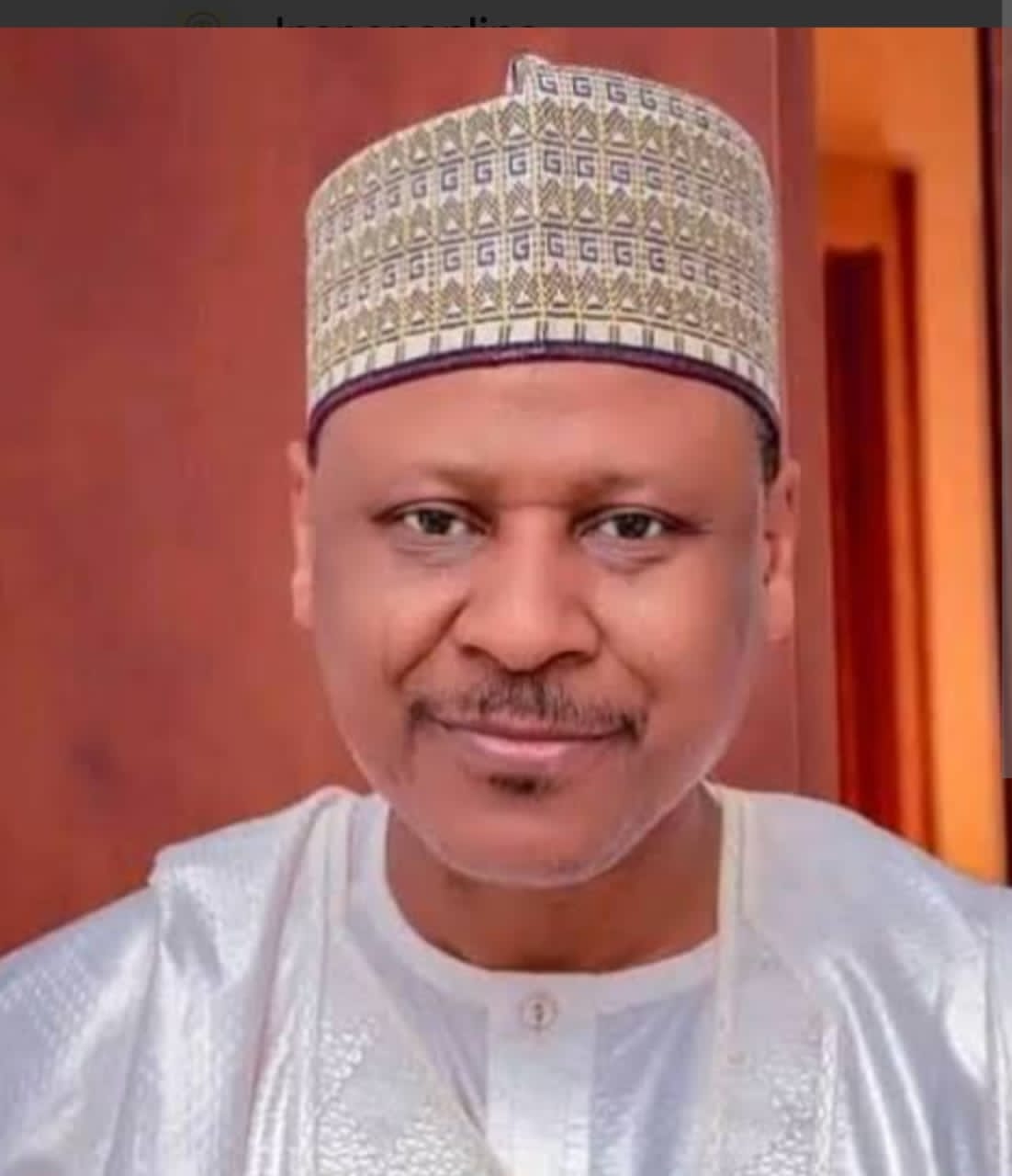
Against this historical backdrop, Mohammed Idris turns 60 and with that milestone comes a more important question: can a philosophy anchored on winning friends and building trust truly reshape Nigeria’s communication culture?
It is a question that demands more than polite applause. It requires scrutiny.
When Idris assumed office in August 2023, expectations were, understandably, modest. The ministry he inherited was weighed down by scepticism. Public communication had become less about informing citizens and more about managing outrage.
Yet, rather than attempting a dramatic reinvention, what has emerged under his watch is something more measured, a recalibration of tone.
This distinction matters.
Because in a country where trust in official communication is thin, credibility is not built through grand gestures, but through consistency. It is earned slowly, often quietly, and easily lost.
Idris’ approach appears to recognise this reality.
There has been a noticeable shift from outright defensiveness to more deliberate engagement. Where previous responses often leaned on denial or dismissal, there is now a greater attempt, however cautious, to clarify, respond, and manage narratives without immediately resorting to confrontation.
For Idris, the philosophy is clear: the task is not to create more enemies for government, but to win more friends for it.
This is not a trivial distinction. In a communication environment as polarised as Nigeria’s, a combative posture often deepens distrust, while a more measured approach, anchored on engagement, creates space, however limited, for credibility to take root.
One early test of this approach came with the controversy surrounding reports that Nigeria had entered into sensitive international agreements tied to social policy concessions. The potential for misinformation to spiral into public panic was high. The response, however, was not characterised by hostility, but by clarification, firm, but measured.
This may seem incremental. But in Nigeria’s communication landscape, incremental shifts can be consequential.
Still, it is important not to romanticise the moment.
The burden of any information minister is not merely to speak, but to be believed. And belief, in Nigeria’s context, is hard earned.
Citizens are no longer passive recipients of information. They interrogate, challenge, and, increasingly, verify independently. In such an environment, the old model of one directional communication is no longer sustainable.
What is required is not just messaging, but alignment between what government says and what people experience.
This is where the real test lies.
Because no matter how polished the communication is, it cannot outpace reality. Economic hardship, policy contradictions, and governance lapses cannot be explained away indefinitely. They must be addressed and communication must reflect that honesty.
To his credit, Idris has repeatedly emphasised truth as the cornerstone of public communication. Yet, as with all such declarations, the real measure is not in articulation, but in application.
Consistency will determine credibility.
Beyond the rhetoric, there is also the broader question of institutional reform.
Can the Ministry of Information evolve from a reactive communication hub into a strategic engine for public engagement? Can it move from crisis management to narrative shaping? Can it institutionalise transparency in a way that outlives individual leadership?
These are not abstract questions. They go to the heart of governance.
Because in modern democracies, communication is not an accessory to policy, it is part of policy. A reform that is poorly communicated is a reform that risks failure. A government that cannot explain itself effectively is a government that risks losing legitimacy, even when its intentions are sound.
This reality is particularly stark in Nigeria, where economic reforms, social tensions, and political contestations have heightened public sensitivity to government messaging.
In this context, the role of the information minister becomes even more critical, not as a defender of government, but as a bridge between policy and people.
At 60, therefore, Mohammed Idris stands at more than a personal milestone. He stands at an institutional crossroads.
The early signs suggest a departure, however cautious, from the excesses of the past. But departure is not destination.
The real challenge is consolidation.
Can this emerging communication style mature into a sustained culture of transparency? Can it withstand political pressure? Can it resist the temptation, so common in governance, to prioritise short term optics over long term credibility?
These are the questions that will ultimately define his legacy.
Because in the end, the success of any chief image maker is not measured by how well he defends government, but by how much trust he builds between government and the governed.
For if his guiding philosophy truly holds, that the task is not to create more enemies for government, but to win more friends for it, then the real victory will not lie in controlling narratives, but in earning belief.
And in Nigeria today, belief is everything.
Dr Lemmy Ughegbe, FIMC, CMC
Email: lemmyughegbeofficial@gmail.com
WhatsApp ONLY: +2348069716645