By Mercy Aikoye
The Bank of Agriculture (BoA) has proposed a strategic partnership with members of the House of Representatives to drive mechanised farming across Nigeria’s 360 federal constituencies as part of efforts to boost food production, create jobs, and tackle poverty.
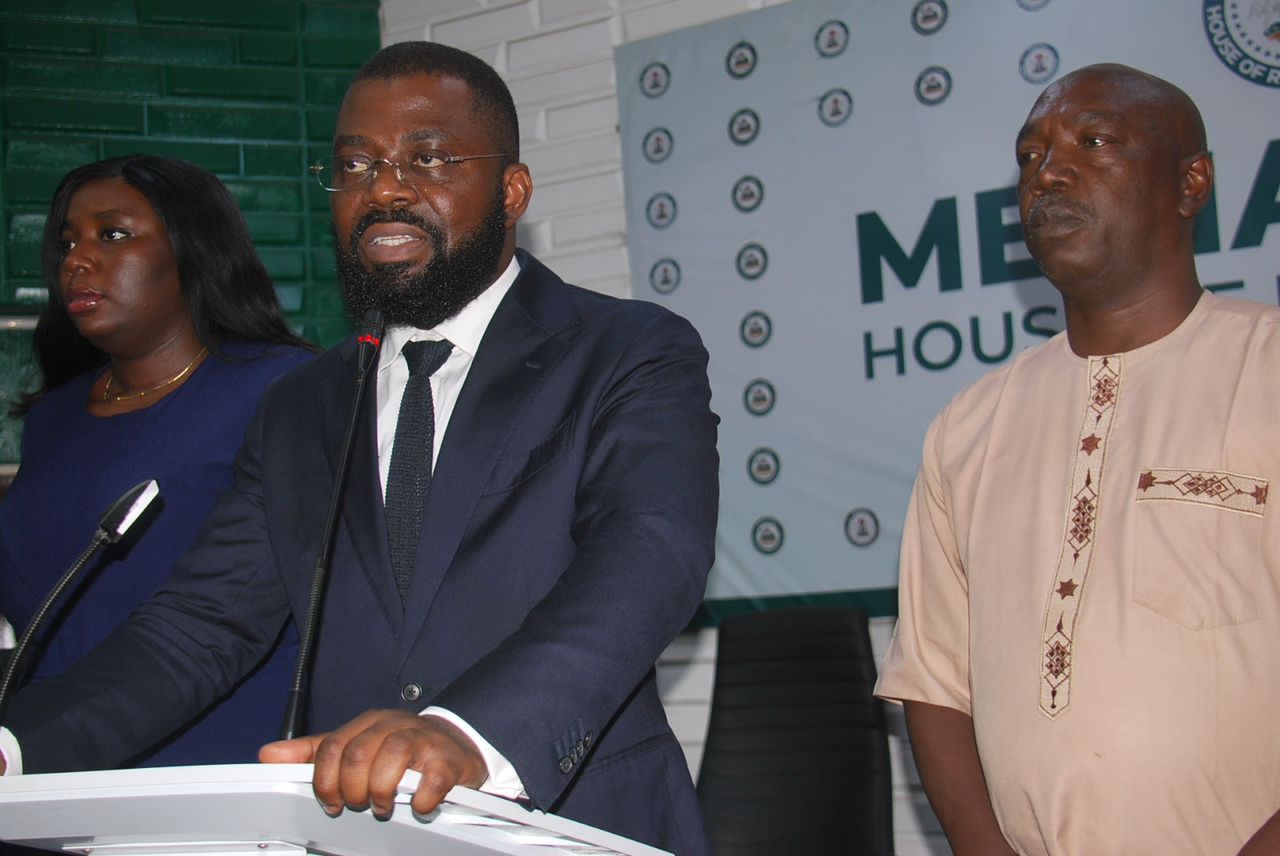
Managing Director of the bank, Ayo Sotinriade, unveiled the initiative during Tuesday’s plenary session at the House of Representatives in Abuja.
Sotinriade said the programme is designed to transition Nigeria from subsistence agriculture to large-scale commercial farming while improving access to modern agricultural tools for farmers at the grassroots.
According to him, lawmakers participating in the scheme will contribute 60 percent of the cost of acquiring tractors, which will then be deployed to their respective constituencies for use by local farmers.
“Once a member acquires the tractor, they will also provide secured land where we will establish a farming hub,” he said.
He explained that each tractor has the capacity to cultivate five hectares of land per hour and up to 600 hectares annually. With an estimated deployment of 2,000 tractors nationwide, the bank projects that about 1.2 million hectares of farmland could be mechanised every year.
Beyond tractor deployment, the proposed farming hubs will offer a range of agricultural services including access to farm inputs, irrigation systems, produce aggregation, financing, and extension services.
Sotinriade noted that the initiative is expected to increase crop yields to above two tonnes per hectare while enabling year-round farming through irrigation, with farmers projected to achieve at least three farming cycles annually.
“If this is achieved, it will go a long way in lifting people out of multidimensional poverty,” he said.
He added that the programme could also help reduce insecurity by addressing unemployment and low income, which he described as major drivers of social unrest.
The BoA boss further said the initiative is structured to promote economic inclusion by reducing the number of Nigerians dependent on the social register and creating sustainable income opportunities.
He noted that internally displaced persons (IDPs), particularly in states such as Borno and Benue, stand to benefit from the programme through access to farming opportunities and economic reintegration.
Sotinriade expressed optimism that the mechanisation plan would strengthen Nigeria’s food security drive and position the country as a net exporter of agricultural produce.
He added that the bank would oversee a tractor booking system to ensure transparency and efficient utilisation of the equipment nationwide.