By Stella Odueme
For thousands of residents in Kugbo, a fast-growing community in the Federal Capital Territory (FCT), the arrival of a monthly electricity bill has become a source of anxiety rather than a routine expense.
While some households pay only for the electricity they consume through prepaid meters, many others without meters say they are trapped under the burden of estimated billing, often receiving charges they describe as excessive and disconnected from the actual power supplied.
The situation has renewed calls for accelerated metering across Nigeria, with consumer groups insisting that universal access to affordable prepaid meters remains one of the most effective ways to protect electricity consumers from arbitrary billing.
A tale of two neighbours
In Kugbo, the contrast is stark as residents alleged that households without prepaid meters routinely receive monthly estimated bills running into tens of thousands of naira despite experiencing frequent power outages. In contrast, neighbours with prepaid meters reportedly spend far less because they pay strictly for the electricity they consume.
Mr. Samuel Eze, one of the affected residents, said his family receives estimated bills exceeding ₦30,000 every month even though electricity supply is often erratic.
“The difference is obvious. Those with prepaid meters only pay for what they actually use, while the rest of us are forced to pay whatever amount appears on the bill,” he said.
Another resident, Mrs. Aisha Mohammed, appealed to the Nigerian Electricity Regulatory Commission (NERC) to ensure electricity distribution companies provide prepaid meters to customers who have repeatedly applied without success.
For many families, the issue goes beyond electricity bills, it affects household budgets already stretched by inflation, transportation costs and rising food prices.
Electricity experts say prepaid meters are one of the strongest consumer protection tools in the power sector because unlike estimated billing, which relies on projected consumption, prepaid meters accurately record electricity usage, ensuring customers pay only for energy actually consumed.
According to Mr. Micheal Owoicho, this system offers several advantages such as; eliminates arbitrary and inflated bills; promotes transparency between customers and electricity distribution companies; helps households monitor and manage electricity consumption; reduces billing disputes as well as improves confidence in the electricity market.
Consumer advocates, like Engr. Abass Oyindamola argued that widespread metering also benefits distribution companies by improving revenue collection, reducing energy theft and strengthening customer trust.
According to NERC, customers without prepaid meters are placed on estimated billing, although the Commission has introduced energy caps to limit excessive charges.
However, many consumers continue to complain that estimated bills remain significantly higher than their actual electricity consumption.
NERC’s metering factsheet explains that active customers are those who have purchased electricity or received bills within the previous 12 months.
The Commission also noted that the number of metered customers continues to increase as more meters are installed, but overall metering rates can still remain low because the number of electricity consumers continues to grow rapidly.
Despite several metering programmes introduced over the years, millions of Nigerian electricity consumers remain without prepaid meters.
The shortage has remained one of the biggest challenges confronting the country’s electricity sector and has contributed to persistent disputes between customers and electricity distribution companies.
Recognising the challenge, the Federal Government has intensified efforts to close the metering gap through the Presidential Metering Initiative (PMI).
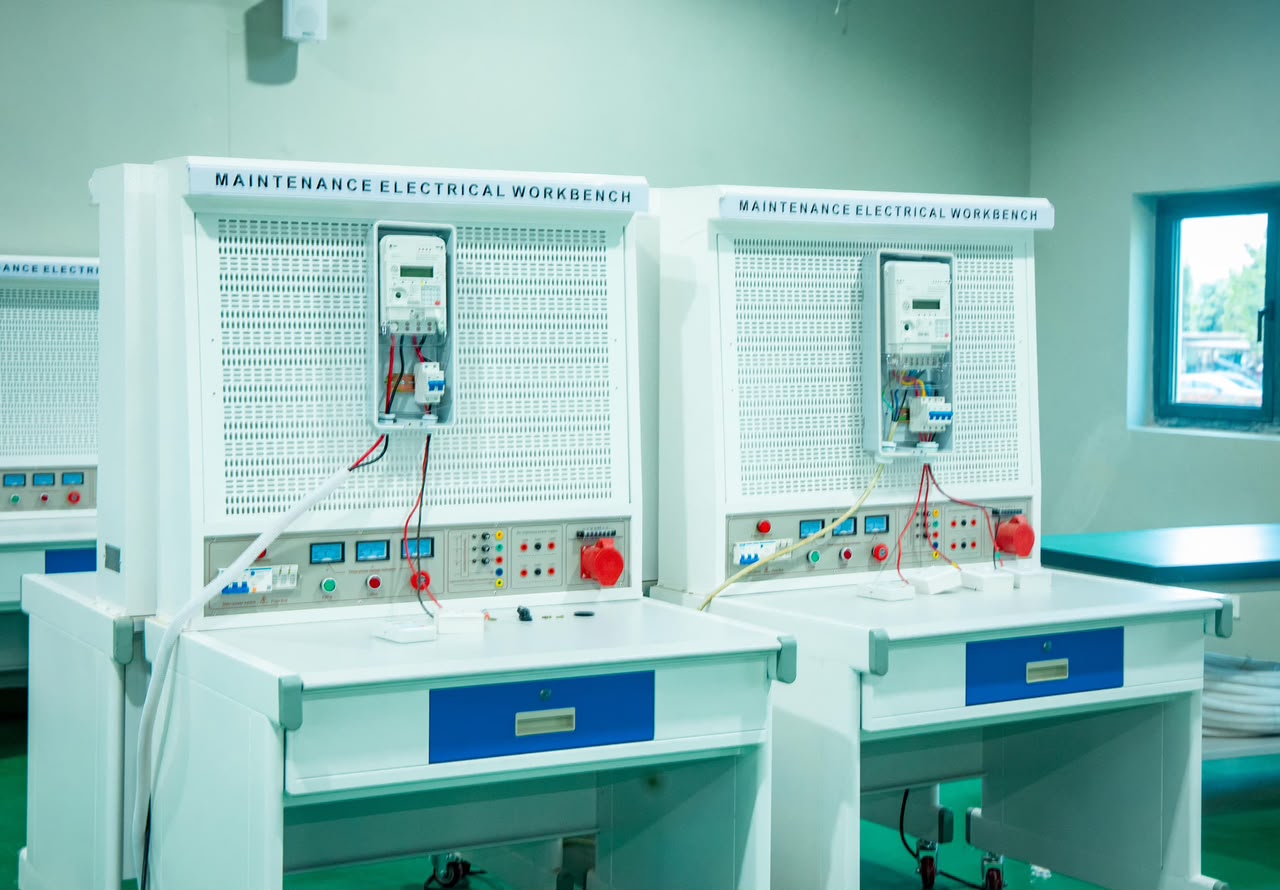
In a major step towards expanding electricity metering nationwide, the Federal Government recently launched the Power Force programme, an initiative aimed at training 5,000 certified meter installers.
The programme forms part of the Presidential Metering Initiative launched by President Bola Ahmed Tinubu to accelerate the deployment of seven million smart electricity meters across Nigeria.
At the inauguration in Abuja, Minister of Power Joseph Tegbe said the initiative is about more than technology.
According to him, the country requires thousands of skilled technicians to install millions of smart meters while simultaneously creating employment opportunities for young Nigerians.
The Executive Secretary of the Presidential Metering Initiative, Olu Verheijen, described the programme as the largest metering initiative in Nigeria’s history, designed to ensure that every Nigerian pays only for electricity actually consumed.
Upon completion of their training, participants will be certified by the Nigerian Electricity Management Services Agency (NEMSA) and deployed across the country’s six geopolitical zones.
While expanding installation capacity is a welcome development, stakeholders believe success will largely depend on making prepaid meters readily available and affordable for consumers as many Nigerians still complain about delays in obtaining meters after submitting applications, while others say they cannot afford the cost where payment is required.
Consumer rights groups argued that the government should work with electricity distribution companies, meter manufacturers and financial institutions to ensure customers can obtain meters quickly through subsidised pricing, instalment payment plans or other affordable financing arrangements.
Reducing the cost of meters, they say, will encourage more households to embrace prepaid metering and significantly reduce dependence on estimated billing.
On its part, AEDC said metering remains one of its highest operational priorities as it intensifies efforts to bridge the metering gap across its franchise area and ensure customers are billed accurately for the electricity they consume.
Head of Brand Marketing and Corporate Communications at AEDC, Omede Odekina, disclosed this while outlining the company’s ongoing initiatives to accelerate meter deployment and improve customer experience to The Authority on Thursday.
According to Odekina, AEDC is implementing multiple metering programmes aimed at reducing reliance on estimated billing, improving billing transparency and providing eligible customers with reliable metering solutions.
He said one of the key initiatives is the deployment of smart meters under the Federal Government’s Distribution Sector Recovery Programme (DISREP), a World Bank-supported intervention designed to significantly reduce the national metering gap and enhance service delivery by electricity distribution companies.
Odekina explained that the smart meter rollout is being carried out in phases across AEDC’s franchise area, with installations based on approved deployment schedules, customer eligibility and network readiness.
He noted that the smart meters offer more accurate billing, better visibility of electricity consumption and improved service reliability.
He added that AEDC is also continuing the implementation of the Nigerian Electricity Regulatory Commission (NERC)-approved Meter Asset Provider (MAP) Scheme, which enables customers to obtain meters through accredited Meter Asset Providers.
According to him, the company is working closely with its MAP partners to improve meter availability, increase installation capacity and reduce waiting times for customers awaiting meter installations.
Odekina further stated that customers who have already applied for meters remain a priority, with installations being carried out progressively based on meter availability, technical assessments, network readiness and approved deployment plans.
He said more installations would be undertaken across AEDC’s Business Units as additional meters become available.
To improve access, he said customers can apply for meters through any AEDC Customer Care Centre, accredited Meter Asset Providers or the company’s digital customer engagement platforms, adding that the application process has been streamlined to make it more efficient while maintaining necessary verification procedures.
The AEDC spokesperson also highlighted the company’s collaboration with NERC, meter manufacturers, Meter Asset Providers and other industry stakeholders to strengthen the metering value chain, improve meter availability and ensure compliance with regulatory standards.
Odekina reaffirmed AEDC’s commitment to reducing dependence on estimated billing through sustained investment in metering and other customer service improvement initiatives.
He urged customers who have applied for meters to keep their application details and contact information updated to facilitate communication and installation as meter deployment progresses.
“AEDC remains committed to delivering a more transparent, customer-centric and efficient electricity distribution service through sustained investment in metering and other service improvement initiatives,” he said.
Experts also urged electricity consumers to become more proactive in demanding their rights.
For instance, Mrs. Blessing Idahosa encouraged customers to apply officially for prepaid meters through their distribution companies; keep records of all meter applications and correspondence; report excessive estimated bills to NERC through established complaint channels as well as escalate unresolved disputes to NERC’s forum offices where necessary.
Consumers are equally advised to avoid illegal connections or meter bypass, which remain criminal offences.
No doubt, universal metering is increasingly seen as the foundation of a transparent and accountable electricity market.
For communities like Kugbo, the hope is that every household will soon have access to a prepaid meter, ending years of disputes over estimated bills.
As the Federal Government accelerates smart meter deployment and trains thousands of installers, stakeholders say equal attention must be given to making meters available at reasonable cost and ensuring electricity distribution companies install them promptly.
Only then can millions of Nigerians be assured that they are paying for what they consume—and not for what is merely estimated.