- N1.4trn lost via auditing irregularities
By Chesa Chesa
The Paradigm Leadership Support Initiative (PLSI) has renewed its call for the enactment of a modern Federal Audit Law, saying Nigeria cannot effectively safeguard public resources and improve service delivery without a stronger legal framework for public auditing.
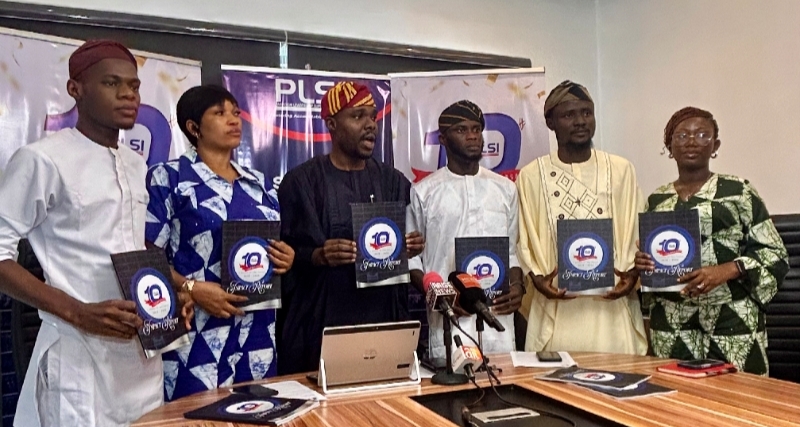
The Founder and Executive Director of PLSI, Olusegun Elemo, made the call in Abuja on Wednesday as the organisation marked its 10th anniversary – October 1, 2026.
Elemo said PLSI was established in 2016 in response to concerns over weak public accountability, limited access to audit reports and the capacity of public institutions to ensure that government resources translated into better outcomes for citizens.
He said that while there had been progress in public audit transparency over the past decade, significant gaps remained.
He lamented that the Federal Government has been implementing national budgets running into trillions of Naira since 2016 when PLSI was founded, without a federal audit law, while the country in 2026 is implementing a N68 trillion budget without such legislation.
He said the 2024 Federal Audit Report on Non-Compliance and Internal Control Weaknesses in Ministries, Departments and Agencies identified more than N1.39 trillion in financial irregularities and control failures.
The irregularities, he said, included unsupported payments, unremitted revenues, irregular contracts and other weaknesses across federal institutions.
“The greater challenge today is how to institutionalise public accountability that ensures Nigeria’s audit system consistently produces fiscal guardrails, recovery, consequences, reform and effective services to citizens,” Elemo said.
He urged President Bola Tinubu to act on the Federal Audit Service Bill and provide the country with what he described as a modern legal framework for public auditing.
The PLSI boss said the organisation would focus more strongly on performance auditing in the next decade, arguing that accountability should go beyond determining whether public funds were properly spent.
“Citizens do not experience governance through audit reports, budget documents or policy statements alone. They experience it through the quality of the schools their children attend, the hospitals they rely on, the roads they travel, the water they have access to, the security they receive, the jobs and opportunities available to them, and the quality of public services delivered in their communities”, he said.
Ahead of the 2027 general elections, Elemo called for greater emphasis on policy and measurable development outcomes in political campaigns.
He said candidates seeking elective offices should present voters with costed manifestos outlining the problems they intended to address, how they planned to address them, the cost of their proposals and how the plans would be financed.
He also called on citizens to reject violence, vote buying, vote selling, intimidation, disinformation and divisive politics.
Political parties and candidates, he said, should place issues, policies and development outcomes at the centre of their campaigns, while institutions responsible for managing and securing elections should uphold professionalism, impartiality and the rule of law.
Over the past decade, Elemo said PLSI had invested in research, institutional strengthening, citizen engagement, policy advocacy and civic technology.
He listed its initiatives to include the annual Subnational Audit Efficacy Index, Nigeria Accountability Summit, Women in Public Sector Audit in Nigeria Leadership Dialogue, Value for Money, Resource Benefits, Policy Tracker, ÀDÉHÙN and the Emissions Monitoring and Accountability Tool.
Looking ahead, Elemo said PLSI’s next decade would focus on strengthening the connection between public resources and public outcomes, institutions and consequences, elections and governance, as well as citizens and decisions that affect their lives.