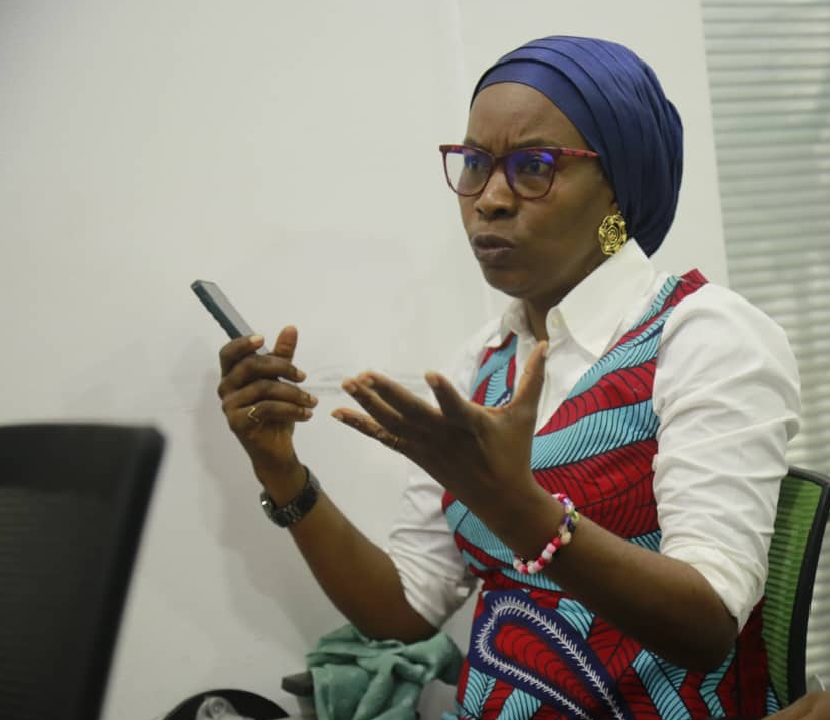
By Chika Jadesola Orji
As Nigeria marks another Independence Day, the national conversation around moving from reform to prosperity offers an important opportunity to reflect on what prosperity should mean for those at the heart of our food systems.
Agriculture and food production featured prominently in the national address, including the importance of increasing production, improving irrigation and mechanisation, reducing post-harvest losses, strengthening storage and transportation, and connecting farms to markets.
These are important priorities. Yet, one dimension deserves greater attention: the smallholder women farmers whose labour, knowledge and enterprises are critical to Nigeria’s agri-food systems.
The reference to “farmers” as a general category is important, but a gender-neutral framing can overlook the different barriers women farmers face in accessing land, finance, inputs, mechanisation, extension services, markets, storage and productive infrastructure. These differences matter if national investments are to translate into inclusive and sustainable prosperity.
The same applies to climate resilience. Increasing agricultural production must go hand in hand with building climate-resilient food systems. For women farmers, this means more than climate-smart technologies. It requires accessible climate finance, appropriate extension and knowledge services, resilient infrastructure, water management, post-harvest infrastructure, aggregation and processing facilities, and reliable routes to markets.
Nigeria has already recognised the importance of this direction through the Revised National Gender Policy on Agrifood Systems Transformation and its 2025–2030 Strategic Plan, which seeks to make the agricultural ecosystem more gender-responsive and resilient.
The policy question, therefore, is not simply whether we produce more food, but who produces it, who has access to the resources required to produce it, who bears the losses, who benefits from value addition, and whether the systems around production are resilient enough to withstand climate and economic shocks.
For me, the pathway from reform to shared prosperity must therefore include a deliberate pathway:
•• From production to protection.
•• From protection to value addition.
•• From value addition to resilience.
•• And from resilience to shared prosperity.
As we celebrate Nigeria’s independence, may our national commitments increasingly translate into tangible investments that reach the last mile, the farms, markets and communities where food security and livelihoods are built every day particularly for the smallholder women farmers who remain central to Nigeria’s food future.
Chika Jadesola Orji
Policy, Gender, Diplomacy and International Development Practitioner,
Food Systems and Post-Harvest Loss Policy Specialist, and Climate Resilient Food Systems Advocate,
Fellow, African Women in Agricultural Research and Development (AWARD)
Fellow, African Transformer Institute,(ATI)
Chairperson, Peace and Security Committee
Diplomatic Assembly