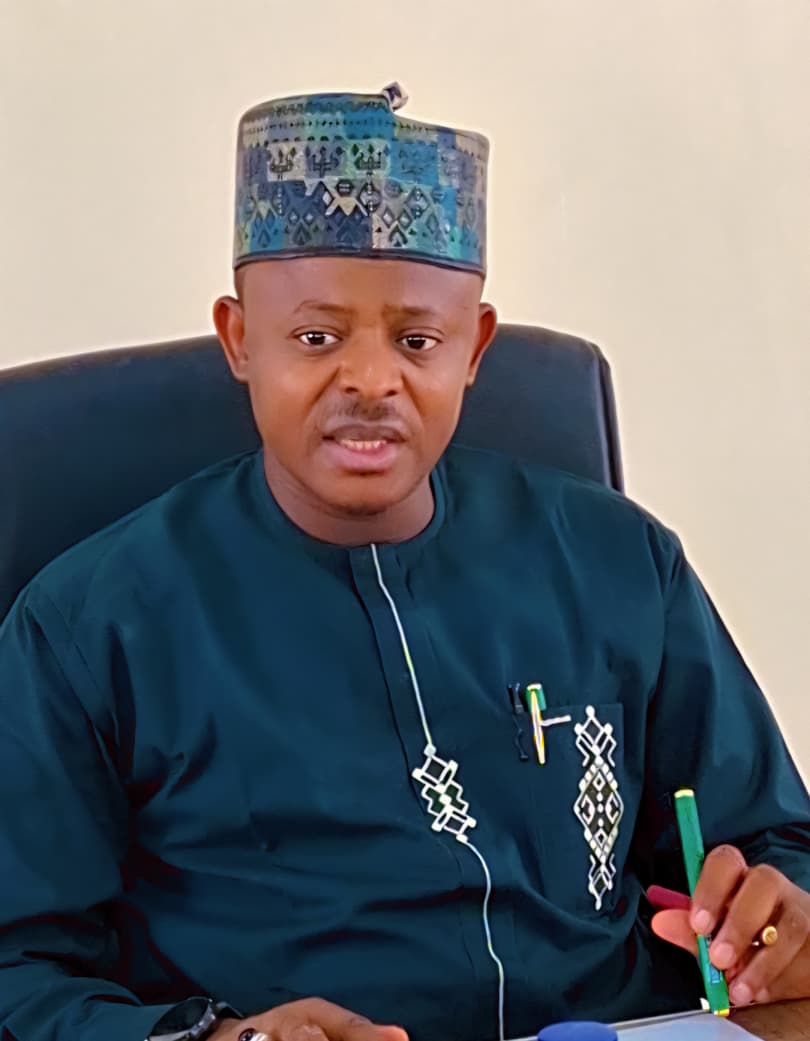
By Engr. Inuwa Ibrahim
Across the world, modern cities are increasingly embracing the concept of multimodal transportation systems, an integrated approach that combines buses, rail, non-motorised mobility and alternative energy transport into one coordinated urban network. From London to Dubai, from Lagos to Kigali, city planners now understand that no single transport system can efficiently serve growing urban populations. Efficient cities depend on interconnected mobility systems that reduce congestion, improve productivity and enhance quality of life. Kaduna is gradually positioning itself within this modern urban thinking.
The administration of Governor Uba Sani is determined to transform Kaduna from a city struggling with chaotic urban transportation into a modern investment destination driven by efficient mobility and infrastructure renewal. The state’s emerging transport vision built around Bus Rapid Transit (BRT), rail transportation and Compressed Natural Gas (CNG) buses reflects an understanding that transportation is central to economic growth and urban competitiveness.
Importantly, the timing could not be better.
With recent constitutional and policy changes by the Federal Government removing rail transportation from the exclusive control of federal authorities, states now have greater freedom to develop and operate rail systems independently or in partnership with private investors. This reform has opened a new chapter in Nigeria’s urban development journey. States no longer have to wait endlessly for federal bureaucracy before pursuing rail infrastructure capable of transforming their economies.
Kaduna is wisely moving to take advantage of that opportunity. Historically, Kaduna was one of Nigeria’s best planned cities. Built as an administrative and railway centre, it possessed broad roads, organised layouts and strong industrial potential.
This is why Kaduna’s current transport modernisation efforts deserve serious attention. The proposed BRT system could significantly improve intra-city movement. Around the world, BRT systems have become practical solutions for rapidly growing cities because they move large numbers of people efficiently while reducing road congestion. For ordinary residents, this means safer, cleaner and more reliable transportation. It also means dignity in public commuting, something largely absent in many Nigerian cities today.
Significantly, the planned BRT corridor will run from Kawo through the heart of Kaduna metropolis to Sabon Tasha. This strategic route connects some of the city’s busiest residential, commercial and administrative districts, creating a transport spine capable of moving thousands of passengers daily while easing pressure on existing roads.
For workers and students especially, the benefits could be enormous. The state government has already introduced 100 CNG buses that have provided free transportation services to thousands of residents over the past year. A functional BRT network supported by modern terminals and organised routes would further reduce stress, improve punctuality and lower transportation costs over time.
Equally important is the government’s focus on rail transportation. The proposed Kaduna Light Rail project will consist of approximately 50 kilometres of rail infrastructure and is expected to be completed within 48 months. The urban rail system is expected to operate through two major corridors. The first route, designated as the Red Line, will connect Rigachikun, Kawo and Sabon Tasha, while the second corridor will link Millennium City, Rabah Road and Rigasa. Together, these routes will create an integrated transport network where rail and bus services complement one another. Such integration is the hallmark of modern cities that prioritise efficiency and long-term planning.
Modern rail systems are not merely symbols of development; they are economic engines. Efficient rail networks attract industries, support commerce and stimulate urban expansion. Kaduna’s strategic location between Abuja and the wider northern economic corridor places it in a strong position to become a logistics and industrial hub if modern rail connectivity is fully developed.
The state government’s decision to combine rail and BRT development demonstrates an appreciation of multimodal transportation planning. Rather than treating transport projects as isolated interventions, the administration appears to be building a coordinated system capable of serving the city’s future growth.
Another important component of this vision is the development of what is projected to become the largest bus terminal in West Africa, currently under construction in Millennium City. Beyond serving as a transport hub, the facility is expected to become a major centre for commerce, passenger services and regional connectivity, reinforcing Kaduna’s position as a transportation gateway for Northern Nigeria.
Perhaps even more significant is the state’s development of a comprehensive transportation policy. Apart from Lagos State, Kaduna is among the few states in Nigeria with a dedicated transport policy framework designed to guide planning, regulation and investment in the sector over the coming years. Such policy direction is critical because sustainable transportation systems require long-term planning that extends beyond political tenures.
The state’s interest in CNG buses also reflects practical foresight. Nigeria’s rising fuel costs have placed enormous pressure on both transport operators and commuters. CNG offers a cheaper and cleaner alternative capable of reducing operating costs and environmental pollution simultaneously. For a country with abundant gas resources, expanding gas-powered transportation is long overdue.
Importantly, the government has already acquired and deployed 100 CNG-powered buses to ease transportation challenges across Kaduna State. The Kaduna Subsidized Transport Scheme (KSTS) initiative is providing free transport relief to commuters while supporting the broader objective of building an affordable, environmentally friendly and efficient public transport system. It also demonstrates that the administration’s transportation agenda is not confined to future plans but is already delivering tangible benefits to residents.
Beyond Kaduna metropolis, transportation improvements are extending to other major urban centres across the state. The construction of 200 modern bus stops and CNG stations is ongoing in cities such as Zaria, Kafanchan and other strategic towns. These facilities are expected to improve passenger safety, organise public transport operations and reduce the daily challenges faced by commuters.
Beyond transport itself, the broader implications are significant. Cities compete globally for investment, talent and economic relevance. Investors look beyond speeches and political promises; they study infrastructure, urban efficiency and mobility systems. A city with organised transportation sends a powerful message of stability, planning and seriousness.
Kaduna’s evolving urban transport under Governor Uba Sani therefore represents more than movement from one point to another. It is about rebuilding confidence in the city itself.
There is also an important social dimension. Urban frustration often grows where public services collapse. Chaotic transportation affects productivity, family life and even mental wellbeing. By attempting to create a more organised urban environment, the Kaduna State Government under the the leadership of His Excellency Senator Uba Sani is addressing not only infrastructure deficits but also the everyday dignity of citizens.
The fact that the project is expected to be officially flagged off before the end of July signals the administration’s desire to move from planning to implementation. For many residents, that transition from concept to construction will be the true measure of commitment and seriousness.
Naturally, implementation will determine success. Nigerians have witnessed ambitious projects abandoned midway or weakened by corruption, poor regulation and weak maintenance culture. The government has put in place all mechanisms for transparency, affordability and continuity. Public transport must remain accessible to ordinary workers, students and low-income residents rather than becoming an elite urban service.
Yet even with those challenges, the direction remains commendable.
At a time when many states remain trapped in short-term politics, Kaduna appears to be thinking strategically about the future of urban living. The embrace of multimodal transportation, the construction of a 50-kilometre light rail network, the development of West Africa’s largest bus terminal, the adoption of a transport policy framework and the expansion of commuter infrastructure across the state place Kaduna within the framework of modern cities preparing for population growth, economic competition and environmental sustainability.
We assure Kaduna people that we Will sustain the projects with discipline and professionalism to make Kaduna a model for urban transportation reform in Northern Nigeria.
And for a city long known for its strategic importance, that transformation could mark the beginning of a new era.
Engr. Ibrahim is the Managing Director of the Kaduna Line and Acting Director General, Kaduna State Transport Regulatory Authority (KADSTRA)