By Jane Okeke
The Independent National Electoral Commission (INEC) has ruled out allowing artificial intelligence to determine the outcome of Nigeria’s 2027 general election, warning that technology must support democracy without replacing human judgment in critical electoral decisions.
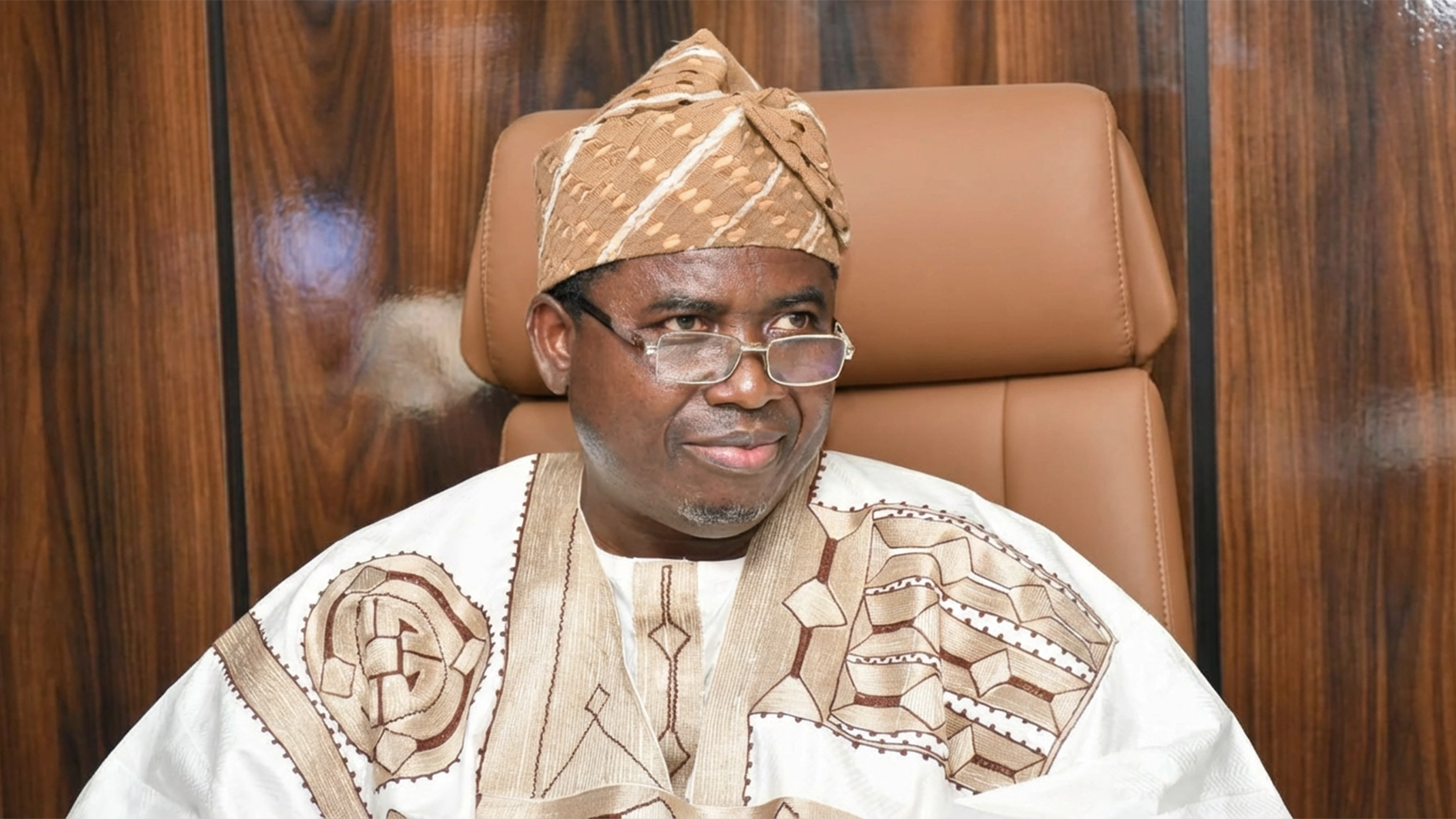
INEC Chairman, Professor Joash Amupitan, SAN, gave the assurance at the AI and Democracy Forum 2026 in Abuja, where electoral officials, technology companies, journalists, civil society groups and policymakers examined how artificial intelligence could influence the next general election.
Amupitan said the authority to determine Nigeria’s political future rests with its people, insisting that no critical electoral decision involving voter accreditation, result collation or candidate qualification would be left entirely to automated systems.
The three-day forum, held from October 14 to 16, was jointly convened by INEC, Yiaga Africa, the Centre for Journalism Innovation and Development, and Dataphyte Foundation, with discussions focused on deepfakes, fabricated announcements, online disinformation and the manipulation of digital platforms.
Participants warned that AI-generated images, cloned voices and misleading election content could deceive voters, undermine confidence in genuine evidence and disrupt informed participation. They also stressed that weak institutions and inadequate preparedness could pose greater risks than the technology itself.
In response, INEC announced plans to finalise an election-specific AI governance framework, adopt a binding human oversight principle and strengthen cybersecurity against digital attacks. The commission also proposed an Electoral Information Integrity Coalition involving civil society organisations, editors, fact-checkers, media and telecommunications operators.
Technology giant Microsoft, meanwhile, committed to uploading INEC’s final list of candidates for the 2027 elections into its systems and databases to help restrict the generation of misleading synthetic images of candidates, in line with its commitments under the 2024 Tech Accord to Combat Deceptive Use of AI in Elections.
The forum also recommended independent audits of election technology, transparent results-management procedures and human verification of AI-flagged irregularities. Political parties were urged to reject deceptive AI-generated campaign content, while digital platforms were asked to improve political advertising transparency and strengthen moderation in Nigerian languages.
At the regional level, the ECOWAS Network of Electoral Commissions committed to finalising unified guidelines for responsible AI use in West African elections. Participants called for stronger digital literacy, local innovation and judicial preparedness, stressing that technology must strengthen electoral transparency and public trust rather than threaten the credibility of the 2027 vote.