By Chesa Chesa
A new policy analysis by Nigerian think tank – Nextier – has warned that the killing of notorious ISWAP commander Abu-Bilal al-Minuki, though a major tactical victory for Nigeria and its international allies, may not automatically translate into lasting security gains in the country’s North-East.
In its latest public security report titled “Beyond the Strike: Assessing the Strategic Implications of the Killing of Abu-Bilal al-Minuki,” Nextier said the elimination of the insurgent leader has created both opportunities and fresh security risks across the Lake Chad Basin and the wider Sahel region.
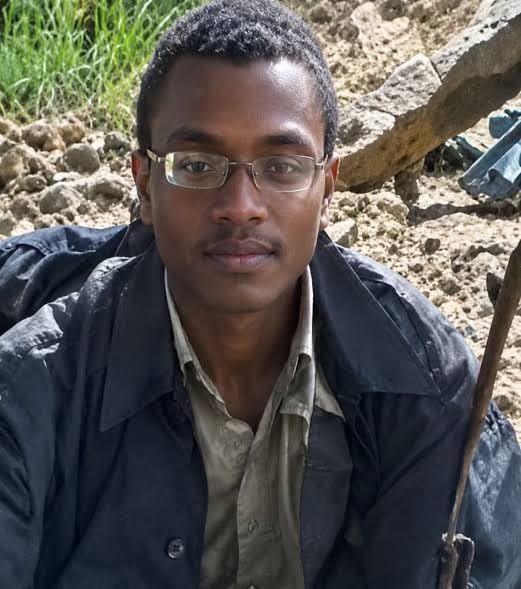
The report was authored by Joshua Biem, a Senior Policy and Research Analyst at Nextier. He is a first-class graduate of International Relations and Diplomacy from Afe Babalola University, Ado-Ekiti, Ekiti State; as well as Dr. Ndu Nwokolo, a Managing Partner at Nextier and a Reader – Associate Professor – at the Institute for Peace, Security and Development Studies, Nnamdi Azikiwe University, Awka, Nigeria. He is also a Senior Scholar at the Centre for Intelligence, Security and Peace Studies, Coal City University Enugu, Nigeria.
They stressed that while the death of al-Minuki marked a major counterterrorism milestone, sustainable peace would depend on Nigeria’s ability to convert tactical gains into broader political, economic, and governance reforms.
Abu-Bilal al-Minuki, also known as Abu-Mainok, was reportedly killed on May 16, 2026, during a joint air-land operation conducted by Nigerian troops under Operation HADIN KAI and the United States Africa Command (AFRICOM) in Metele, Borno State.
According to the report, the operation was described by Nigeria’s Defence Headquarters as “the single most consequential counterterrorism outcome in the North East Theatre since the inception of Operation HADIN KAI.”
The report noted that al-Minuki was a senior figure within the Islamic State West Africa Province (ISWAP) and had become deeply embedded in the global ISIS structure following the disappearance of former ISWAP commander Mamman Nur in 2018.
It stated that his death disrupted ISWAP’s financial and operational networks, particularly as he reportedly coordinated funding flows for the terrorist group across the Sahel and the Lake Chad Basin.
However, the analysts cautioned that the development could also intensify rivalry between ISWAP and its long-time jihadist competitor, Jama’atu Ahlis Sunna Lidda’awati wal-Jihad (JAS), popularly known as Boko Haram.
The report observed that JAS, under the leadership of Bakura Doro, had already regained territories in parts of the Lake Chad islands and could exploit ISWAP’s temporary weakness to launch fresh offensives.
It warned that renewed inter-jihadist clashes could trigger increased attacks on civilians and further displacement in vulnerable communities around Borno State and neighbouring border areas.
The report further highlighted growing concerns over the regional implications of the strike, especially amid weakening multinational security cooperation in the Sahel.
According to the analysts, the withdrawal of Nigerien military forces from multinational operations had created operational gaps that extremist groups may exploit for recruitment, logistics, and cross-border movement.
The policy paper also stressed that military victories alone would not end insurgency in Nigeria without addressing governance failures, poverty, unemployment, and humanitarian crises that continue to fuel recruitment into armed groups.
“Military operations alone cannot defeat an insurgency,” the report stated, adding that insurgent groups like ISWAP have gained influence partly by establishing alternative governance systems in neglected communities.
The think tank warned against the politicisation of security operations ahead of Nigeria’s 2027 general elections, cautioning that short-term political messaging could undermine long-term counterinsurgency objectives.
Among its recommendations, the organisation urged the Federal Government to institutionalise its counterterrorism partnership with the United States, strengthen intelligence-sharing mechanisms, and intensify efforts to dismantle ISWAP’s financial networks.
It also called for the reinvigoration of the Multinational Joint Task Force (MNJTF), enhanced protection for communities around Metele and Marte, and expanded investment in governance recovery and humanitarian support across the North-East.