In a period marked by growing public concern over insecurity, economic hardship, declining trust in institutions, and increasing demands for accountable leadership, many Nigerians continue to search for individuals whose records reflect integrity, competence, and unwavering commitment to national development.
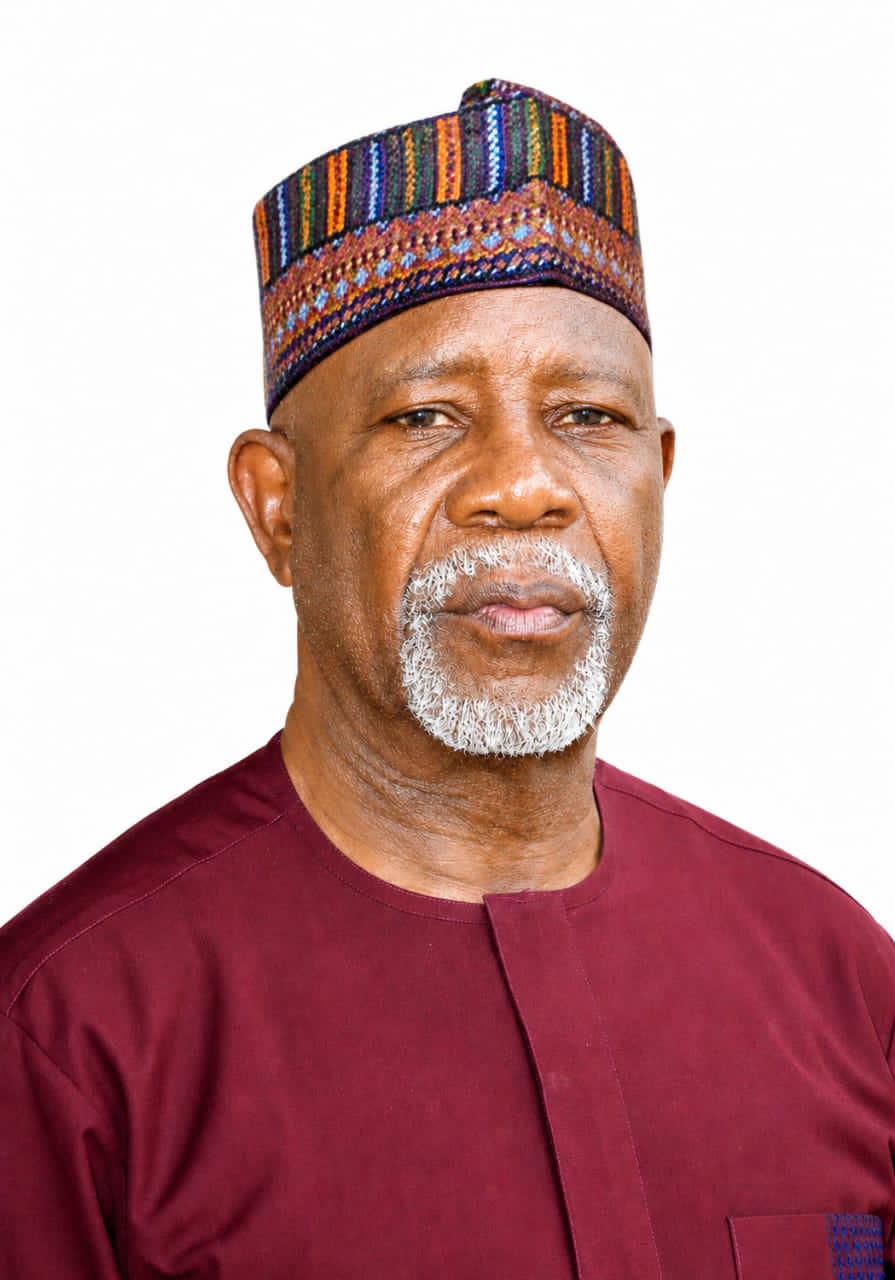
Among such personalities is Engr. (Dr.) Yakubu Mohammed Kingsley, a veteran engineer, public administrator, and advocate of institutional reforms whose professional and public life has attracted attention across various sectors of Nigerian society.
For many who have worked with him within the petroleum industry, engineering profession, public institutions, and community development initiatives, Yakubu Mohammed Kingsley represents a rare blend of technical competence, discipline, patriotism, and courage in the pursuit of justice.
Born in Auchi, Edo State, Kingsley’s story is one of resilience and determination. Raised under modest circumstances, he experienced firsthand the challenges faced by ordinary Nigerians. From assisting his family through small-scale trading in his formative years to rising through the ranks of Nigeria’s strategic petroleum sector, his journey has been shaped by hard work, sacrifice, and a deep appreciation of the realities confronting the average citizen.
Observers say these early experiences helped shape his conviction that leadership should serve the people and not become a vehicle for personal enrichment.
Throughout his distinguished career at the Nigerian National Petroleum Corporation (NNPC), where he served for over two decades, Kingsley earned a reputation as a professional committed to transparency, accountability, and ethical conduct.
Colleagues describe him as a man who consistently upheld professional standards and resisted pressures that could compromise institutional integrity. His service record, industry recognitions, and recommendations for higher responsibilities were largely attributed to his technical expertise, leadership abilities, and commitment to due process.
During his tenure within NNPC’s Engineering and Technical Division, Kingsley played notable roles in project planning, infrastructure development, petroleum engineering operations, and strategic reforms aimed at strengthening the nation’s energy sector.
His contributions extended to refinery rehabilitation initiatives, pipeline engineering systems, project management frameworks, and policy recommendations intended to improve efficiency and sustainability within the industry.
Beyond his technical accomplishments, however, Kingsley became increasingly known for his advocacy on issues of governance, national development, and institutional accountability.
According to associates, he has consistently argued that Nigeria’s vast human and natural resources can only achieve their full potential under a system driven by transparency, meritocracy, innovation, and responsible leadership.
These ideals later formed the foundation of the YMK Nigeria Project, a broad-based national development vision focused on economic diversification, technological advancement, youth empowerment, institutional reforms, and citizen-centered governance.
Central to his philosophy is a strong commitment to justice and constitutional order.
Many who know him personally describe him as a leader who remains steadfast whenever issues of fairness, truth, and accountability are at stake. They point to numerous instances throughout his professional and public life where he openly challenged practices he believed undermined institutional credibility and public trust.
According to supporters, Kingsley has built a reputation for confronting perceived injustice regardless of the personalities or interests involved.
This reputation has become particularly relevant in recent political developments involving the Peoples Redemption Party (PRP) presidential primary process.
Kingsley has maintained that democracy can only thrive when electoral processes reflect transparency, fairness, and the genuine will of party members and citizens. Consequently, he has continued to pursue legal and constitutional avenues in challenging what he describes as irregularities and procedural breaches associated with the party’s presidential primary election.
Political observers note that his stance is consistent with a lifetime commitment to institutional integrity and opposition to perceived abuses of process.
Those familiar with his political philosophy argue that his engagement in politics is driven less by personal ambition and more by his belief that Nigeria requires transformational leadership anchored on competence, accountability, and national service.
Supporters further contend that his refusal to abandon the struggle reflects a deeply held conviction that justice must prevail whenever democratic principles are threatened.
To many Nigerians, particularly among professionals, young people, civil society advocates, and grassroots communities, Engr. Yakubu Mohammed Kingsley symbolizes a model of leadership rooted in service, discipline, patriotism, and integrity.
As debates about Nigeria’s future continue to dominate public discourse, his supporters insist that the country requires leaders who possess both the technical capacity to manage complex institutions and the moral courage to defend democratic values.
Whether in engineering, public administration, governance advocacy, or political engagement, they believe Kingsley’s journey reflects the enduring principle that meaningful national transformation is often driven by individuals willing to stand firm in defense of justice, truth, and the collective interest.
For them, the story of Engr. (Dr.) Yakubu Mohammed Kingsley remains one of resilience, conviction, and an unwavering commitment to the ideals of a better Nigeria.