By Mercy Aikoye
The House of Representatives has called for the immediate release of outstanding funds appropriated for health agencies and intensified disease surveillance as Nigeria steps up efforts to prevent the spread of Ebola Virus Disease (EVD).
The House Committee on Infectious Diseases made the call on Wednesday in Abuja, warning that delays in detecting suspected cases, tracing contacts and implementing preventive measures could undermine the country’s response to a potential outbreak.
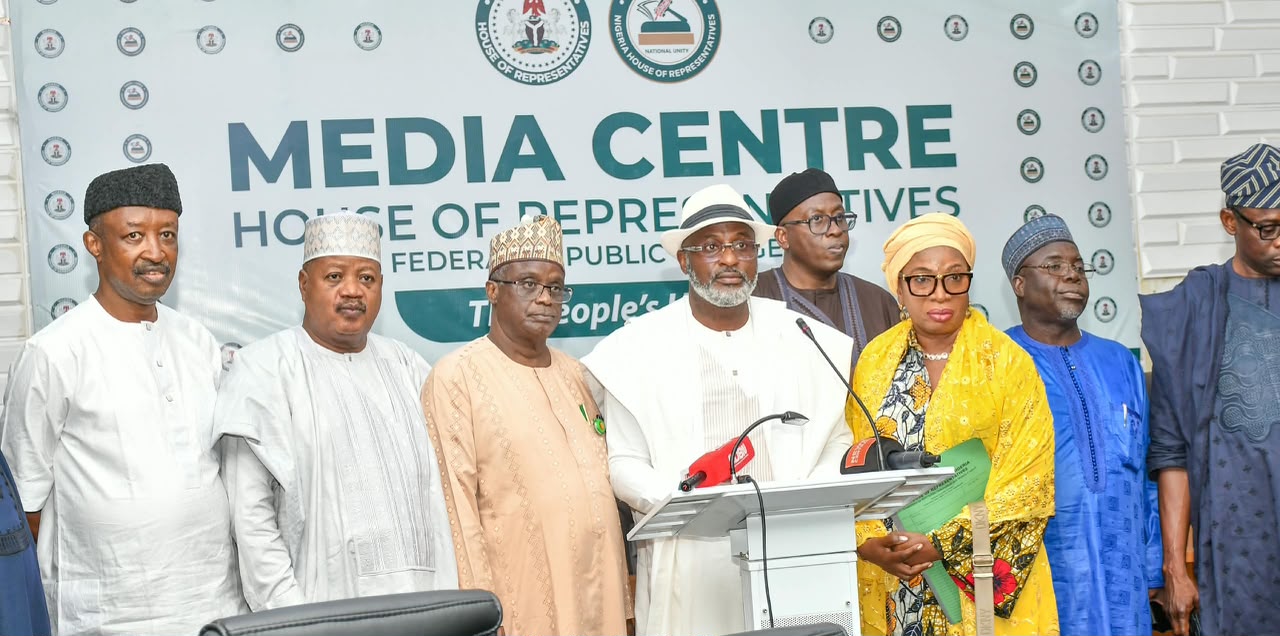
Committee chairman, Hon. Amobi Godwin Ogah, who led members to brief the House of Representatives Press Corps, urged Nigerians to remain calm while adhering strictly to preventive guidelines issued by relevant health authorities.
Ogah stressed that effective containment would depend on early detection, prompt medical intervention, public cooperation and adequate funding for agencies responsible for disease surveillance and emergency response.
The appeal follows reports of a confirmed Ebola case involving a woman who reportedly arrived in Abuja from Uganda on Tuesday, October 20, 2026. Health authorities were said to be tracing 44 contacts for isolation and further testing.
The lawmakers urged the Federal Government to mobilise public and private health institutions to strengthen preparedness, improve screening at points of entry, expand laboratory testing capacity and intensify contact tracing.
They also called on the Federal Ministry of Health and Social Welfare and the Nigeria Centre for Disease Control and Prevention (NCDC) to assess the country’s preparedness and response capacity in line with current epidemiological evidence and established public health guidelines.
The committee identified adequate infection prevention and control supplies, healthcare workers’ readiness, public awareness and sufficient emergency response funding as critical requirements for containing the disease and preventing further transmission.
It warned that inadequate resources and gaps in coordination could weaken response efforts, particularly in the early stages of an outbreak, when rapid identification and isolation of suspected cases are essential.
The lawmakers further advised Nigerians to obtain information from verified sources, including the Federal Ministry of Health and Social Welfare and the NCDC, cautioning against misinformation and unverified reports that could trigger unnecessary panic.
They pledged to engage relevant ministries, departments and agencies, as well as public health institutions, to obtain updates on the situation and report back to the House for further legislative action.
The committee also emphasised the need for collaboration with the World Health Organisation (WHO) and other regional and international public health institutions to ensure that Nigeria’s response is guided by scientific evidence and international health regulations.
Ebola is a severe viral disease that can cause serious illness and death. Public health measures to control its spread include prompt identification of suspected cases, appropriate isolation and medical care, contact tracing, infection prevention and control, and clear communication with the public.
The committee maintained that timely government intervention, adequate funding and strict compliance with official health advisories would be essential to protecting lives and strengthening Nigeria’s capacity to respond to infectious disease threats.