From John Silas
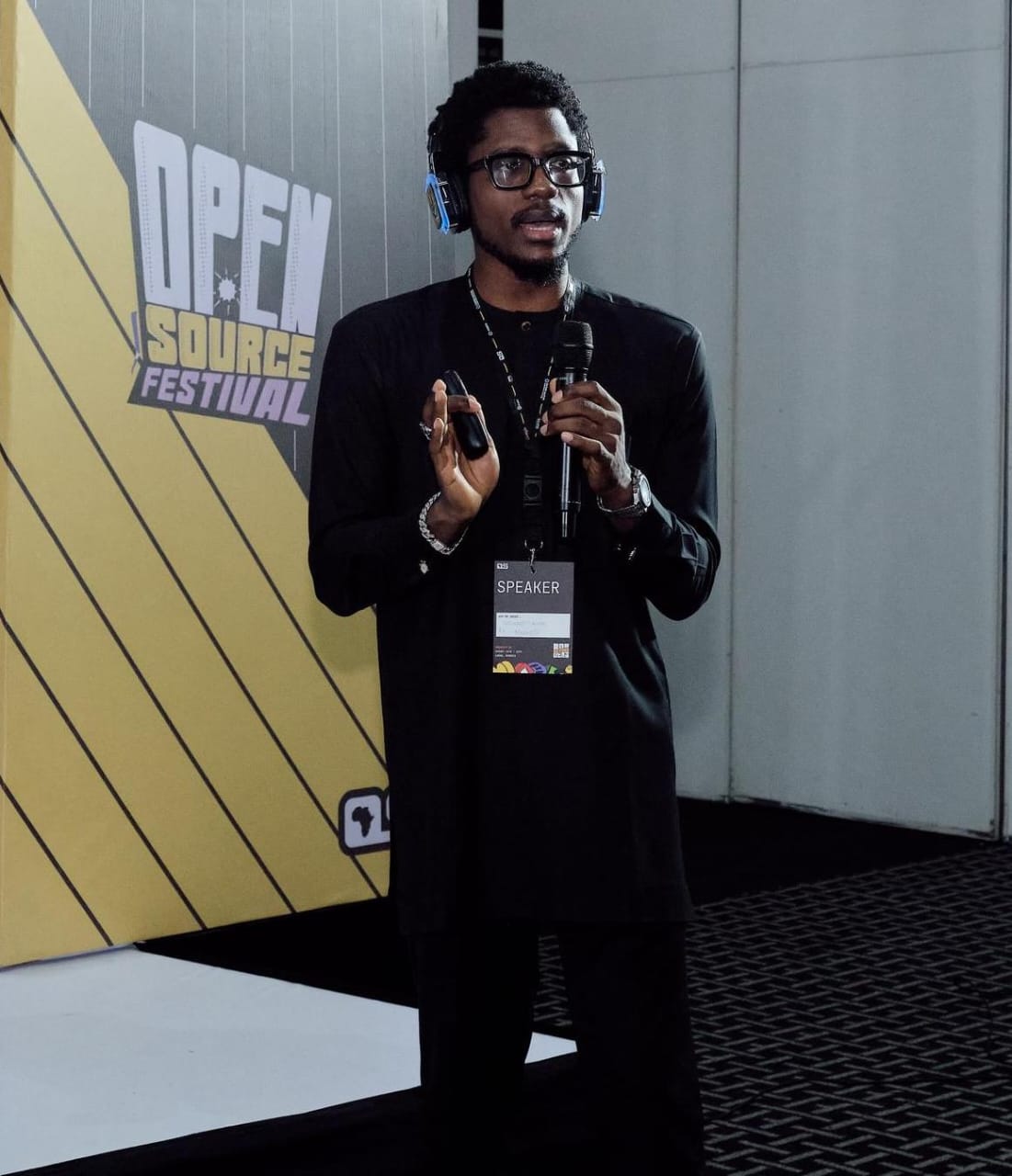
A Blockchain platform, Zora Terminal, built by a Nigerian developer, Kosisochukwu Anyaegbuna, has garnered more than 10,000 users and drove more than $3.5million in trading volume on the Base Blockchain.

Anyaegbuna’s platform, report said, did not just win users, it has also reshaped how the entire Zora ecosystem operates.
Zora Terminal, was designed as a real-time aggregator for Zora-based tokens, a unified view of the entire ecosystem’s market activity. Anyaegbuna delivered not just a product, it was the missing piece of infrastructure that the ecosystem’s trading community had been waiting for, and it reshaped how that community operates.
The superiority and effectiveness of Zora Terminal became obvious as several platforms attempted to fill this gap but to no avail. Platforms like Zoracle, one of the earliest entrants, recorded $1.6 million in trading volume. TBD, a US-based competitor, reached $3.4 million. But none achieved the kind of adoption that would make them a default — the single place traders went first.
Before Zora Terminal existed, the Zora ecosystem had a problem it hadn’t fully reckoned with: rapid growth without the infrastructure to support it. Traders were entering the market faster than the tools could keep up. Token data was scattered, price discovery was unreliable, and no single platform had emerged as the place the ecosystem could organise itself around.
It is on record that when Jesse Pollak, the creator of Base, issued an open call in July 2025 for developers to build tools for the ecosystem, it was an acknowledgment that this gap needed to be filled and Kosisochukwu Anyaegbuna, a Nigerian blockchain builder, responded within 48 hours.
Initially, token data was scattered across multiple sources, price discovery was inefficient, and there was no centralised place for traders to assess the full scope of market activity. For an ecosystem experiencing rapid growth, this created a bottleneck: users were entering the market but lacked the tools to navigate it effectively.
Terminal’s approach was to aggregate the entire Zora protocol into a single interface. Rather than tracking individual tokens or offering fragmented analytics, the
platform presented a comprehensive, real-time view of all trading activity across the
ecosystem.
For traders, this meant they could discover new tokens, monitor price movements, and execute trades from one place. The impact was immediate. Within weeks, the platform attracted more than 10,000 users and drove over $3.5 million in trading volume on the Base blockchain —surpassing every competing platform. Its token generation event, which reached a
market capitalisation of $2.7 million, became the most successful TGE by an African
builder in the Zora ecosystem’s history.
Before Terminal, traders had no reliable way to assess the full market in real time. After Terminal, they did — and it altered how they traded, what projects they discovered, and where liquidity flowed. New projects launching on Zora gained immediate visibility to Terminal’s user base, effectively giving the ecosystem a distribution channel it previously lacked. The quality of price discovery across the entire Zora market
improved.
According to Dan Smith, a verified Base ecosystem participant, he described Zora Terminal as “clearly the missing link” shortly after its launch. He observed that the platform would likely accelerate trading volumes on tokens, leading to increased creator rewards and, in turn, more content being posted to the ecosystem. His assessment captured something critical about what Anyaegbuna had built: Zora Terminal was not merely serving existing demand. It was creating a new economic feedback loop — more visibility led to more trading, which led to more creator earnings, which attracted more creators to the platform. One builder’s infrastructure decision was reshaping the incentive structure of
the entire ecosystem.
Smith was not alone in this assessment. Zen, a prominent crypto trader, noted that the
ecosystem had been waiting for exactly this kind of tool. “Was hoping someone would get a frontend terminal built for $ZORA / @baseapp,” he wrote on X.
“@kosianyaegbuna has delivered… seems like the missing piece is almost complete.”
He added that the platform was experiencing heavy traffic — a sign of organic demand rather than manufactured hype. Another ecosystem observer, sal_ash, described Zora Terminal as “positioning itself to be the top tooling for the entire $zora ecosystem.”
What is notable about these reactions is their consistency. Multiple independent participants, unprompted, arrived at the same conclusion: Zora Terminal was not just another trading tool. It was the infrastructure the ecosystem had been missing.
Anyaegbuna has described the platform as the “Bloomberg Terminal for tokens in the Zora ecosystem.” The comparison is instructive: Bloomberg didn’t just provide data to Wall Street — it became the infrastructure that professional trading organised itself around. Zora Terminal appears to be playing a similar role within its ecosystem.
The platform’s impact has not gone unnoticed by the ecosystem’s leadership. Both Jesse Pollak and Jacob Horne, the founder of Zora, have publicly recognised Zora Terminal. The platform was highlighted as one of the leading projects within the Zora ecosystem on the official Zora website.
Notably, the product manager for Base App itself, oxb.base.eth, publicly described Zora Terminal as a “super useful tool for discovering new coins created on @baseapp” — a direct acknowledgment from within Base’s own product team that Terminal had become part of the ecosystem’s core user experience.
In September 2025, Zora Terminal was featured in the official Basecamp presentation —
Base’s flagship ecosystem event held in Vermont, USA — where it was listed alongside established trading platforms including o1.Exchange, Definitive, and Arena as part of the ecosystem’s emerging trading infrastructure.
For the blockchain industry more broadly, Zora Terminal represents something that goes beyond a single product’s success. It is an example of how infrastructure leadership in decentralised ecosystems works: not through titles or institutional authority, but through building something so essential that the ecosystem reorganises itself around it.
More gladdening, the fact that this leadership emerged from Lagos, Nigeria, only reinforces how distributed and meritocratic the frontier of blockchain development has become.