By Myke Uzendu
The Independent National Electoral Commission has called on journalists in Osun State to intensify investigative reporting on vote buying ahead of the August 15, 2026 governorship election, stressing that proper documentation of electoral offences is crucial to securing the prosecution of offenders.
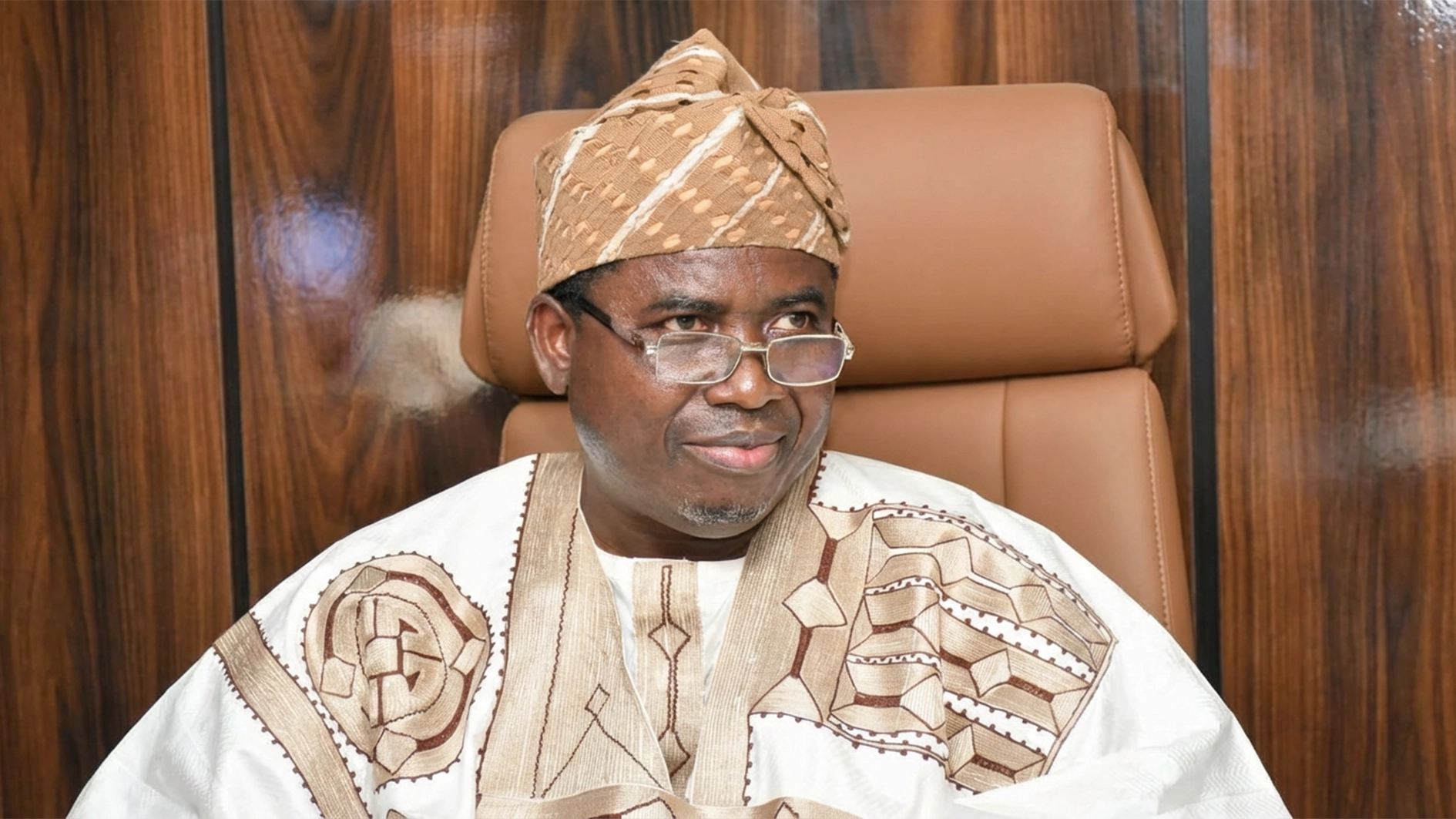
The appeal was made by the National Commissioner and Chairman of the Information and Voter Education Committee (IVEC), Mohammed Kudu Haruna, in a keynote address delivered at the one-day Media Stakeholders’ Forum held on Tuesday in Osogbo.
The address was delivered on his behalf by the Osun State Resident Electoral Commissioner, Oluwatoyin Babalola.
Haruna described vote buying as the most disturbing feature of the June 20, 2026 Ekiti State governorship election, alleging that political actors and their agents induced voters with cash at polling units and, in some cases, distributed numbered vouchers redeemable outside polling centres to evade security checks.
He reminded participants that Section 22 of the Electoral Act 2026 prescribes a minimum fine of ₦5 million, a prison term of up to two years, or both, as well as a 10-year disqualification from contesting public office for individuals convicted of vote trading.
The INEC commissioner urged media organisations and editors to dedicate more resources to investigating vote buying before, during and after the election, while charging reporters to document names, locations, amounts exchanged and methods used by perpetrators.
According to him, such detailed reports would strengthen enforcement efforts by the Economic and Financial Crimes Commission, the Nigeria Police Force and the Department of State Services alongside INEC.
Haruna also disclosed that the commission had concluded major preparations for the Osun governorship election, including the clearance of candidates from 14 political parties, the registration of 381,817 new voters during the Continuous Voter Registration exercise, and plans to deploy the Bimodal Voter Accreditation System (BVAS) and the INEC Result Viewing Portal (IReV) across all 30 local government areas of the state.
He noted that both technologies performed strongly during the Ekiti governorship election, with BVAS recording a 96 per cent functionality rate and IReV achieving a 98 per cent result upload completion rate.
The INEC National Commissioner further expressed concern over declining voter turnout nationwide, noting that fewer than four in every 10 registered voters participated in the Ekiti election.
He called on media organisations to intensify voter education by encouraging citizens to participate actively in the electoral process, reject vote buying and verify election results through the IReV portal.