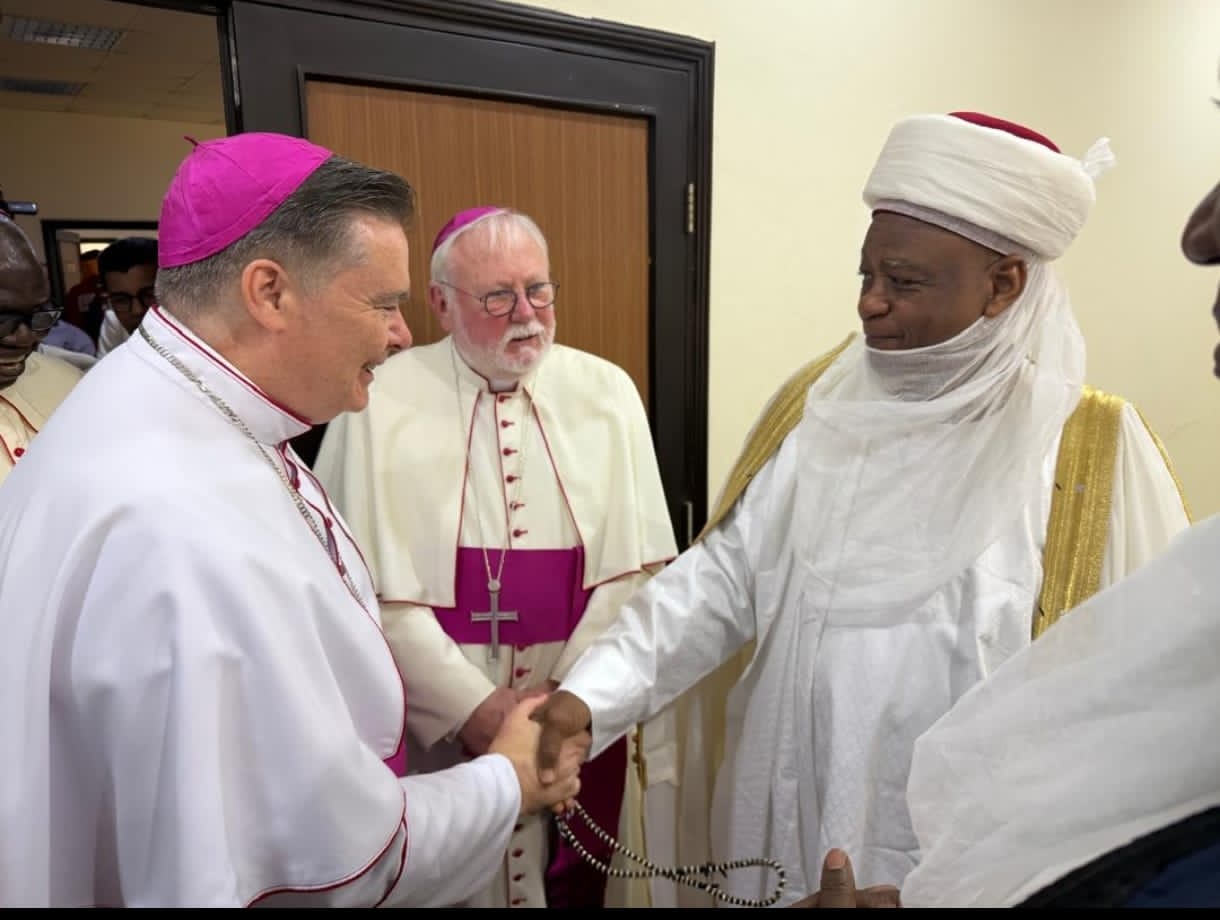
The intervention by the Sultan of Sokoto and chairman, Board of Trustees, Miyetti Allah Cattle Breeders Association of Nigeria (MACBAN), Muhammad Sa’ad Abubakar, helped avert reprisal attacks in the wake of the recent killing of the Benue State MACBAN chairman, Alhaji Risku Muhammad.
The state MACBAN leader and his associate, Yakubu Isah, were both killed by gunmen on June 26, 2026, while returning from a police -arranged peace meeting in Oturkpo Local Government Area (LGA) of the state.
The killings had sparked tensions in a state marked by ethnic unease, especially after the Police announced the arrest of 10 persons from a particular ethnic group in the state.
Security sources told The Authority that, shortly after the killings, the state governor, Father Hyacinth Alia, reached out to the Sultan, who doubles as President-General of the Nigerian Supreme Council for Islamic Affairs (NSCIA), seeking his intervention.
The Sultan, it was gathered, rallied MACBAN leaders and members in Benue, as well as those in neighbouring states, to resist the temptation of launching reprisal attacks, maintaining that the actions of a few misguided persons should not be allowed to trigger another round of bloodshed.
It was reported that the Sultan called for a comprehensive investigation into the killings, insisting that all those responsible must be identified and punished in accordance with the law.
The monarch made the demand in a statement signed by the association’s National President, Baba Othman Ngelzarma.
Aside reaching out to Sultan, added the sources, Governor Alia paid a condolence visit to MACBAN leaders in the state, and extended compensation to the families of their slain officers.
The governor was said to have been particularly pained by the killing of the MACBAN chairman, a man he reportedly described as a lover of peace and key to the ongoing peace talks between herders and the aborigines.
It was the governor, continued the sources, that mounted pressure on the police to arrest all persons linked to the murder.
It would be recalled that the Sultan, on Monday, reaffirmed the commitment of Nigeria’s Muslim community to strengthening interfaith relations and promoting peaceful coexistence.
He stated this during a meeting with the Vatican’s Secretary for Relations with States and International Organisations, Archbishop Paul R. Gallagher.
The high-level meeting brought together a delegation from the Holy See, including Vatican officials and leaders of the Catholic Church in Nigeria, to discuss ways of deepening collaboration between the Muslim and Christian communities in advancing peace, security and mutual understanding.
Speaking on behalf of the Sultan after the meeting, the Deputy Secretary-General of the NSCIA, Professor Salisu Shehu, said the visit underscored the shared commitment of both faith communities to fostering harmony and addressing common societal challenges.
According to him, the discussions centred on strengthening cooperation among religious leaders to promote peaceful coexistence, improve security and encourage greater understanding across faith communities, not only in Nigeria but around the world.
“His Eminence warmly welcomed the Archbishop and commended the Catholic community, particularly in Nigeria, for its cooperation and commitment to peaceful coexistence,” Professor Shehu said.
“He acknowledged the willingness of the Catholic Church to continue working with the Muslim community through various interfaith platforms and activities to promote peace, unity and security in Nigeria.”
Professor Shehu disclosed that one of the major concerns raised during the meeting was the growing menace of hate speech, which both leaders described as a serious threat to national unity and religious harmony.
“Hate speech has been one of the greatest obstacles to peaceful coexistence in our country. It has created perceptual and relational crises among different faith communities,” he said.
He noted that both sides called on religious organisations, community leaders and citizens to work together in combating hate speech, particularly the increasing trend of insulting respected religious leaders and personalities.
“There was a strong appeal for people to refrain from insulting religious leaders who are highly revered within their faith communities, as well as ordinary citizens who equally deserve respect and dignity,” he declared.