By Aduojo Agi
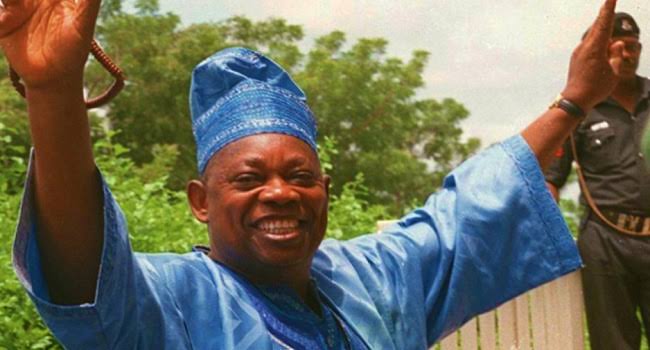
Chief Moshood Kashimawo Olawale (M.K.O.) Abiola remains one of the most influential figures in Nigeria’s political history. More than three decades after the June 12, 1993 Presidential Election, his name continues to symbolize democracy, national unity, sacrifice, and the supremacy of the people’s mandate.
Widely regarded as the winner of the June 12 election, considered by many observers as the freest and fairest election ever conducted in Nigeria, Abiola became the central figure in one of Africa’s greatest democratic struggles. His story is not only about politics but also about business excellence, philanthropy, sports development, and an unwavering commitment to justice.
Born on August 24, 1937, in Abeokuta, Ogun State, Abiola rose from humble beginnings to become one of Africa’s most successful businessmen. A graduate of Accountancy from the University of Glasgow, Scotland, he built a vast business empire spanning telecommunications, publishing, oil and gas, banking, agriculture, aviation, and international trade.
Despite his immense wealth, Abiola was best known for his generosity. He supported educational institutions, religious organizations, healthcare projects, scholarship programmes, and community development initiatives across Nigeria. His philanthropy cut across ethnic, religious, and political boundaries, earning him widespread admiration as one of Africa’s greatest benefactors.
Abiola also played a major role in sports development. Through sponsorships, investments, and the establishment of Abiola Babes Football Club, he contributed significantly to the growth of sports in Nigeria and across Africa. His contributions earned him the prestigious title, “Pillar of Sports in Africa.”
His popularity and national appeal naturally drew him into politics. Running on the platform of the Social Democratic Party (SDP), Abiola campaigned under the slogan “Hope ’93,” promising economic empowerment, social justice, and national unity. His message resonated across ethnic and religious lines, making him one of the few Nigerian politicians to enjoy broad national acceptance.
The June 12, 1993 Presidential Election became a historic turning point. Nigerians voted overwhelmingly in support of Abiola, demonstrating that national unity was possible when credible leadership was presented. However, the military government annulled the election, triggering widespread protests and a prolonged struggle for democracy.
Rather than abandon his mandate, Abiola remained steadfast in defending what he believed was the freely expressed will of the Nigerian people. His determination transformed him into a symbol of democratic resistance.
The struggle was not his alone. His wife, Kudirat Abiola, emerged as one of the most courageous voices against military rule. Through protests and advocacy, she kept the June 12 movement alive until her assassination on June 4, 1996. Her sacrifice remains one of the defining moments in Nigeria’s democratic journey.
In 1994, Abiola was arrested and detained after declaring himself the rightful President-elect of Nigeria. Despite years of imprisonment and mounting pressure to renounce his mandate, he refused to compromise. His detention became a global symbol of the conflict between military dictatorship and democratic legitimacy.
On July 7, 1998, M.K.O. Abiola died while still in detention. His death shocked the nation and remains one of the most controversial chapters in Nigeria’s political history. Yet, his passing elevated him from a political leader to a democratic martyr whose sacrifice helped shape the future of Nigerian democracy.
Subsequent governments gradually acknowledged his role in the nation’s democratic development. A landmark moment came in 2018 when June 12 was officially designated as Nigeria’s Democracy Day, and Abiola was posthumously awarded the Grand Commander of the Federal Republic (GCFR), an honour traditionally reserved for Presidents.
This June 12 stands as more than a date on the national calendar. It represents the triumph of the people’s will over authoritarianism, the courage to defend democratic values, and the sacrifices required to preserve freedom.
The lessons of June 12 remain relevant for present and future generations. Democracy must be protected. Leadership requires sacrifice. National unity is achievable. Strong institutions are essential for safeguarding electoral mandates. History must be preserved, and public service must always place the welfare of the people above personal interests.
As Nigeria commemorates June 12, the nation remembers not only M.K.O. Abiola but also Kudirat Abiola, Pa Alfred Rewane, and countless other patriots who paid a heavy price for democratic governance.
Chief M.K.O. Abiola’s life embodied enterprise, generosity, patriotism, and courage. His legacy continues to inspire Nigerians and Africans alike, reminding us that democracy flourishes only when the will of the people is respected and protected.
History will forever remember M.K.O. Abiola as the acclaimed winner of the June 12, 1993 Presidential Election and one of Africa's enduring symbols of democracy, sacrifice, and hope.(Aduojo J. Agi, Ph.D, is President, Ojone Foundation Nigeria; and Founder, Ojone Centre for Leadership and Mentorship)