
From Cyriacus Nnaji, Lagos
The Association of Licensed Telecommunications Operators of Nigeria (ALTON) has said telecommunications operators have invested billions of dollars over the past 25 years to bridge Nigeria’s digital divide, describing the sector as the backbone of the country’s digital economy.
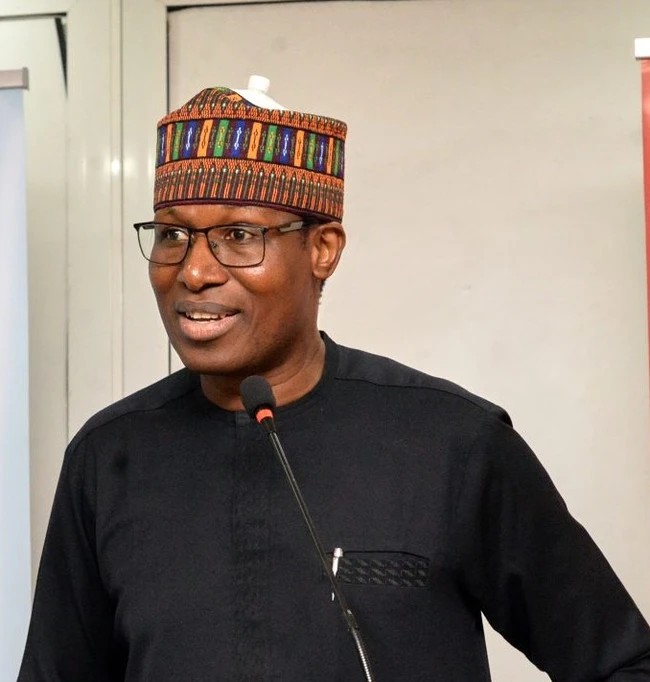
ALTON Chairman, Engr. Gbenga Adebayo, stated this while delivering a keynote address at the Nigeria Information Technology Reporters Association (NITRA) Innovative Conference 2026 in Lagos.
The lecture, titled “A Chronicle of Telecom Operators’ Efforts in Bridging Nigeria’s Digital Divide Through Innovation: Achievements, Challenges and Future Prospects,” was presented at the conference with the theme, “Bridging Nigeria’s Digital Divide with Scientific Innovation.”
Adebayo said Nigeria’s telecommunications industry has evolved into one of Africa’s most successful examples of economic liberalisation and digital transformation, growing from fewer than 500,000 connected telephone lines before GSM liberalisation in 2001 to more than 200 million active subscriptions today.
According to him, the industry has transformed telecommunications from a luxury service available to a few Nigerians into critical national infrastructure that supports virtually every sector of the economy.
“Every digital payment, online classroom, telemedicine consultation, emergency response and e-government service depends on reliable telecommunications networks,” he said.
He added that the sector now underpins banking, healthcare, education, agriculture, governance, commerce, security and entertainment, making it indispensable to national development.
Adebayo disclosed that operators have invested billions of dollars in expanding mobile networks, fibre-optic infrastructure, international connectivity, data centres, cloud platforms, renewable energy systems and next-generation technologies, including 5G.
He said the investments have significantly improved broadband penetration, enhanced financial inclusion and created opportunities for digital entrepreneurship and innovation across the country.
The ALTON chairman noted that the industry’s technological evolution has progressed from nationwide GSM voice services to mobile internet through GPRS, EDGE and 3G technologies, before advancing to 4G, Fibre-to-the-Home (FTTH) and 5G services.
He added that operators have continued to extend network coverage to rural and underserved communities through infrastructure expansion, infrastructure sharing, renewable energy solutions and partnerships with government, thereby improving access to education, healthcare, financial services and economic opportunities.
Despite the progress, Adebayo warned that several challenges continue to threaten sustained investment in the sector.
He identified multiple taxation, inconsistent Right-of-Way policies, vandalism and theft of telecommunications infrastructure, rising energy costs, foreign exchange volatility, regulatory uncertainty and affordability constraints as major obstacles confronting operators.
According to him, addressing these challenges is essential to sustaining investment, expanding digital access and accelerating Nigeria’s digital transformation.
