By Patrick Okigbo III
Our grandmothers taught us better. Today, we walk past the weeds and don’t see them.
I arrived at a Nigerian university to speak to students about what success demands, and I was a little miffed before I got to the podium. The lawns beside the offices and lecture halls had become small savannahs. The hedges, where they survived, had forgotten how it felt to be trimmed. The buildings had not seen a paintbrush in years. Weeds climbed the drainpipes and settled on the windowsills. Water damage had left greenish-black mould in the corners. Scores of old tyres lay about the grounds, as though a roadside vulcaniser had set up shop. I know our universities are broke. Cutting grass and carrying away rubbish do not require a TETFund grant.
Poverty and neglect are often conflated, but they are born of different mothers. The white villages of Andalusia and the hill towns of central Italy are poorer than the rest of Spain and Italy. Most of their residents are elderly, because the young have gone to the cities. Visitors still call these places quaint. The houses are old, and the phone signal is unreliable, but someone waters the geraniums in the window boxes, and the walls are limewashed every spring.
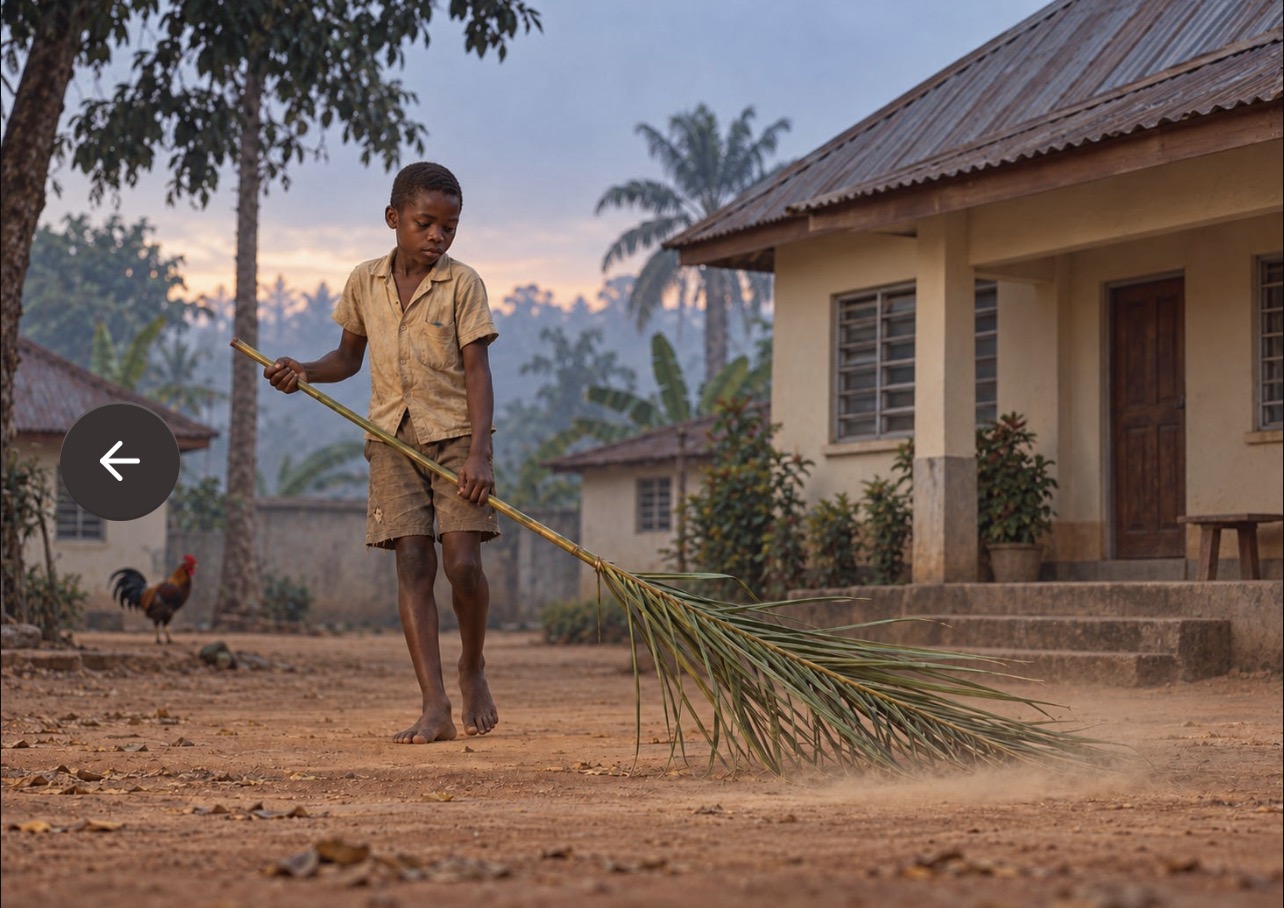
Our compound in Ojoto kept the same discipline. At first cockcrow, just when sleep was sweetest, my paternal grandmother, Oliaku, woke us for the morning chores. We took up our palm fronds and swept the sand until the whole compound was patterned with the strokes. When I visited my maternal grandmother, Nne Nwaku, we slept on raised beds of moulded earth over floors of beaten clay. Though her possessions were few, each had its place. Neither woman would permit shabbiness, and both made sure we learnt the same.
What I saw on that campus says more about the people who run the university than about its finances. Paint is expensive in Nigeria, but brooms, rakes and cutlasses are not. A university may be short of money; it has no business being short of care as well. Our elders say you cannot be poor and a witch at the same time. Somewhere along the way, our public institutions forgot the lesson.
We have become used to the overgrown lawn. What should embarrass us barely catches our eye. Those who work and study on these campuses can surely imagine something better; many have seen it elsewhere, if only on YouTube. Why have they come to accept so much less? Our grandmothers treated their compounds as a mirror; we have learnt to walk past our mirrors without looking. We have also stopped treating the campus as ours. It belongs to the “government”, and that seems to absolve everyone who uses it of responsibility for its care. As our elders put it, the goat that belongs to the community dies of hunger.
What’s a way out? The university can start with what it already has. Its landscape architecture programme should treat the campus as its classroom, with students earning credit for lawns they seed and hedges they shape. Each department should take charge of its building and the ground around it, and the student body should vote each semester for the best-kept grounds.
The halls of residence can compete on cleanliness too. One of the phone companies, always eager for eyeballs, would happily sponsor the prizes, though the bragging rights will matter more than the money. Rope the alumni into the competition. They can fund the materials while the students provide the labour. And the Vice-Chancellor should walk the campus every Monday morning, notebook in hand, asking why last week’s rubbish is still beside the same building.
Almost none of this waits on Abuja. It waits on us. Oliaku and Nne Nwaku had far less than the people who now walk past those tyres every day, and neither would have let a weed take root in her compound. If they could see that campus, they would not think of the government. They would ask what we had failed to teach our children.
I had come to speak to the students about success. I meant to tell them about the lawn outside the auditorium. The moderator’s questions took the conversation elsewhere, and the lawn stayed with me. This essay is what I should have shared.
Success starts with what lies within reach. Someone who will not tend the ground beneath their feet is unlikely to tend a business or a country. Prosperity is a daily discipline long before it becomes a number, and it often begins, as it did in Ojoto, with a broom at first cockcrow.