By Myke Uzendu, Abuja
The Independent National Electoral Commission (INEC) has sought deeper collaboration with the Canadian government on electoral technology, artificial intelligence, voter inclusivity and the fight against misinformation ahead of Nigeria’s 2027 general elections.
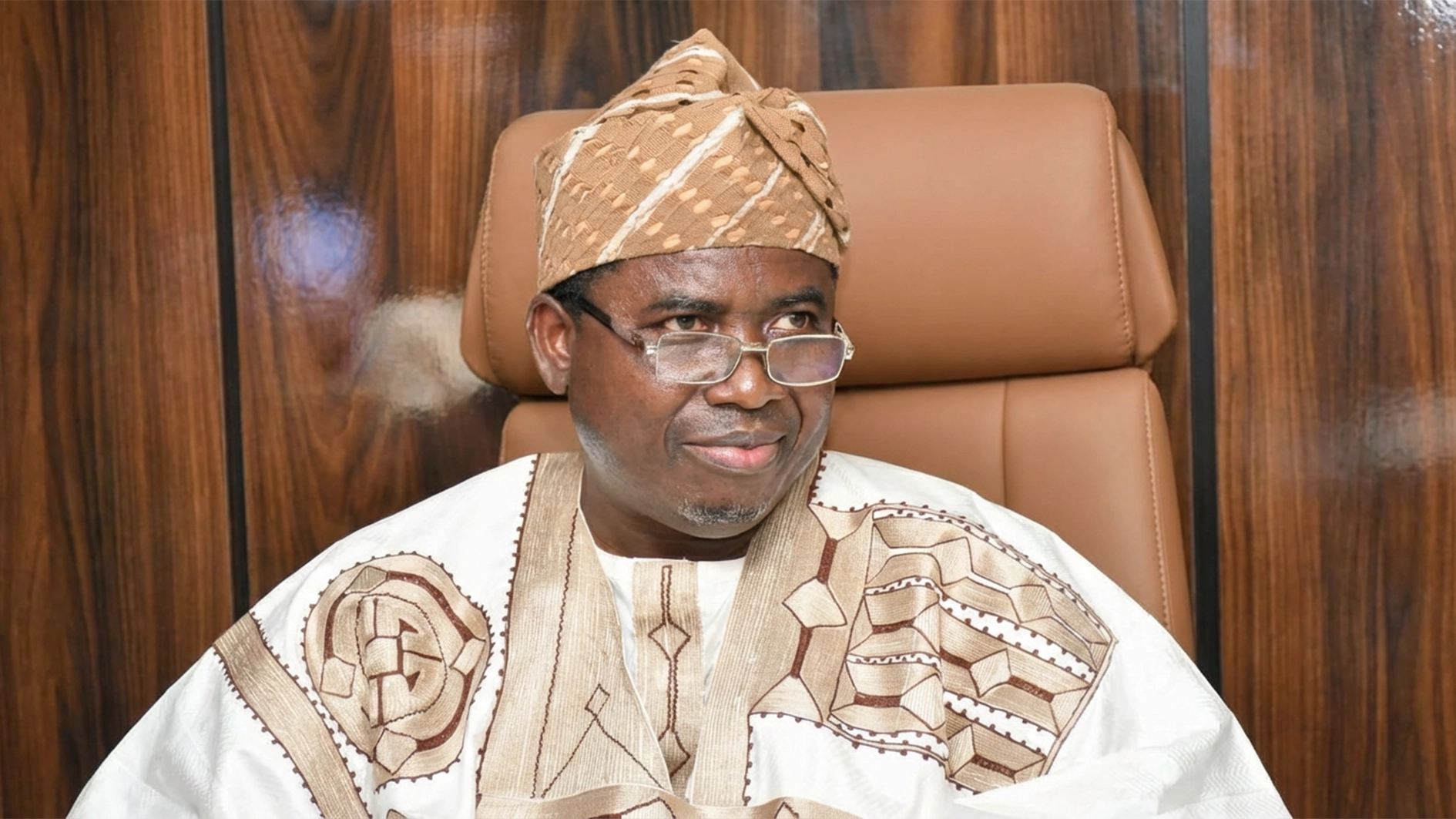
INEC Chairman, Prof. Joash Ojo Amupitan, SAN, made the call on Friday when he received a delegation from the Canadian High Commission led by the Chargé d’Affaires, Mr David Sproule, at the Commission’s headquarters in Abuja.
Amupitan said Canada had remained a dependable international partner in Nigeria’s democratic development through its support for electoral governance, civic education, institutional strengthening and gender inclusion.
He said the partnership was particularly important as INEC consolidated its preparations for the 2027 elections, stressing that the Commission’s mandate to conduct free, fair, credible, transparent and inclusive elections remained “clear and non-negotiable.”
According to him, INEC had been using off-cycle elections as testing grounds for electoral reforms and operational improvements.
He cited the Anambra governorship election, FCT Area Council elections and Ekiti governorship election as among the exercises through which the Commission had tested its operational frameworks.
The INEC chairman said the recent Osun State governorship election had provided another important benchmark ahead of the 2027 polls.
He disclosed that 3,556 out of 3,763 polling units, representing 94.5 per cent, opened for accreditation and voting by 8:30 a.m. during the August 15 election.
Amupitan said the Commission also recorded optimal performance of the Bimodal Voter Accreditation System (BVAS), result transmission through the INEC Result Viewing Portal (IReV), and proactive crisis management.
“Osun demonstrated what is possible when administrative foresight meets technological fortitude,” he said, adding that INEC would use the experience as a benchmark for the 2027 general election.
The Presidential and National Assembly elections are scheduled for January 16, 2027, while the Governorship and State House of Assembly elections will hold on February 6, 2027.
Amupitan also disclosed that public campaigns and rallies for the 2027 elections officially commenced on August 19, while presidential candidates participated in the signing of the First National Peace Accord on Issue-Based Campaigns organised by the National Peace Committee on August 18.
The INEC chairman identified five areas in which the Commission hoped to deepen cooperation with Canada.
They include strengthening the reliability, deployment and cybersecurity of electoral technology and public viewing platforms; expanding democratic participation for persons with disabilities, women, youths and other historically underrepresented groups; and obtaining technical assistance, electoral research and training.
The Commission also seeks collaboration on strategic communication and civic education to counter election-related misinformation and disinformation.
Amupitan said INEC would conduct a mock accreditation exercise in November to test its preparedness for the 2027 election.
“We will be subjecting our electoral equipment, the Bimodal Voter Accreditation System (BVAS), to a rigorous field test to fortify the sanctity of the ballot during the election,” he said.
He appealed for Canada’s partnership towards the success of the exercise.
The INEC chairman said the 2027 election would require an unprecedented logistical operation, with the Commission expected to deploy approximately 1.4 million ad-hoc personnel across more than 176,000 polling units nationwide.
He assured the Canadian delegation and the international community of INEC’s independence, neutrality and commitment to electoral integrity.
“Electoral administration is a multi-stakeholder enterprise,” Amupitan said. “While INEC remains an unbiased umpire, support from domestic and international partners helps ensure our democratic processes evolve in step with global best practices.”
The Commission also disclosed that it had established a dedicated Artificial Intelligence (AI) Unit as part of efforts to respond to emerging technological challenges in electoral administration.
Amupitan said the unit would explore the use of AI to improve data management, voter registration and results transmission, while also developing safeguards against the misuse of the technology.
He said INEC was eager to participate in the Global Conference on Responsible AI and Elections scheduled for September 9 to 11, 2026, in Ottawa, Canada.
The conference is being organised by the United Nations Development Programme (UNDP) and Elections Canada.
According to Amupitan, the conference would provide an opportunity for electoral bodies to develop strategies for the responsible deployment of AI and tackle emerging threats, including deepfakes and AI-generated disinformation.
He appealed to the Canadian High Commission to facilitate the expedited processing of entry visas for INEC officials scheduled to participate in the conference.
“We recognize the need to harness the power of AI to improve data management, voter registration, and results transmission, while remaining vigilant against the misuse of such technologies,” he said.
Amupitan expressed appreciation for Canada’s continued support for Nigeria’s democracy and said INEC looked forward to deeper cooperation between both countries ahead of the 2027 elections.
Responding, The Charge D’Affairs, Canadian High Commission to Nigeria, David Sproule said that Canada had maintained a very strong mutual relationship with Nigeria. He expressed the willingness of the government of Canada to assist the country improve on its electoral process.