From Cyriacus Nnaji, Lagos
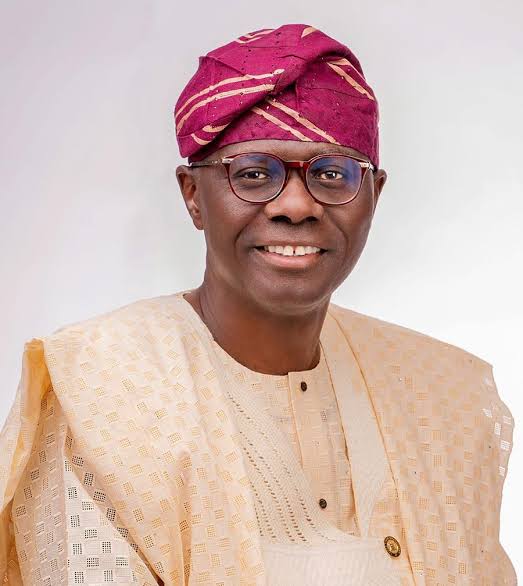
Lagos State Governor, Babajide Sanwo-Olu, has said the 2027 general elections will test whether Nigeria can transform its mandate into real development, including a one trillion dollar economy.
Speaking as Special Guest Speaker at the 7th Freedom Online Yearly Lecture in Ikeja on September 3, 2026, Sanwo-Olu noted that Nigeria’s elections have improved significantly. “Anyone who covered the elections of 2000s knows how far we have come… the electoral act of 2022, and now the electoral act of 2026, and the technology that verifies voters and transmits results,” he said.
He stressed that INEC must be ready in every polling unit on January 16 and February 6, adding that citizens also have a duty to support the process.
The governor said 135 days from now, Nigerians will elect a president peacefully for the eighth time in succession. “Nigeria’s future will not be decided on the 16th of January. It will be decided by what we do with the mandate… whether we finish the reforms or abandon them halfway,” he stated.
He urged Nigerians to “lift this load together” so that 2027 is remembered as “the election at which Nigeria came of age.”
Former Ogun State Governor, Senator Gbenga Daniel, declared that Nigeria’s security and economic challenges are “inseparable,” warning that progress in one cannot be achieved without the other.
While acknowledging that Nigeria’s economy showed growth of 4.43 per cent in the second quarter of 2026, driven by agriculture and services, Daniel said GDP figures alone do not reflect the reality of citizens.
He posed a series of questions to illustrate the link: “Can a young person find decent work? Can a farmer safely reach the farm? Can a manufacturer produce competitively? Can a small business survive the cost of power, transport and finance? Can investors commit their resources with confidence? These questions bring us directly to security.”
The Senator argued that security must be viewed as part of economic infrastructure.
“When farmers are afraid to cultivate their land, food production suffers. When roads are unsafe, the cost of transporting goods rises. When businesses spend excessively on protection, their competitiveness declines. When communities live in fear, investment is discouraged,” he said.
In conclusion, Daniel expressed optimism: “I remain optimistic about Nigeria, not because our problems are small, but because our capacity is greater than our problems. What we need is the security, leadership, infrastructure and discipline to convert potential into prosperity.”
Chairman of the occasion, Former Minister of Information and Culture, Alhaji Lai Mohammed, on his part said that security is the precondition for economic growth, stressing that no investor will commit capital where safety cannot be guaranteed.
2027 will decide if Nigeria becomes $1trn economy — Sanwo-Olu