By Myke Uzendu
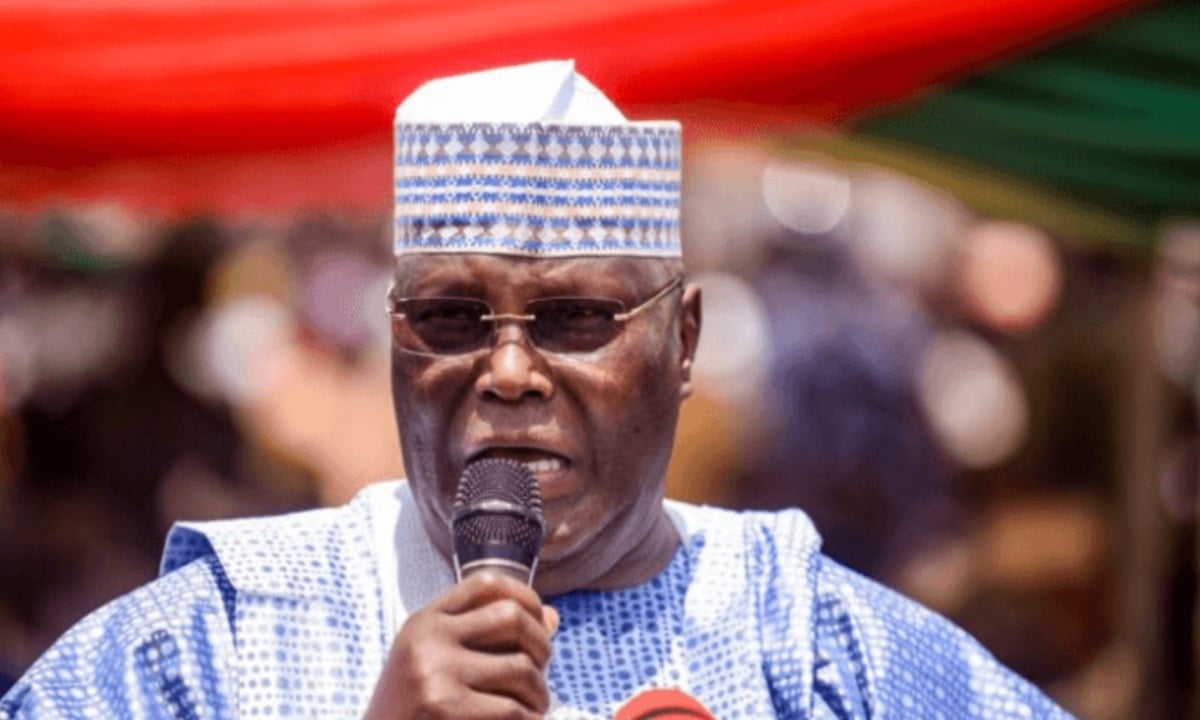
Former Vice President Atiku Abubakar has criticised the Federal Government’s decision to introduce a 30-day petrol discount at NNPC filling stations, describing the measure as inadequate, selective and politically motivated.
In a statement issued in Abuja on Thursday, Atiku Media Office argued that the intervention amounted to an affirmation of former Vice President Atiku Abubakar’s position that government should adopt a transparent, production-based approach to making locally refined petrol more affordable.
The statement noted that the Tinubu administration and the ruling All Progressives Congress (APC) had repeatedly maintained that petrol subsidy had been abolished, while dismissing Atiku’s proposal for a production-based subsidy as economically unsustainable.
It said the government’s current decision to negotiate petrol price ceilings and introduce discounted sales raised questions about the consistency of its earlier position.
“Today, the same administration is announcing government-negotiated price ceilings, discounted petrol sales and arrangements to cushion consumers against market fluctuations,” the statement said.
The Atiku Media Office questioned whether the change in policy was driven by economic realities or the approaching 2027 general elections.
While acknowledging that any genuine effort to reduce the hardship faced by Nigerians was welcome, the statement warned against using temporary interventions as political window-dressing.
It also raised concerns about the accessibility of the proposed discount, noting that NNPC Retail operates more than 900 outlets across the country.
According to the statement, the distribution of the outlets meant that many Nigerians living in communities without NNPC stations might have to travel considerable distances to access the discounted petrol.
The media office further cited an alleged July 2026 NNPC report which placed petrol availability across its retail network at 52 per cent.
It questioned how the government could guarantee nationwide relief through a network that had allegedly struggled to maintain consistent petrol availability.
The statement also challenged the government’s description of the proposed intervention as neither a subsidy nor price control.
It questioned the mechanism through which refiners and importers would recover any shortfall created by government-negotiated price ceilings, asking whether the eventual cost would be borne by public resources, NNPC revenues or consumers.
The Atiku Media Office maintained that an intervention involving the transfer or postponement of costs, or the use of public resources to reduce petrol prices, raised legitimate subsidy-related questions regardless of the terminology used.