By Daniel Tyokua
The wife of President Bola Tinubu, Senator Oluremi has called for improved access to education, healthcare, land ownership and finance for rural women, urging stakeholders to translate recognition of their contributions into concrete action.
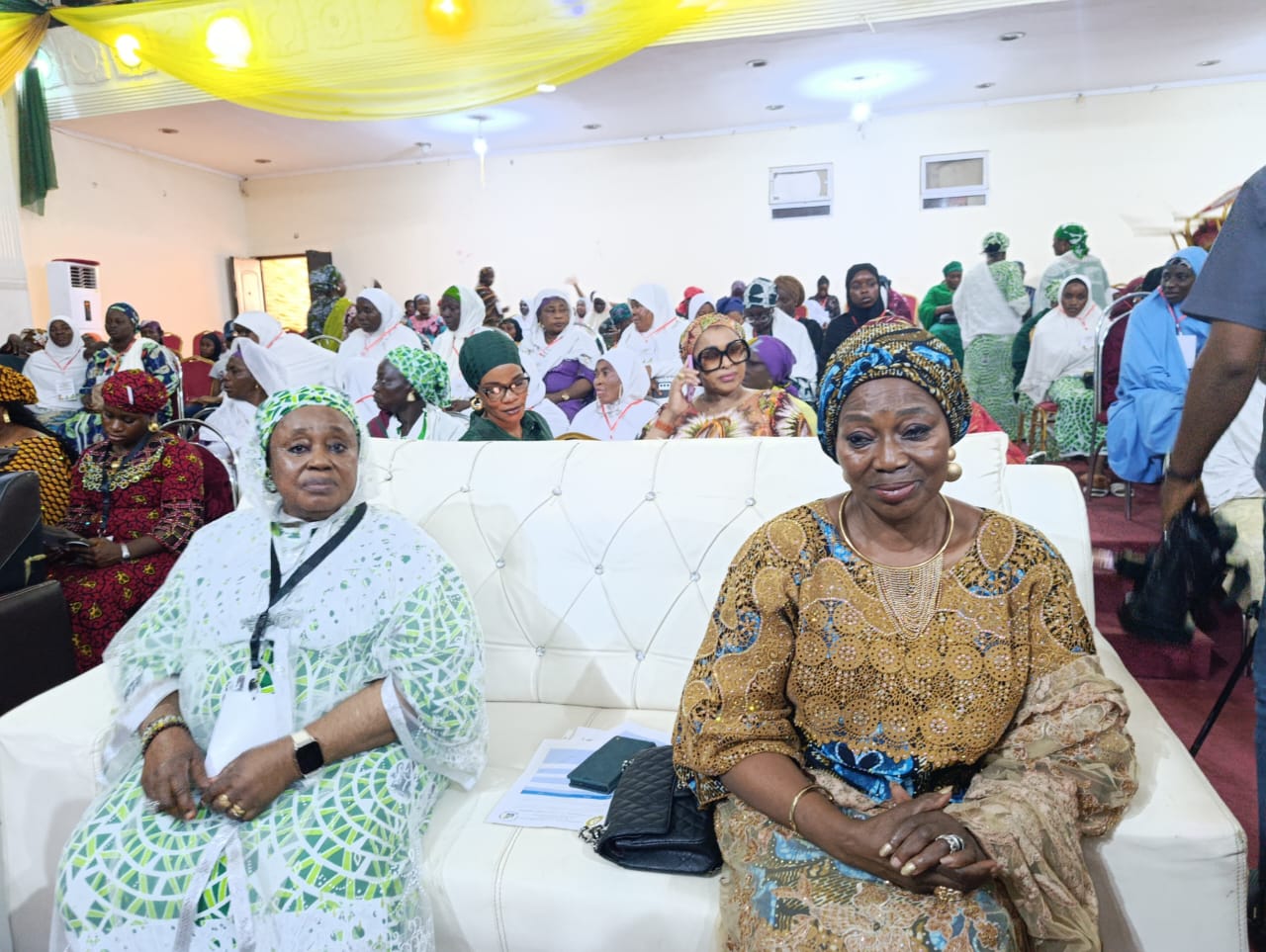
She made the call on Wednesday in Abuja at a symposium organised by the Association of Wives of FCT Traditional Rulers (WOFCTTRA) to commemorate the 2026 International Rural Women’s Day.
The event, organised in collaboration with the FCT Women Affairs Secretariat, had as its theme: “Harnessing the Influence of Wives of Traditional Rulers to Advance Gender Equity, Peacebuilding, and Sustainable Community Development in Rural Communities of FCT.”
Tinubu’s wife, represented by the former FCT Women Leader of the All Progressives Congress, Mrs Hilmary Aipoh, commended rural women for their resilience and contributions to agriculture, trade, cultural preservation, caregiving and community development.
She, however, noted that many continued to face systemic barriers that limited their economic opportunities and participation in decision-making.
“Recognising their contributions must translate into greater opportunities, protection and inclusion,” she said.
Tinubu urged wives of traditional rulers to deploy their grassroots influence to promote gender equality, economic empowerment and peaceful coexistence, stressing that their positions placed them in a unique position to understand the challenges confronting rural households.
She described traditional rulers as custodians of culture and social cohesion, while noting that their wives could use their close relationships with market associations, women’s groups and young people to connect community needs with leadership decisions.
The First Lady also urged them to champion girls’ education, discourage harmful traditional practices, promote women’s participation in community decisions and mediate local disputes.
“Your influence is a privilege, but it is also a responsibility. You can help your husbands better understand the everyday challenges of the people they serve,” she said.
Earlier, the President of WOFCTTRA and Queen of Abaji Chiefdom, Mrs. Hauwa Adamu, called for targeted interventions to improve the welfare and safety of rural women across the six area councils of the Federal Capital Territory.
Adamu described rural women as indispensable to national development, warning that neglecting rural communities while developing urban centres would undermine overall progress.
“If you develop the city and forget the village, you have built a house without foundation,” she said.
She proposed the establishment of Rural Women Safe Motherhood Clubs across the six area councils and a Palace-Based Peacebuilding Network to enable women to report gender-based violence and seek community mediation.
The WOFCTTRA president also called for collaboration with the Renewed Hope Initiative and the establishment of an FCT Rural Women Traditional Institution Desk to ensure that concerns raised in royal palaces reach relevant decision-making authorities.
She said the proposed initiatives were informed by the role traditional palaces play in resolving family disputes, addressing emergencies and connecting women to healthcare services, particularly in hard-to-reach communities.
“When a young girl in Kwali says she does not want early marriage but wants school, she runs to the Queen’s palace, not to the police station,” she said.
On her part, the Permanent Secretary of the FCT Women Affairs Secretariat, Hajiya Asmau Mukhtar, reaffirmed the administration’s commitment to improving the welfare, economic capacity and livelihoods of rural women across the territory.
She acknowledged their contributions to agriculture, food security, family welfare, entrepreneurship and community development, assuring that their needs would remain part of the FCT’s development agenda.
In her remarks, the President of Helpline Social Support Initiative (HSSI), Dr Jumai Ahmadu, represented by the organisation’s Programme Officer, Mrs Amina Omale, called for practical measures to accelerate grassroots development, promote gender equality and strengthen peacebuilding.
Ahmadu stressed that sustainable national development must begin at the grassroots.
Add my byline and tighten the story
Make the headline shorter and punchier
Reduce repetition in the rural women references