By Myke Uzendu, Abuja
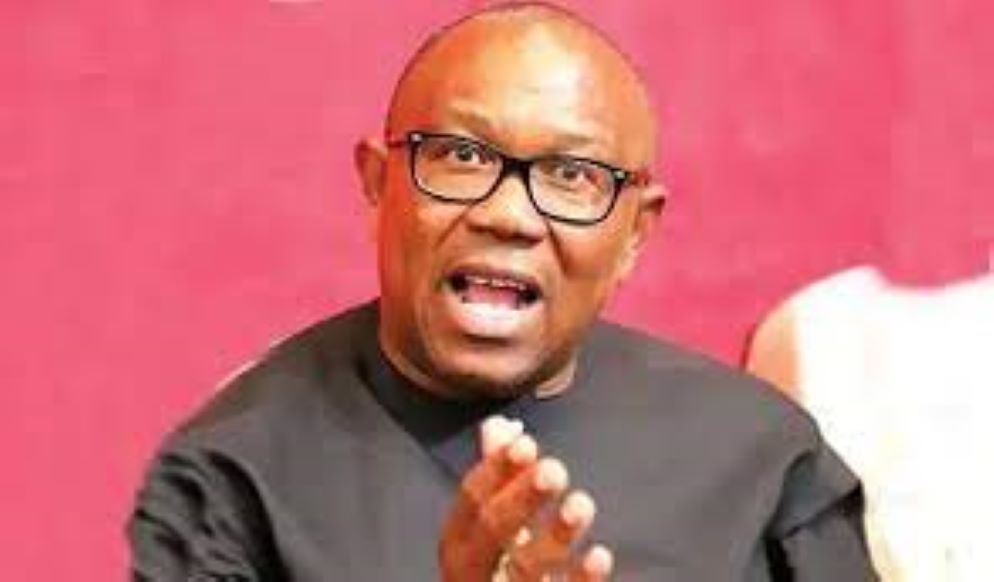
The 2023 presidential candidate of the Labour Party Peter Obi, has attributed Nigeria’s widespread poverty to poor leadership choices and tolerance for corruption.
Peter Obi made the remarks in Abuja while receiving the leadership of the Association of Skilled and Vocational Artisans of Nigeria (ASVAN), led by its National President, Obijuru Everest, who paid him a courtesy visit on Thursday.
During the meeting, Obi said Nigeria’s economic struggles persist despite its vast natural and human resources because citizens and leaders have failed to prioritize accountability and productive governance.
“We are poor because we have chosen to be poor. We give titles and front-row seats of honour to those who steal public funds, and yet we expect to grow,” he said.
The former Anambra State governor noted that corruption and misplaced societal values have hindered national development, stressing that rewarding corrupt officials while ignoring integrity undermines progress.
Obi also recalled a past conversation he had with political leaders in Indonesia, a nation he said shares similarities with Nigeria in terms of population size but has recorded significant economic progress due to better governance.
According to him, the Indonesian leaders advised that Nigeria could achieve rapid development if it prioritised three key areas — tackling the theft of public funds, investing heavily in education and healthcare, and creating an enabling environment for economic productivity.
“To improve Nigeria, the advice was simple: stop the theft of public funds, invest in education and healthcare, and you will see the results when healthy and educated citizens contribute meaningfully to the economy,” Obi said.
He stressed that strong economies are largely driven by Small and Medium Enterprises (SMEs), which thrive when governments provide stable policies, infrastructure and transparent leadership.
“In every viable economy, SMEs drive growth, supported by a responsible and corruption-free government that creates an enabling environment,” he added.
Obi urged Nigerians, particularly young people and workers, to play a more active role in shaping the country’s political direction by rejecting vote buying and holding leaders accountable.
“Join the fight for a great Nigeria. Stop worshipping those who steal your money, stop giving them titles, and stand up for what is right,” he said.
“Vote, defend your votes, and help produce good leaders at all levels — from councillor to president — and you will see the country change.”
Earlier, Everest said members of ASVAN had been closely following Obi’s political journey and believed it was important to identify with leaders they consider capable of transforming the country.
He said artisans across Nigeria form a critical part of the country’s economic engine but lamented that government policies have not created a conducive environment for their growth.
According to him, the association has members and coordinators across all 36 states and represents more than two million skilled and unskilled artisans nationwide.
Everest said the group is currently advocating a bill before the National Assembly of Nigeria that would formally recognise and regulate the artisan sector in the country.
He also disclosed that the association had developed a blueprint for a world-class artisan workshop village aimed at improving productivity and competitiveness in the sector.
“We have developed a blueprint for a world-class artisan workshop village that will enable our artisans produce top-quality finished products and compete globally,” he said.
Everest added that although the association had been promised land for the project by government authorities over the past three years, the proposal had yet to materialise.
He expressed optimism that the initiative, once implemented, would help transform Nigeria’s artisan sector and contribute significantly to national economic development.