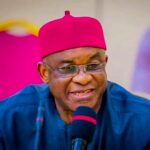
By Myke Uzendu, Abuja
The African Democratic Congress (ADC) has criticised the Federal Government’s celebration of Nigeria’s reported Gross Domestic Product (GDP) growth, describing it as disconnected from the economic hardship faced by ordinary citizens.
In a statement issued by its National Publicity Secretary, Bolaji Abdullahi on Wednesday, the party argued that economic growth figures are meaningless if they do not translate into tangible improvements in the lives of Nigerians.
“People do not eat GDP,” the party said, stressing that headline statistics cannot substitute for real economic relief in the form of lower food prices, job creation, and improved purchasing power.
The ADC maintained that despite official claims of economic progress, millions of Nigerians continue to grapple with rising inflation, unemployment, and increasing cost of doing business. It warned that growth that exists only in reports, without visible impact on citizens’ welfare, cannot be regarded as meaningful progress.
According to the party, the reality of the Nigerian economy is reflected in daily struggles across markets, farms, and households, where food prices remain high, transportation costs continue to rise, and small businesses face mounting operational challenges.
“Economic growth that does not reduce suffering, create jobs, or improve incomes is empty growth,” the statement added.
The party further accused the government of prioritising favourable economic narratives over practical solutions, urging it to focus on policies that directly improve living conditions rather than “celebrating statistics.”
It said a responsive government should acknowledge the hardship faced by citizens and demonstrate commitment to addressing core economic issues, including inflation, unemployment, and declining purchasing power.
The ADC emphasised that the true measure of economic success lies in the well-being of the people, noting that many Nigerians are currently worse off than they were in previous years.
The opposition party called for a shift toward policies that would stabilise prices, support businesses, create jobs, and restore economic dignity to citizens.
It stated that until economic growth is reflected in improved living standards, claims of success remain disconnected from reality.