…Asokoro-Ogaji identifies five priorities for strengthening continent’s bargaining power
By Stella Odueme
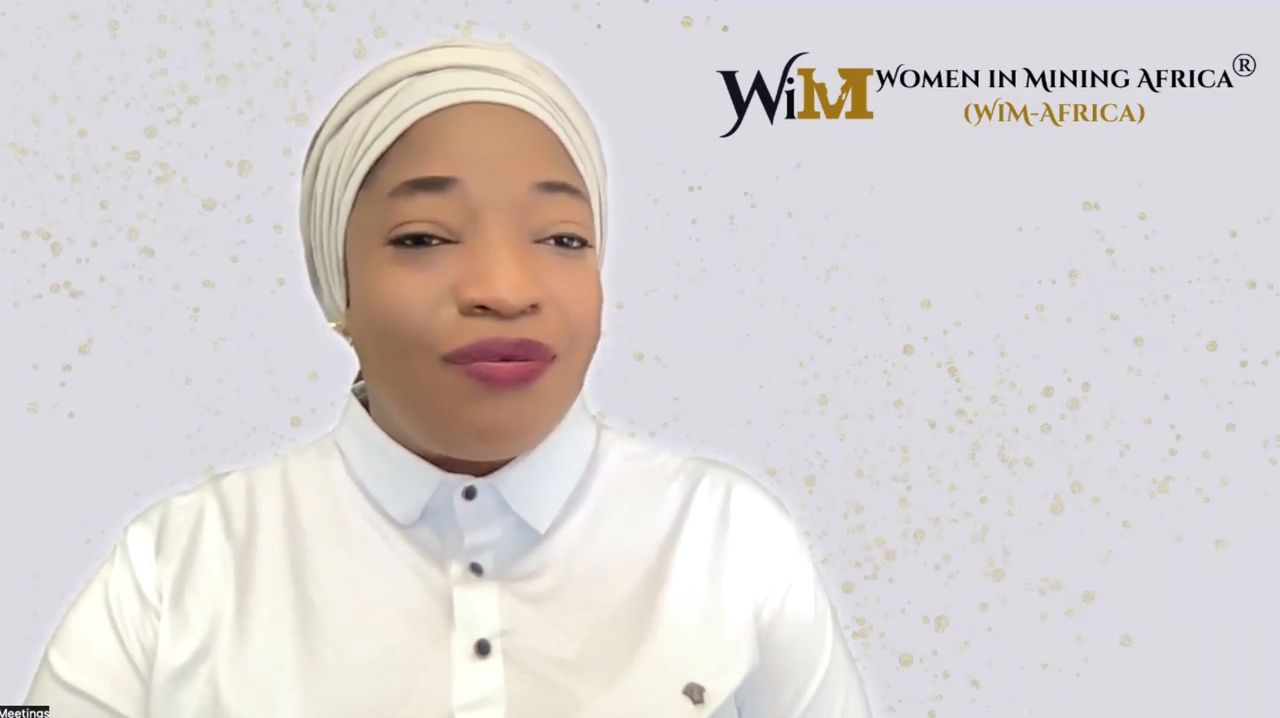
The Executive Director of Women in Mining Africa (WiM-Africa), Dr Comfort Asokoro-Ogaji, has urged African countries to strengthen their influence in global minerals pricing by investing in processing capacity, market intelligence, trade finance and regional cooperation.
She said Africa must move beyond its traditional role as a supplier of raw minerals and become an active participant in the commercial and financial systems that determine the value of its mineral resources.
Asokoro-Ogaji made the call at the Shanghai Metals Expo 2026 during a roundtable discussion titled Eastern Pricing 2.0: Integrating Futures, Physical Markets, Industry and Finance for the Next Stage of Global Metals Pricing.
In her speech made available to journalists on Sunday, she observed that despite Africa’s vast deposits of copper, cobalt, lithium, manganese, platinum-group metals and gold, the continent has limited influence over the information, processing infrastructure, financial instruments and trading networks that shape international mineral prices.
According to her, resource ownership alone does not guarantee economic benefits, stressing that African producers must develop the capacity to negotiate better commercial terms and secure greater value from their mineral exports.
She identified five critical areas requiring attention: strengthening mineral market intelligence, improving testing and standardisation, expanding beneficiation and processing, enhancing access to commodity markets and finance, and promoting inclusive participation in the mineral value chain.
The WiM-Africa director explained that reliable information on mineral production, quality, prices, buyers and processing capacity would help African producers overcome information gaps and improve their negotiating positions.
She also stressed the importance of independent laboratory testing, certification and traceability, noting that producers must understand the quality and composition of their minerals before negotiating with international buyers.
On local value addition, she called for increased investment in processing infrastructure and regional partnerships to enable African countries to supply minerals that meet higher industrial standards rather than depending largely on exports of unprocessed resources.
She further advocated improved access to working capital, trade finance, secure payment systems and appropriate risk-management instruments to enable local producers to compete more effectively in international markets.
Addressing women’s participation, Asokoro-Ogaji said women must be included across the entire mineral value chain, rather than being confined largely to extraction and informal activities.
She noted that women engaged in mining, mineral trading, processing and cooperatives continue to encounter difficulties accessing finance, equipment, technical knowledge, market information and formal supply chains.
She called for improved opportunities for women-led mining enterprises to access reliable laboratory services, international market information, processing technologies, industrial buyers and responsible sourcing arrangements.
She described these interventions as essential to improving competitiveness, economic participation and the sustainability of Africa’s mining industry.
Asokoro-Ogaji also highlighted WiM-Africa’s strategic partnership with Shanghai Metals Market, saying the organisation was interested in developing practical collaborations that would connect African women-led businesses with international market intelligence, industrial networks, research institutions and commercial opportunities.
She proposed broader cooperation between African countries and Chinese partners in mineral testing, processing technology, professional training, responsible sourcing, investment readiness and direct engagement with buyers.
While acknowledging China’s industrial and technological capabilities, she said partnerships should extend beyond the purchase of African mineral resources to include knowledge transfer, institutional development and investment in local value chains.
She maintained that Africa was not seeking to replace established international price benchmarks with arbitrary national prices but wanted the capacity to understand market movements, negotiate from stronger positions and participate more directly in the systems that determine mineral value.
She added that the evolution of global metals pricing presented an opportunity to build transparent, inclusive and internationally connected markets that would give resource-producing countries a stronger voice.
“Africa has mineral power. It is time we built the market power to match it,” she said.