By Chuks Oyema-Aziken
The Health of Mother Earth Foundation (HOMEF), a climate change advocacy group has called on world leaders attending the 31st United Nations Climate Change Conference (COP31) in Antalya, Türkiye, to commit to a binding and equitable phase-out of fossil fuels, warning that voluntary climate pledges are insufficient to address the escalating climate crisis.
The organisation said the first three days of negotiations had exposed a widening gap between diplomatic commitments and the worsening realities of climate change, particularly for vulnerable communities facing energy poverty, economic instability and environmental destruction.
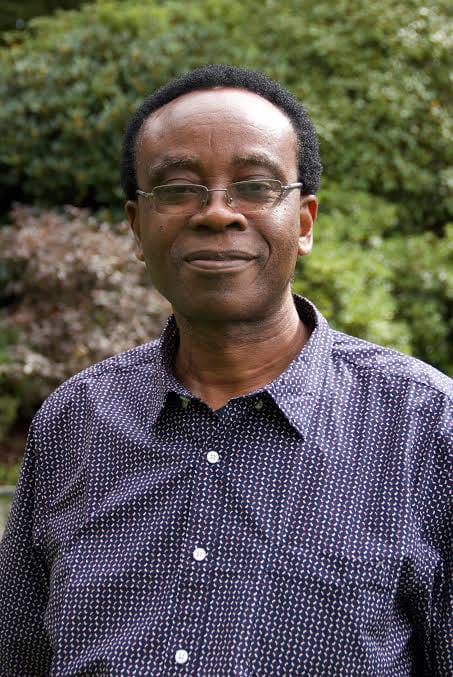
In a statement, HOMEF Executive Director, Dr Nnimmo Bassey, attributed the prevailing climate crisis to an economic system heavily dependent on fossil fuels, arguing that global leaders were concentrating more on managing the consequences of fossil fuel consumption than addressing its root causes.
He expressed concern over the COP31 Presidency’s flagship announcement on Energy Day, known as the “35×35” electrification pledge, which seeks to increase electricity’s share of total energy consumption to 35 per cent by 2035.
According to HOMEF, although the initiative represents a step towards greater electrification, it would achieve little climate benefit if the additional electricity continued to be generated from coal, oil and gas.
The organisation insisted that any meaningful electrification programme must prioritise renewable and community-managed energy sources rather than perpetuate dependence on fossil fuels.
Bassey also questioned the lack of clarity surrounding countries supporting the pledge, describing the absence of a publicly disclosed list of participating nations as an indication of insufficient political commitment.
He further accused fossil fuel-producing countries of obstructing efforts to introduce stronger language and commitments towards ending dependence on oil and gas.
“The first three days in Antalya have felt like watching a slow-motion dance where the music is the siren call of our burning planet, yet the dancers, our leaders, refuse to change their steps,” Bassey said.
He maintained that increasing electricity consumption without addressing its sources would undermine global climate action, insisting that the world could not overcome the climate crisis while continuing to expand fossil fuel extraction and consumption.
The HOMEF executive director urged world leaders to make the conference more than a platform for diplomatic compromises by agreeing to a definitive and binding pathway towards ending fossil fuel production and use.
He said climate justice could not be achieved through voluntary roadmaps that could be ignored by powerful corporate interests, stressing the need for commitments that prioritise vulnerable populations and environmental protection over profit.
The organisation also called for the transformation of the Belém-Antalya Mechanism (BAM) into an effective and enforceable framework capable of translating previously agreed climate principles, rights and historical responsibilities into concrete action.
HOMEF argued that the mechanism should go beyond serving as a platform for exchanging climate information and instead provide the institutional strength needed to ensure implementation and accountability.
On climate finance, the foundation expressed concern over the continued provision of loans to developing countries for climate action, warning that such arrangements could deepen the debt burden of nations that contributed least to global warming.
It called for climate financing to be provided primarily through grants and public funding to support genuine mitigation and adaptation programmes, rather than interest-bearing loans and projects that merely serve private commercial interests.
Looking ahead to the 2028 Global Stocktake, HOMEF warned that the opportunity for meaningful intervention was rapidly narrowing, urging governments to move beyond long-term promises and begin implementing an equitable transition away from coal, oil and gas.
The organisation stressed that COP31 must produce a transparent and enforceable fossil fuel phase-out framework anchored on equity, historical responsibility and the protection of human life and the environment.