By Chesa Chesa
There was a time when the football manager was the club. He was the public face, the chief decision-maker and, in many cases, the long-term custodian of its identity.
Sir Alex Ferguson, who won 13 English Premier League titles, did not merely coach Manchester United, he shaped generations. Arsène Wenger’s influence at Arsenal extended far beyond the touchline. These were men who decided how teams played, whom they signed, and what the future looked like.
That version of football management is now increasingly rare.
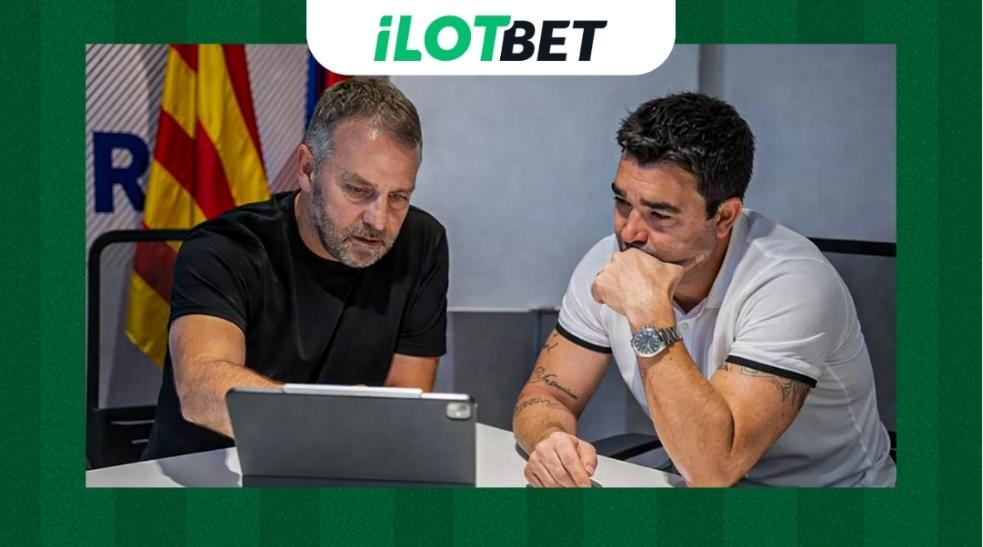
Across Europe and beyond, power is steadily moving away from the dugout and into the boardroom. Sporting directors, directors of football and heads of football operations have become central figures in how clubs are run. What began as a specialist support role has evolved into one of the most influential positions in modern football, prompting an uncomfortable question: have football directors been given too much power?
The shift did not happen overnight. Football has grown into a complex, data-driven and financially regulated industry. Clubs now operate global scouting networks, manage vast analytics departments and navigate strict financial rules. In that environment, the idea of one individual controlling every footballing decision began to feel outdated. Sporting directors were introduced to provide structure, continuity and long-term planning.
In theory, it made sense. In practice, it has changed the role of the manager beyond recognition.
Many modern managers are no longer club architects but highly skilled head coaches. Their remit often begins on the training pitch and ends on matchday. Recruitment, contracts and squad planning are increasingly handled elsewhere. Managers may be consulted, but consultation does not always translate into control. A coach might ask for a physically dominant centre-back and receive a ball-playing defender instead because the latter fits a broader recruitment profile or resale model.
The irony is that while a manager’s influence has narrowed, the pressure on them has not. Results still dictate survival. When performances decline, it is rarely the sporting director who faces the consequences. The manager remains the most expendable figure in the system, even when working with players he did not choose.
This is where the modern structure becomes risky. Not all sporting directors are steeped in football culture. Some arrive from corporate or analytical backgrounds, fluent in data models and financial logic but unfamiliar with dressing-room dynamics. Football, however, is not played on spreadsheets. Human management, tactical nuance and momentum cannot always be quantified, yet decisions are increasingly shaped by numbers rather than nuance.
The danger lies in authority without accountability. When directors with limited football experience dictate recruitment strategy and also hold the power to dismiss managers, the balance can tilt too far. The coach becomes a short-term executor of someone else’s long-term plan, judged harshly for outcomes he only partially controls.
Yet clubs continue down this path because there are undeniable benefits. A strong sporting director can protect a club from chaotic decision-making, prevent wildly contrasting transfer policies following managerial changes, and ensure that youth development aligns with the first-team’s needs. When the relationship works, it creates stability. When it fails, it breeds confusion, mistrust, and underperformance.
Modern football has, in many ways, chosen structure over personality. The era of the all-powerful manager is giving way to a system-led approach where philosophy outlives personnel. Whether this produces smarter clubs or merely strips managers of their authority is a debate that will define the next generation of the game.
What is certain is that power in football has moved upstairs. The manager is no longer the club’s compass, but one component in a carefully designed machine. Adaptation is no longer optional. In this new order, those who cannot work within the system rarely last long enough to challenge it.
Enjoy smarter football insights and predictions? Register with iLOTBET and explore competitive odds, bonuses, and a chance to win an iPhone 17.