By Cyriacus Nnaji
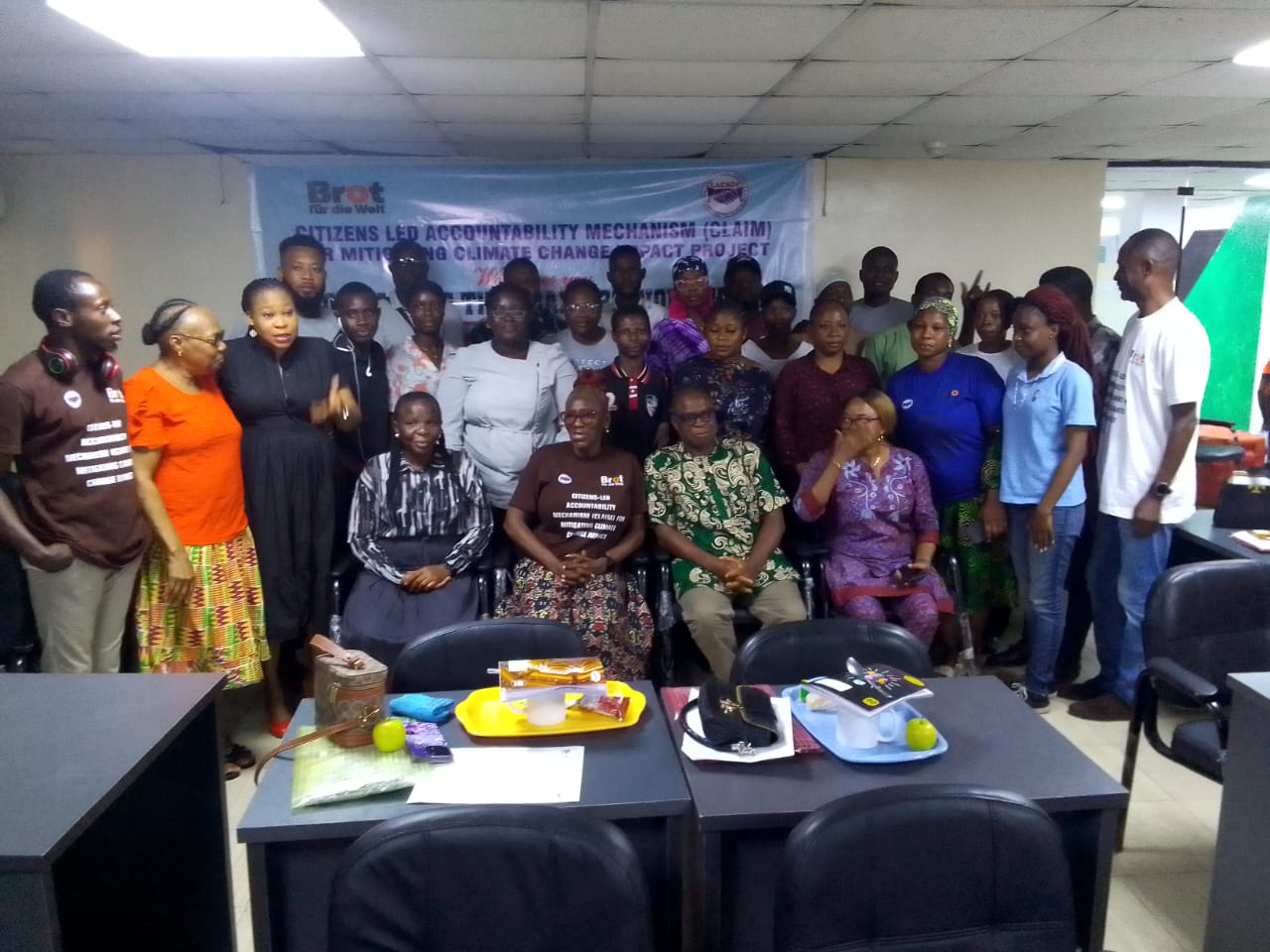
In furtherance of their mantra of waste to wealth, a vehicle for climate change resilience, the Lagos State Civil Society Participation (LACSOP) for Development, a forum for the advancement of the people of Lagos State, in partnership with Bread for the World, a Christian NGO that advocates policies to end hunger in the world, on Wednesday, 4th February, 2026, gathered youths from Apapa and Lagos Island Local Councils, under the umbrella of Citizens Led Accountability Mechanism (CLAIM) for Mitigating Climate Change Impact Project; the purpose of which was to train them on how to train others on climate change resilience mechanisms.
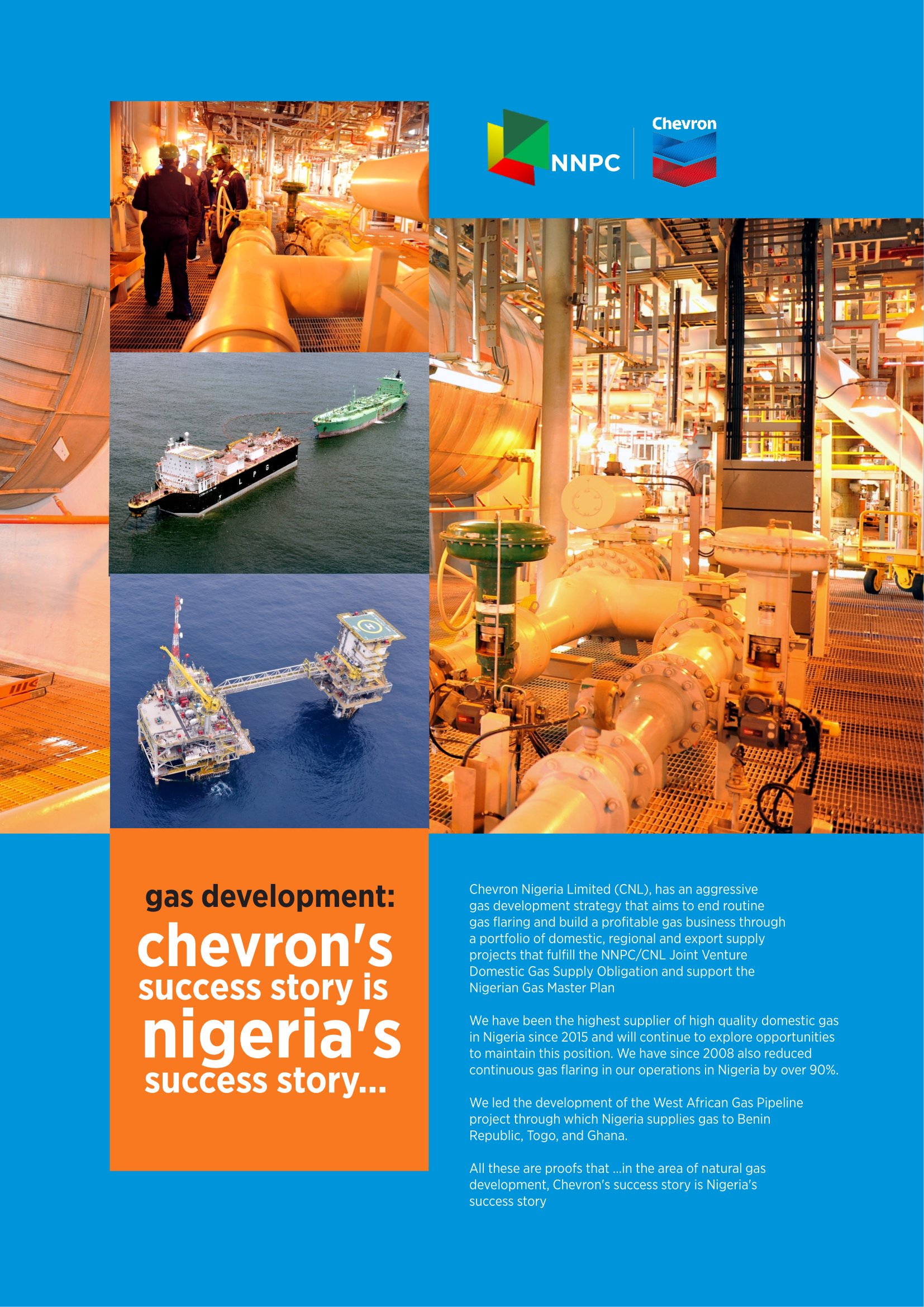
Climate change being caused by lifestyle practices, including burning which deplete the ozone layer.
The training of Trainers Workshop which took place at the Lagos Chamber of Commerce & Industry (LCCI) Ikeja, Lagos, was designed to equip the youths to understand approach mechanism for the dissemination of information to the designated local communities. They were also equipped with the knowledge so that when they speak they speak with conviction.
The purpose also was to be able to change the behavioral pattern of the people for purposes of climate change adaptation and mitigation
They were trained to respect people’s culture, speak the language of the people, not to be abusive, break their information down for the purpose of easier and faster understanding; they were trained not to abuse authority, not to misinform the people, and to lead by example. The youths were trained to see themselves as teachers, mentors, and change agents.
Generally, the youths were also given the tools as a community trainer, including use of local examples, body language, and storytelling as illustration methodologies.
Speaking at the training event, Omolara Olusaiye Project Manager, Citizens Led Accountability Mechanism for Mitigating Climate Change Project, spoke on the intention of the event, training the trainer, “The intention of our training the trainer, like our project objective says, is to create awareness and understanding of climate change issues including the link between plastic waste and flooding. The target audience by the way are young people between the ages of 18 to 35.
“This year we have young people who have identified with our project, we are training them so that when they go to the two communities, they should be able to replicate such information and create awareness among young people, among different clusters working in NGO space, from the academia, the various institutions in those communities. So we have various groups that have been mapped, and as volunteers they would take the message to the communities to create awareness about how people can best manage waste in their communities. It is also designed so that they can steer up the conversation, that is part of the objective also, to start engaging in policy dialogue. We know the Lagos State Government has done a lot, there is the banning of single use plastic, if you go around the state you see a lot of information like do not defecate here, even about plastic, but then, you see that enforcement is still very weak, you still see in our space, our environment, people still throw away waste indiscriminately, so this is an opportunity for young people to take advantage of the conversation to take the conversation to the local government leve,” she said.
She also spoke about transforming waste to wealth, “Part of the information is on the indiscriminate disposal of waste, and of course, part of what people throw away as waste are things they can actually make money from, today some schools now collect plastics for tuition. In Apapa there is a private recycling firm, we have women, people who go about picking this waste for wealth generation, even things like cartons, if they have information on how to better handle it, I think it will go a long way. We also want to use social media to create this awareness in our local language, do not do this, if you do this, look at the likely consequences.”
Olusaiye who disclosed that the group has intention of scaling up to other communities after the pilot project, advised Lagosians to dispose their waste properly for cleaner healthier environment. “Our message to the people is that they should better manage their waste, people should stop throwing wastes indiscriminately especially plastic waste, because in the end they find their way to the ocean, they find their way to the lagoon, and around us we can see blocked drainages, we have communities that when it rains everywhere is flooded, there is no channel for the water to flow, we want more people to volunteer, we want people to take it more part time, in our household, in our communities, in our offices, when we are driving, you don’t just take water and throw the can outside, you can keep it when you get home you dispose it.”
Mr Iyke Kimemenihia, a Consultant and one of the Resource persons, urged the public to see waste not as dirt but as wealth. “Let me start with the fact that our environment is fully flooded, we have issues of flooding, pollution, diseases ravaging our land, so we now look at informing people by asking the people what is waste, how do they treat waste, do they see waste as dirt or something they can discard, something inconveniencing them? So the question is how can we use this waste to create wealth? That is the task before us. We want to tell them not to treat waste as dirt, but to treat them as wealth; one, you are making money; two, you are also cleaning up your environment.”
Kimemenihia who itemized wastes to include used clothes, cartons, metals, plastics, tyres, said having equipped the trainers they are expected to go into the local communities to educate the people. “From here we are going to the communities and we are expected to tell them, don’t treat these things as wastes, these things are useful in the economy.
“We are telling them, gather these things, sort them, then we are linking them to the market, sell it and make your money. When they go to the communities they should sensitize the communities, and tell them, look, you don’t need to throw away your waste, these and these are the things you need to do to make money from the waste, so that we have a cleaner Lagos, we make money, and then live as healthy people. So we talk about health, sustainability, we talk about cleanliness and we still talk about income or wealth,” he said.
For Olusola Adeoye, a Resource person from Naturecares Resource Centre, an Environmental NGO providing knowledge about the environment with focus on Climate Change, there are two ways to fight climate change, which include adaptation and mitigation. He said “Climate change is here with us, and one of the things we must do in response to climate change is to be resilient, that is what keeps us going, our ability to continue to do what we are doing, and do it well. So resilience is the ability to, after the impact of the so-called climate change you are able to bounce back and continue to do your daily work, and we say the only way of doing that is either that you adapt or you mitigate.
“By adaptation we mean physical things that you do to adapt to those changes you have noticed, while mitigation means the changes you have seen, reduce some contributions to make that change possible. For instance instead of cutting down the tree, you stop cutting that tree, instead of using kerosene stove, you drop it and you are using gas, those are the mitigating kind of steps you are taking to make sure you don’t contribute more negatively to the atmosphere.”
On what the government is doing to fight climate change he said, “Lagos State has done quite a lot in terms of mitigation. In fact, if there is any state in Nigeria which has done so much as far as mitigation is concerned, it is Lagos State. In fact what Lagos has done I don’t think at federal level, it has been done. So first and foremost, in terms of policy, because you need genuine policy document, guide, for you to do everything you needed to do. Lagos has produced numerous and not only to produce those documents, take for example, Lagos State Adaptation Plan and Mitigation Strategy, we have documents responding to all these changes, and then Lagos has equally a lot in ensuring behavioural change. Also the introduction of BRT, for example, is a way of mitigating and there are buses now that run on gas instead of petrol. Government continues to making sure that the people change their behaviour in terms of cutting down the mangrove, what Lagos has is the mangrove, mangrove provides a lot of opportunities, there is a lot of sensitisation to keep the green area. It has wet land protected Area, you don’t encroach on those areas. There are free parks, a lot of roundabouts in Lagos, there are no state in Nigeria that plant tree in urban areas than Lagos.
“These trees help to absorb the urban heat. Today in Lagos you cannot dig borehole the way you like or cut down trees within the urban area the way you like. So Lagos in terms of policy, they have done much, in terms of strategy, they have done much and in terms of leading, they have also done well, ” Adeoye stated.